Archive
All twenty-six pieces, filed by the place they are about
Five sections, twenty-six pieces. Every entry carries the photograph the piece itself uses.
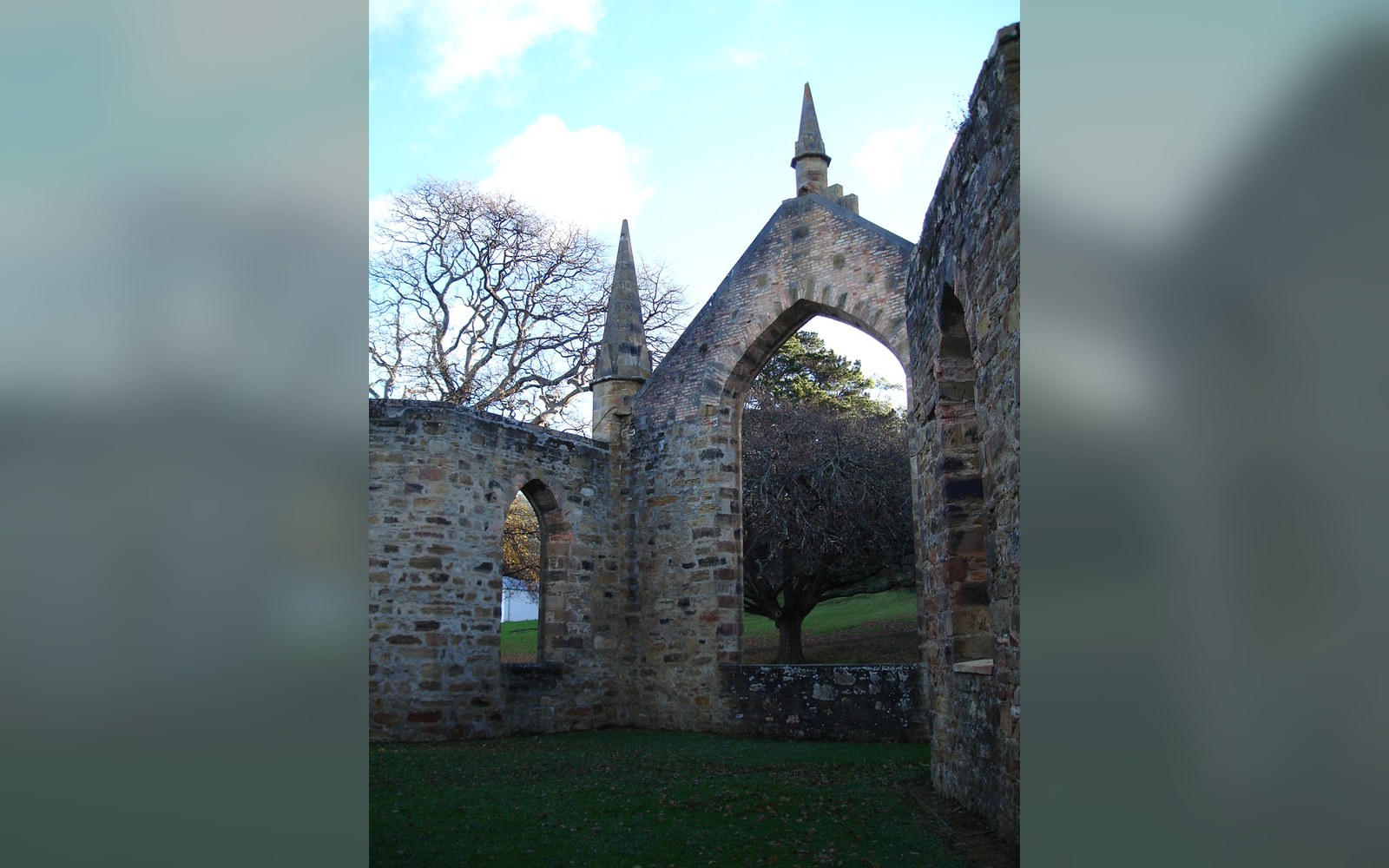
Peninsula
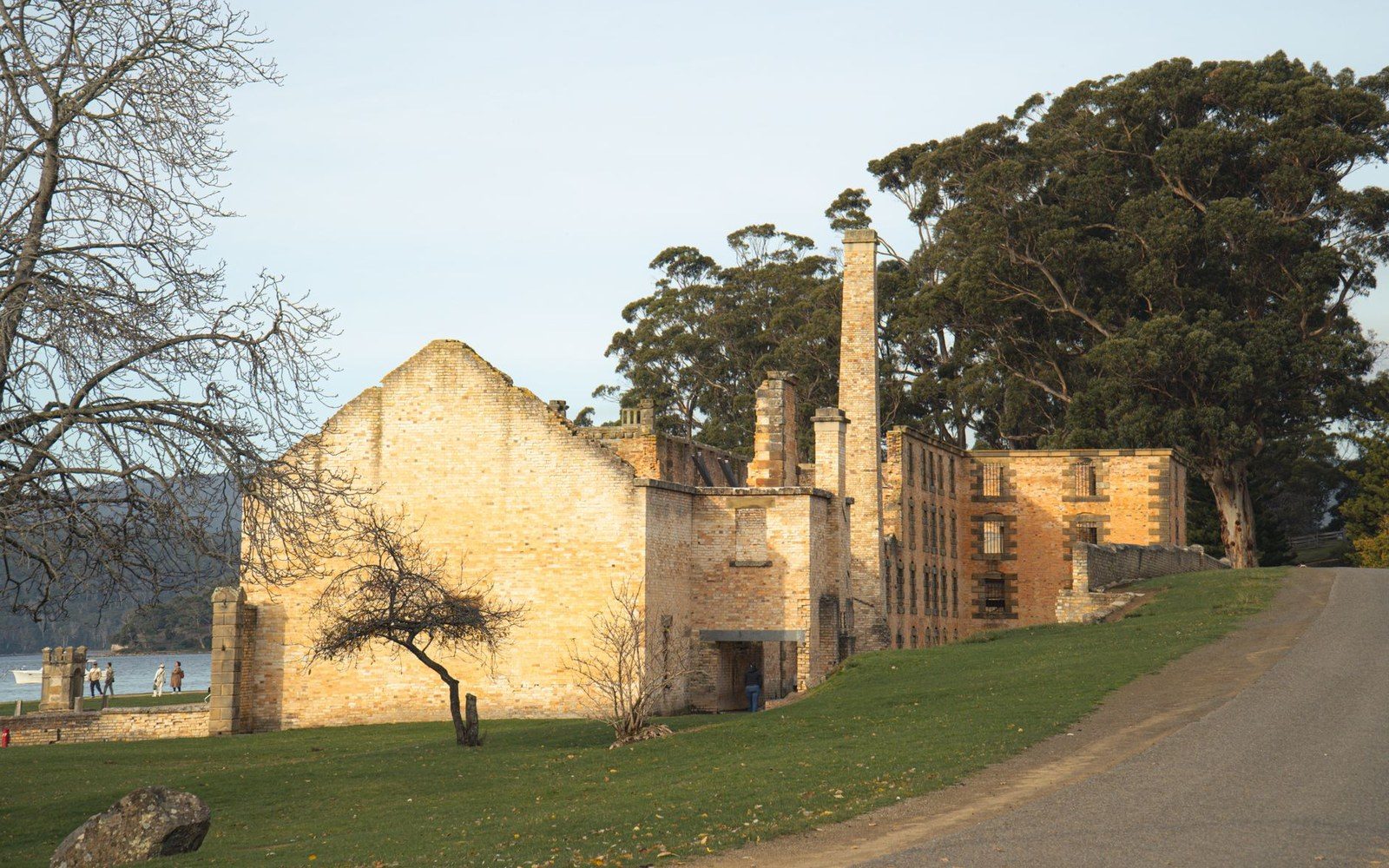
Port Arthur and the Tasman Peninsula — the oldest continuous ghost tour in the country, the ruin the state maintains, and the documented convict history behind the nightly lantern walk.
- A Lantern, a Ruin, and a Product the Site Has Sold Since the 1980s
Traces the Port Arthur ghost tour from its origins in the 1980s as one of the site's first commercial after-dark offerings to its current position as among the Historic Site's best-selling products, drawing on Port Arthur Historic Site Management Authority published figures.
- The 1846 Separate Prison and What the Convict Record Actually Shows
Documents the construction and operation of Port Arthur's Separate Prison from 1846, drawing on the convict transportation and assignment records held by the Tasmanian Archive and Heritage Office.
- After Closing Time and the Reporting Behind the Night Walk
Uses Port Arthur Historic Site Management Authority published annual visitor figures to show how the after-dark programme fits within the site's total attendance and revenue picture.
- What Dark Tourism Looks Like When an Island Has One Port Arthur
Maps the Tasmanian dark-tourism operator landscape beyond Port Arthur itself — smaller convict-history sites, the Port Arthur region's accommodation trade, and how studied dark-tourism categories apply to a heritage estate that is simultaneously a World Heritage Site and a ticketed night attraction.
Headland
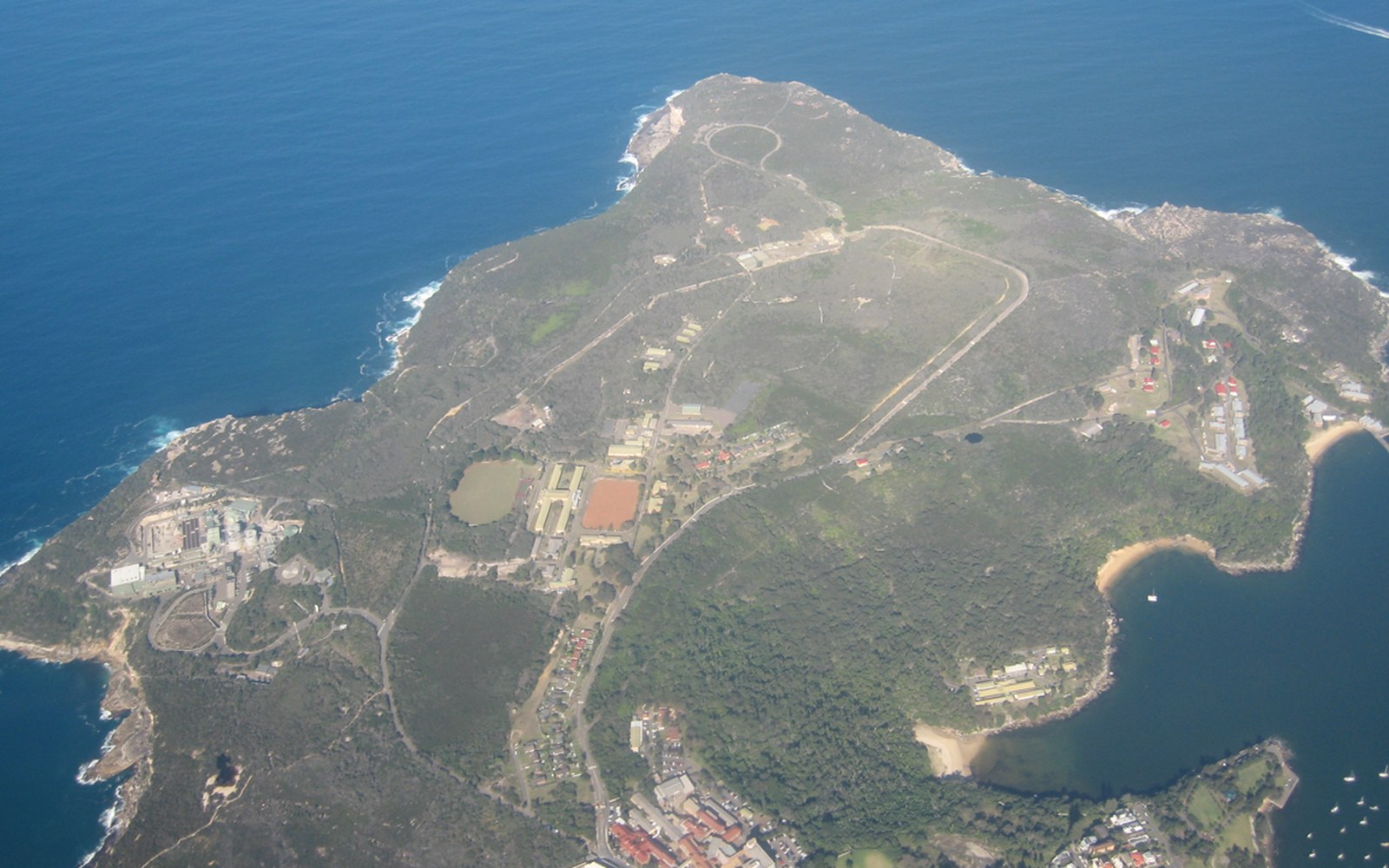
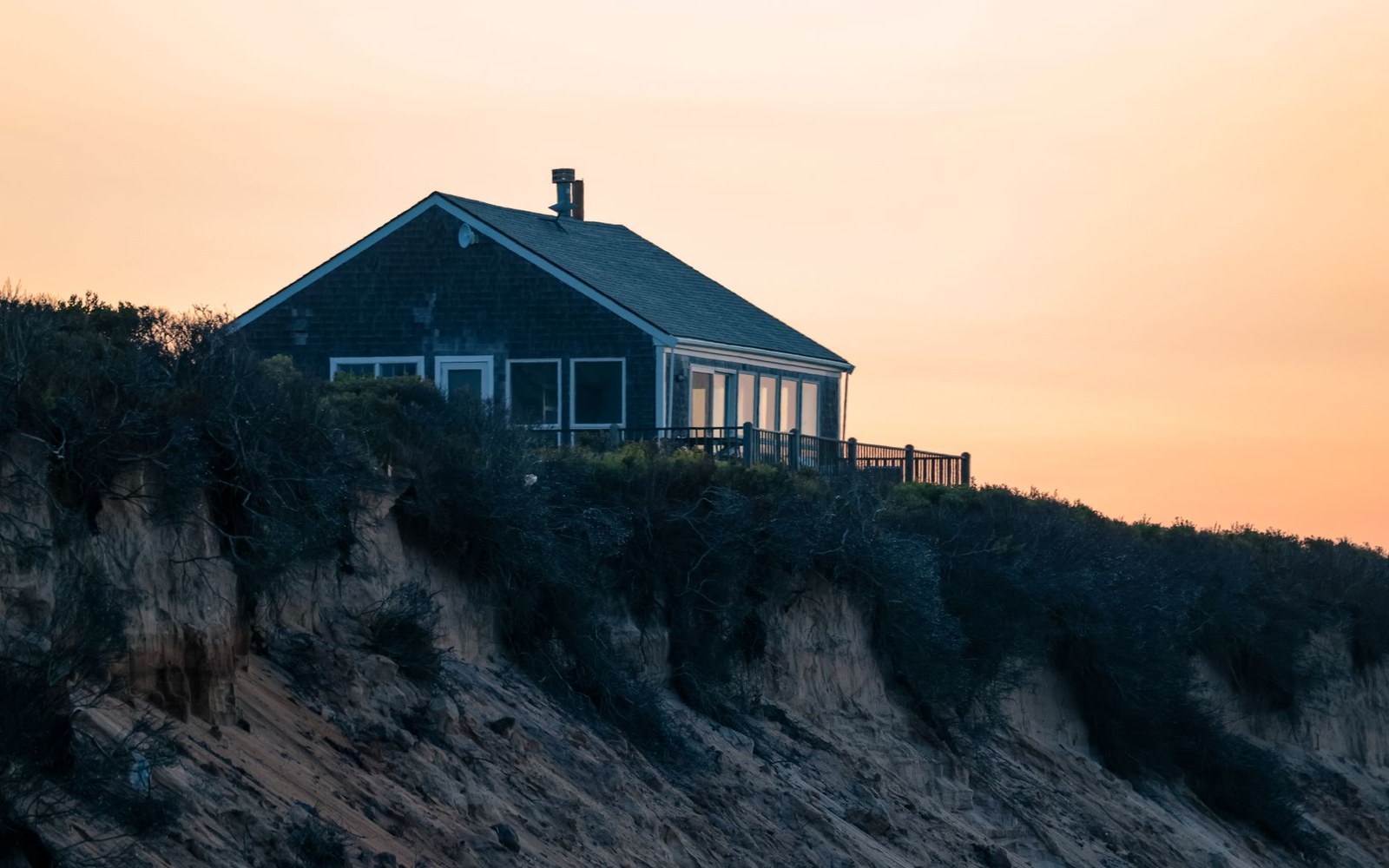
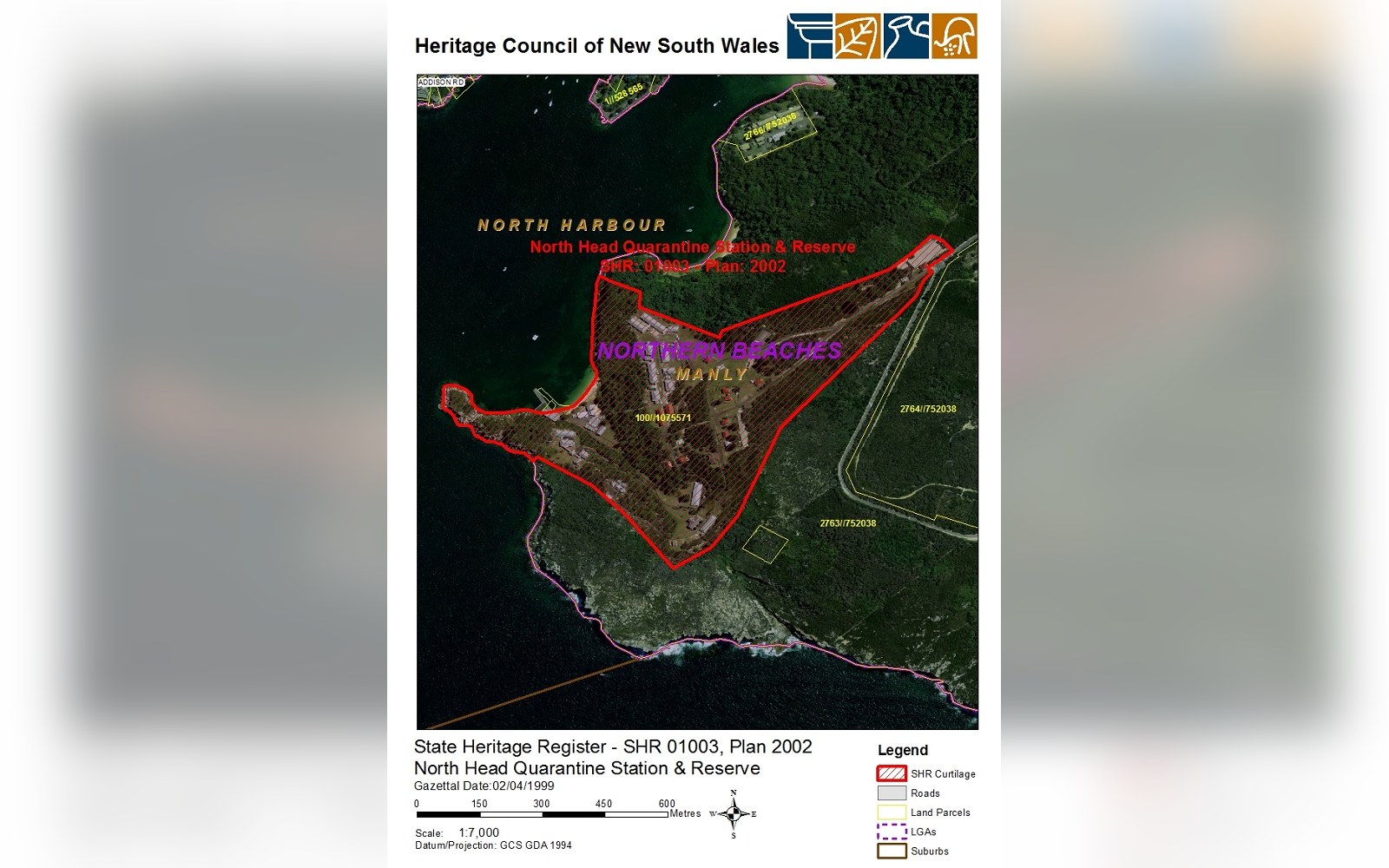
Q Station at North Head — fourteen hectares of quarantine history, a cemetery on the headland, and an after-dark programme that runs alongside heritage accommodation.
- Fourteen Hectares of Quarantine Station, and the Cemetery the Tours Walk Past
Documents the North Head Quarantine Station's operational history from its establishment through to its National Park conversion, drawing on the New South Wales State Archives quarantine registers and the cemetery's documented interments.
- A Tour That Leaves After Dark and Beds That Come With the Story
Examines the Q Station after-dark programme as a commercial product — ticketing structure, accommodation upsell, and how the site markets its heritage to overnight guests differently from day visitors.
- The North Head Cemetery and the Gap Between the Register and the Story
Examines the documented interment record at the North Head Quarantine Station cemetery — who is recorded, what years the register covers, and how the tour's characterisation of the site compares with what the archival record contains.
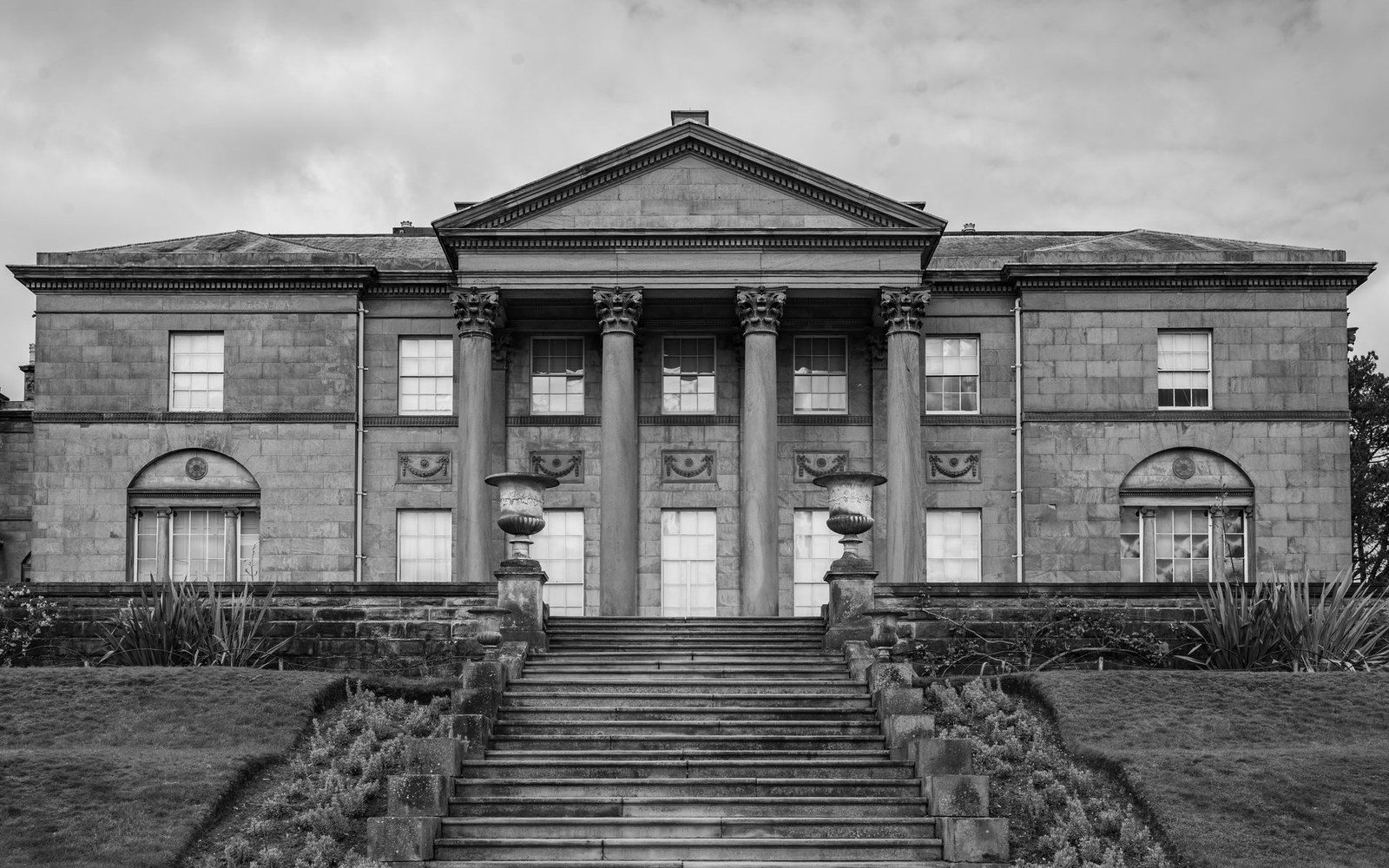
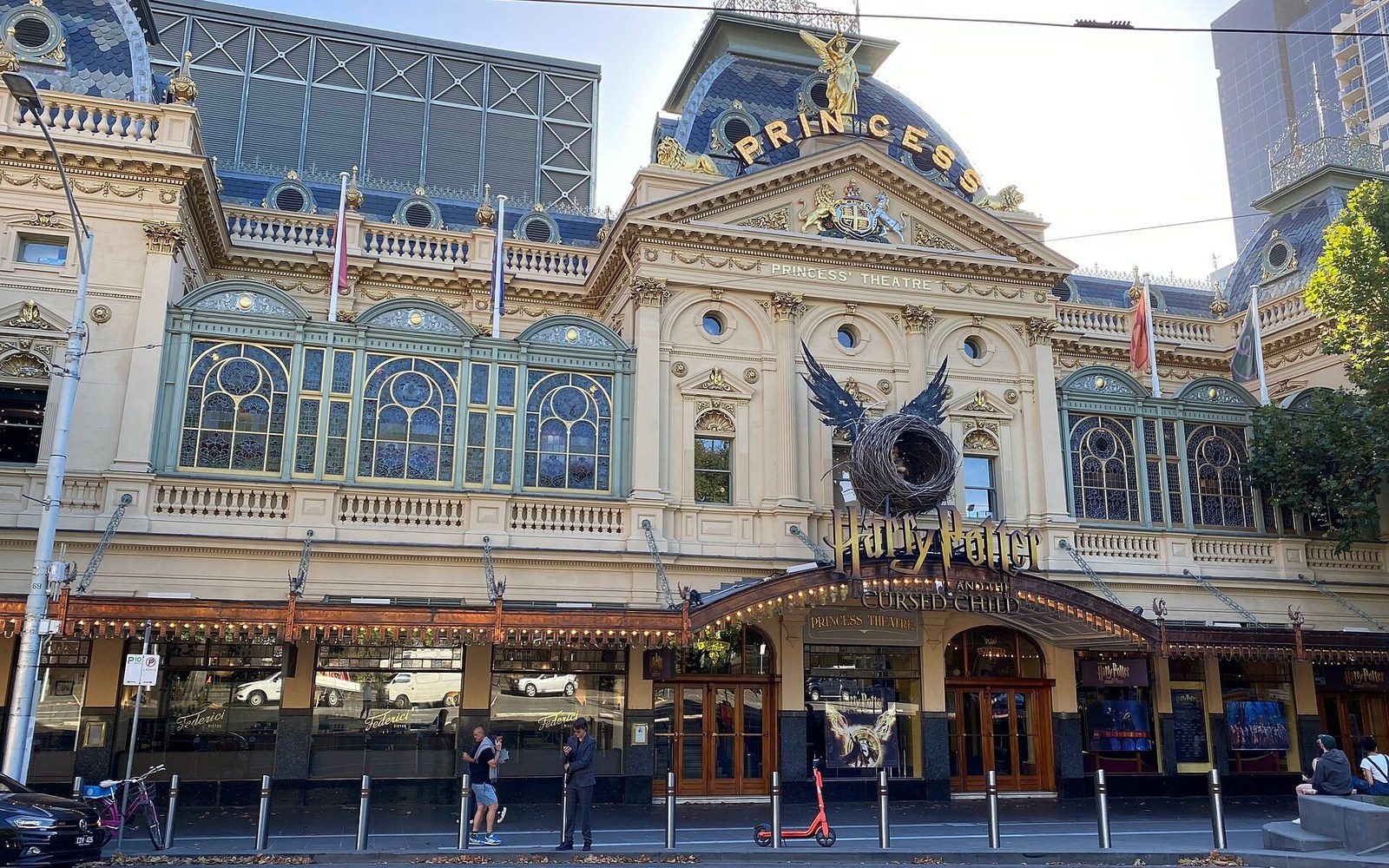
- A Theatre Built in 1886, and the Story That Has Persisted in Its Programme Notes
Covers the documented history of the Princess Theatre in Melbourne and the persistent story of Federici — the baritone who died on stage in 1888 — tracing how that story has been repeated in the theatre's own publicity across the decades.
The Gaols
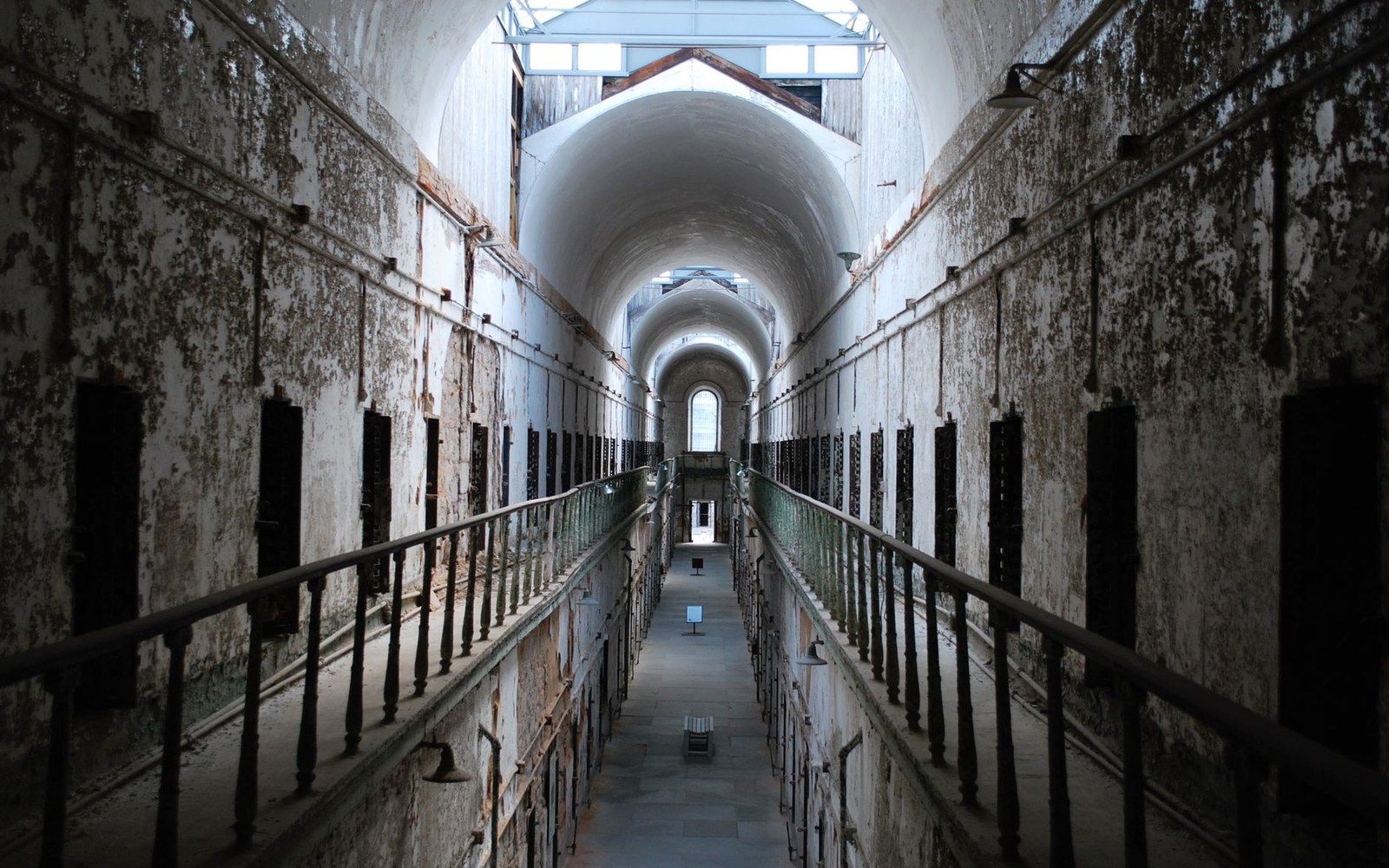
Old Melbourne Gaol, Boggo Road, the Geelong Gaol, and Fremantle's Roundhouse — what the National Trust sells after six o'clock, who runs the volunteer rosters, and how demolition was avoided.
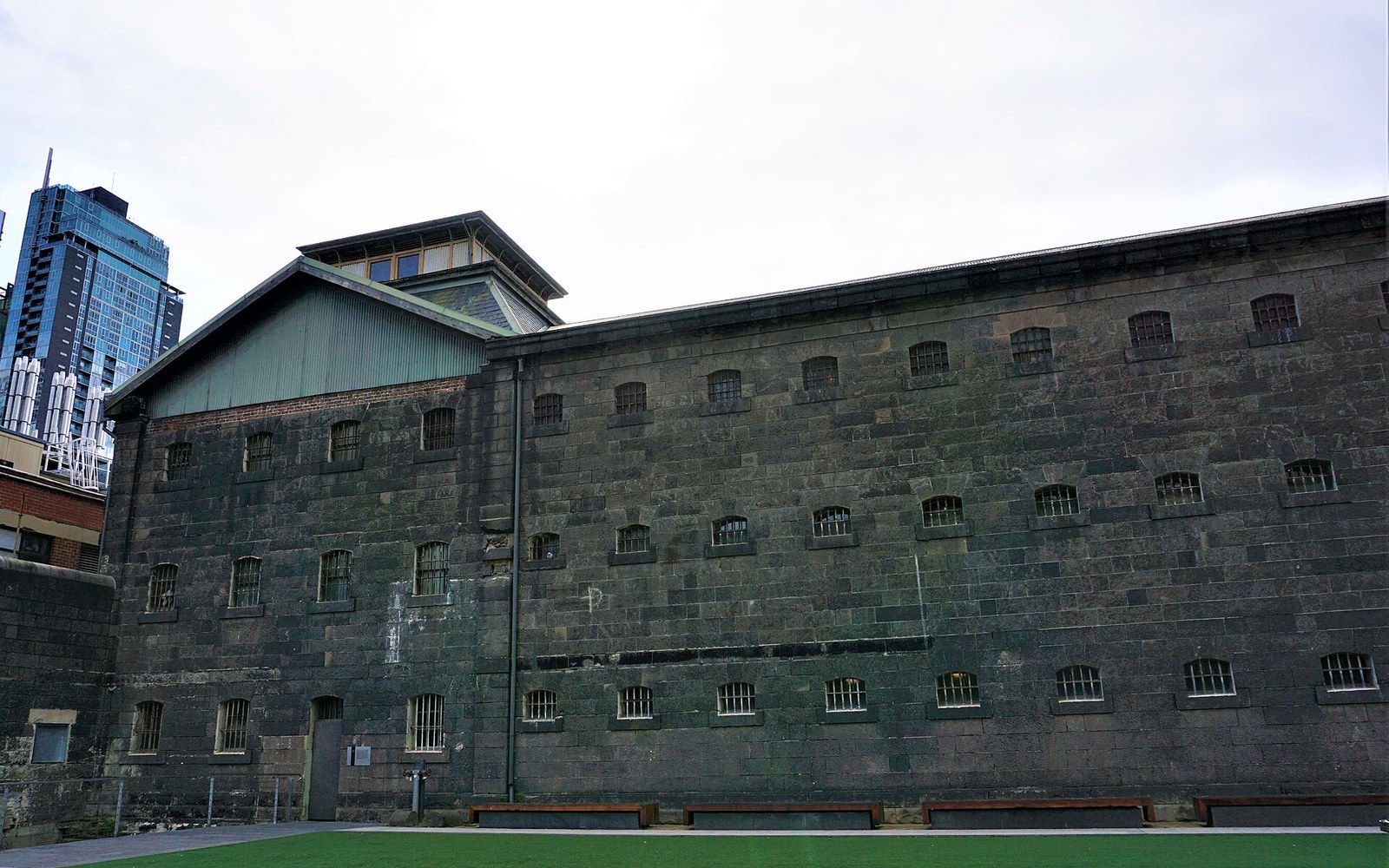
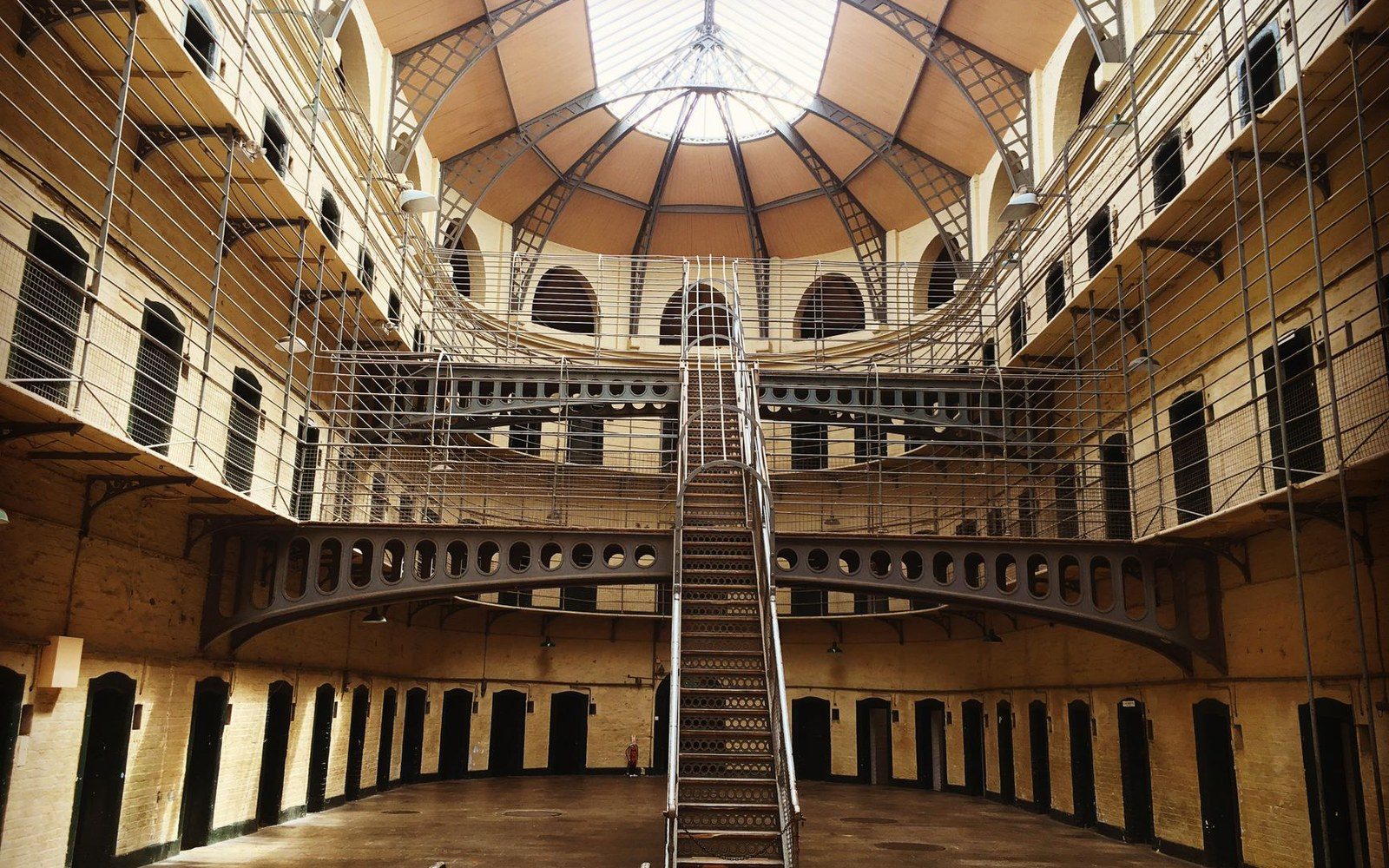
- What the National Trust Sells at Russell Street After Six O'Clock
Describes Old Melbourne Gaol's after-dark programme — the National Trust of Australia (Victoria)'s night tour and its historical content about the gaol's operational period — drawing on National Trust published documentation and the gaol's own interpretation materials.
- Boggo Road Survived Demolition Because the Tours Kept Selling
Traces the preservation history of Boggo Road Gaol in Brisbane — the demolition proposals of the 1990s, the advocacy campaign that retained Division 2, and how a commercially viable after-dark programme became part of the case for its retention.
- The Geelong Gaol Is Run by Volunteers, and the Roster Is the Constraint
Examines the Geelong Gaol ghost tour as a volunteer-operated heritage product — how the National Trust of Australia (Victoria) structures the programme, what the volunteer staffing model means for tour frequency and capacity, and how that differs from the professionally staffed operations at Old Melbourne Gaol and Port Arthur.
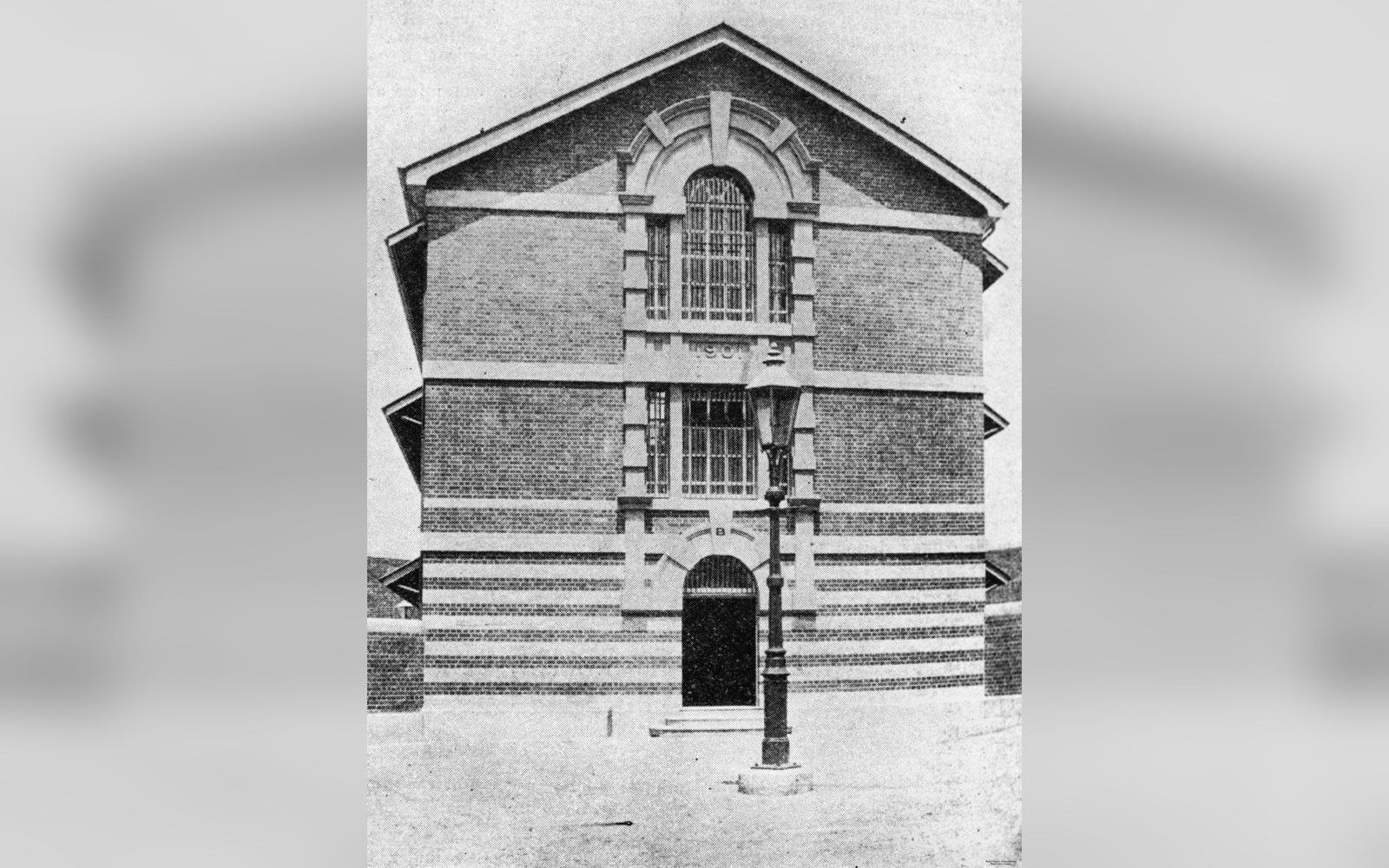
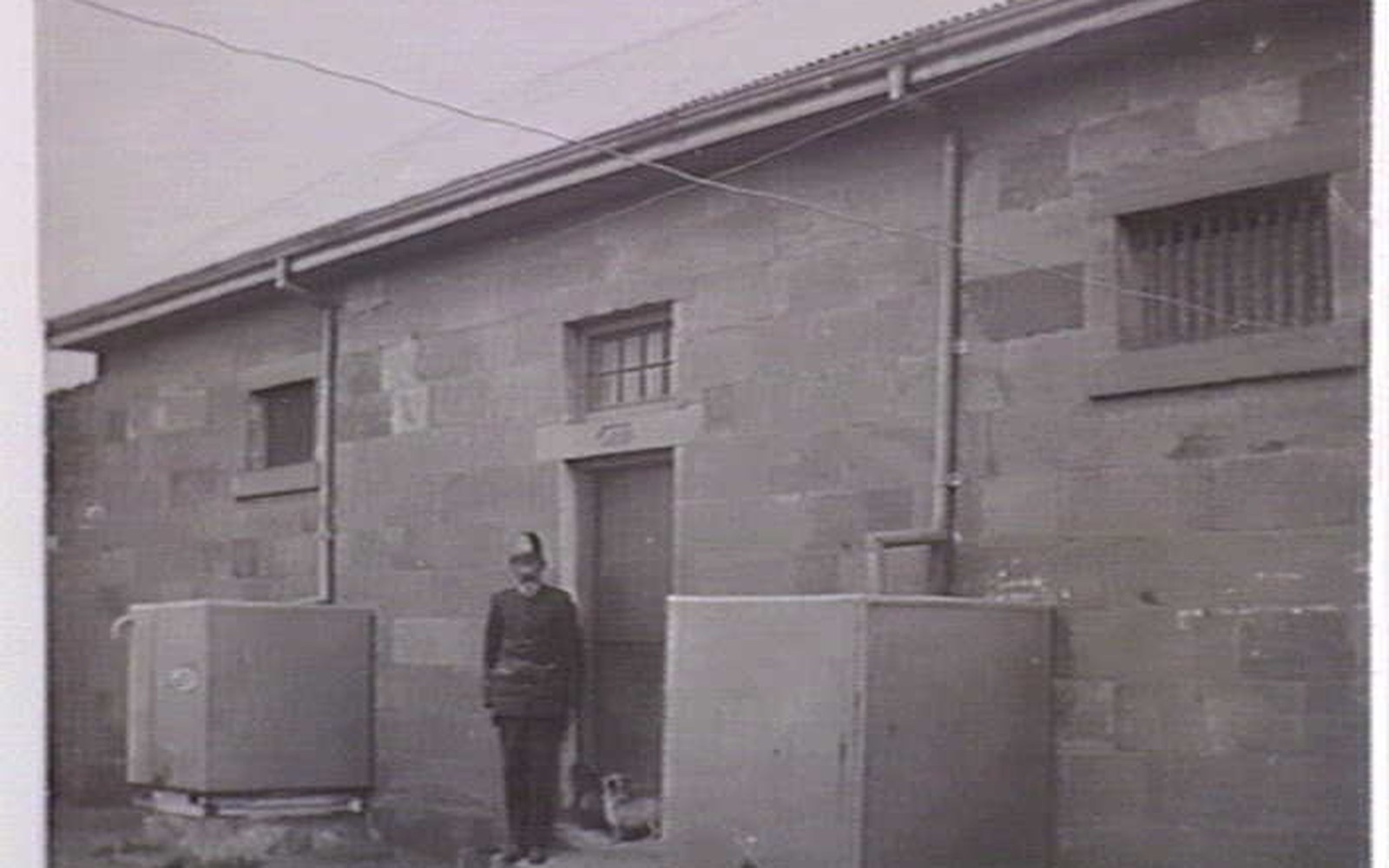
- Western Australia's Oldest Public Building, and Eight Cells
Documents the Fremantle Roundhouse — constructed in 1831, Western Australia's oldest surviving public building — its operational history as a gaol, its transfer to the Fremantle Prison site's shadow, and how its heritage interpretation differs from the more commercially developed Fremantle Arts Centre programme nearby.
- A Retail Arcade from 1885 That Trades Twice Over
Covers the Adelaide Arcade's documented history — built 1885, still trading as a retail arcade — and the after-dark tour programme layered onto its commercial operation, examining how a working retail space functions simultaneously as a heritage night-tour site and what the arcade's own published history records about events cited on the tour.
- Night Permits, Public Liability and the Bureaucracy Behind the After-Dark Ticket
An industry-facing examination of the access and insurance requirements that govern night-tour operations at heritage-listed gaols in Australia — site-access agreements, public liability structures, and how National Trust and state heritage body partnerships are typically documented.
Inland
Monte Cristo Homestead at Junee, Picton's Mushroom Tunnel, Aradale at Ararat — the inland sites and the gap between their documented histories and the stories the tours sell.
- The Junee Homestead and the Documented History Underneath the Reputation
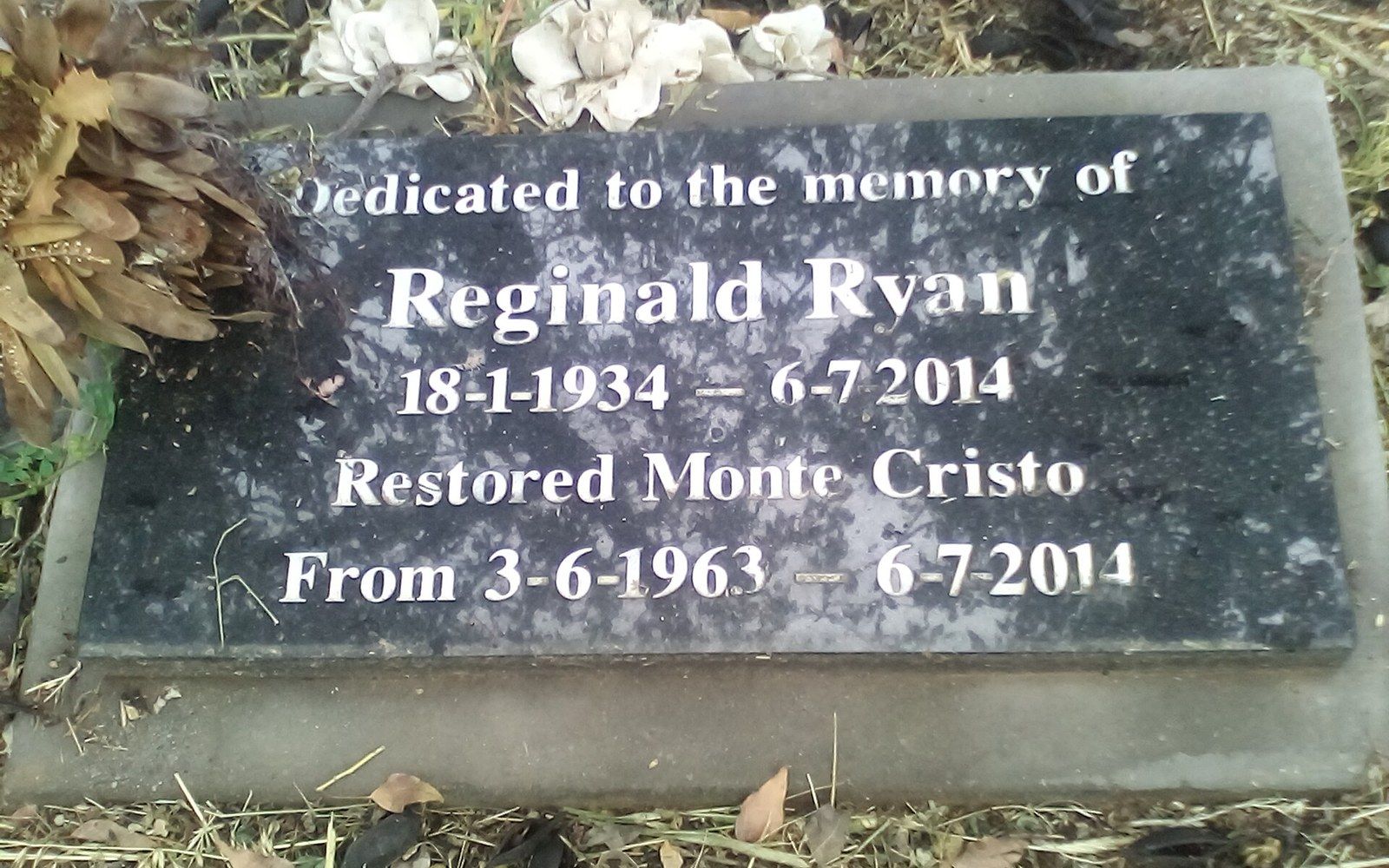
Examines Monte Cristo Homestead at Junee — its construction history, the Crawley family ownership period, and the documented events on the property that the site's own published history records — before tracing how the homestead became one of Australia's most-cited ghost-tour destinations, attributing each claim to its stated source.
- An Abandoned Railway Tunnel and a Churchyard, Both Open After Dark
Documents the Picton Mushroom Tunnel (former Redbank Range railway tunnel) and the nearby St Mark's Anglican Church and cemetery — their documented construction and operational histories — and the after-dark tour products now operating at both sites, noting where tour claims are attributed to a specific source and where they are not.
- Aradale Opened in 1867 and Operated for Over a Century Before the Tours Arrived
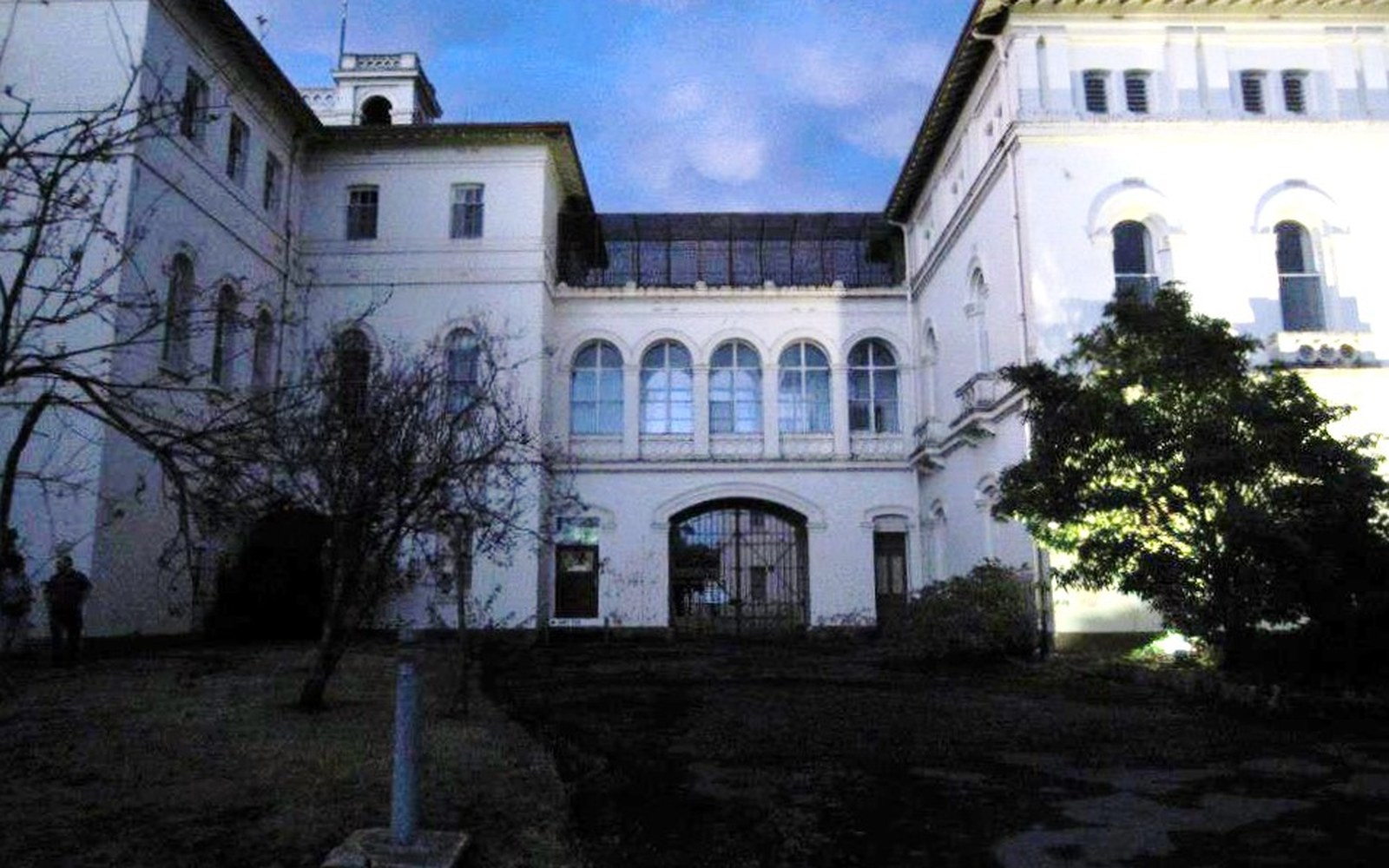
Covers the documented history of the Aradale Mental Health facility at Ararat — its 1867 opening, its patient records as held by Public Record Office Victoria, and its operational closure — before examining the ghost-tour operation now running through the site's buildings, with all tour claims attributed to the operator's own stated sources.
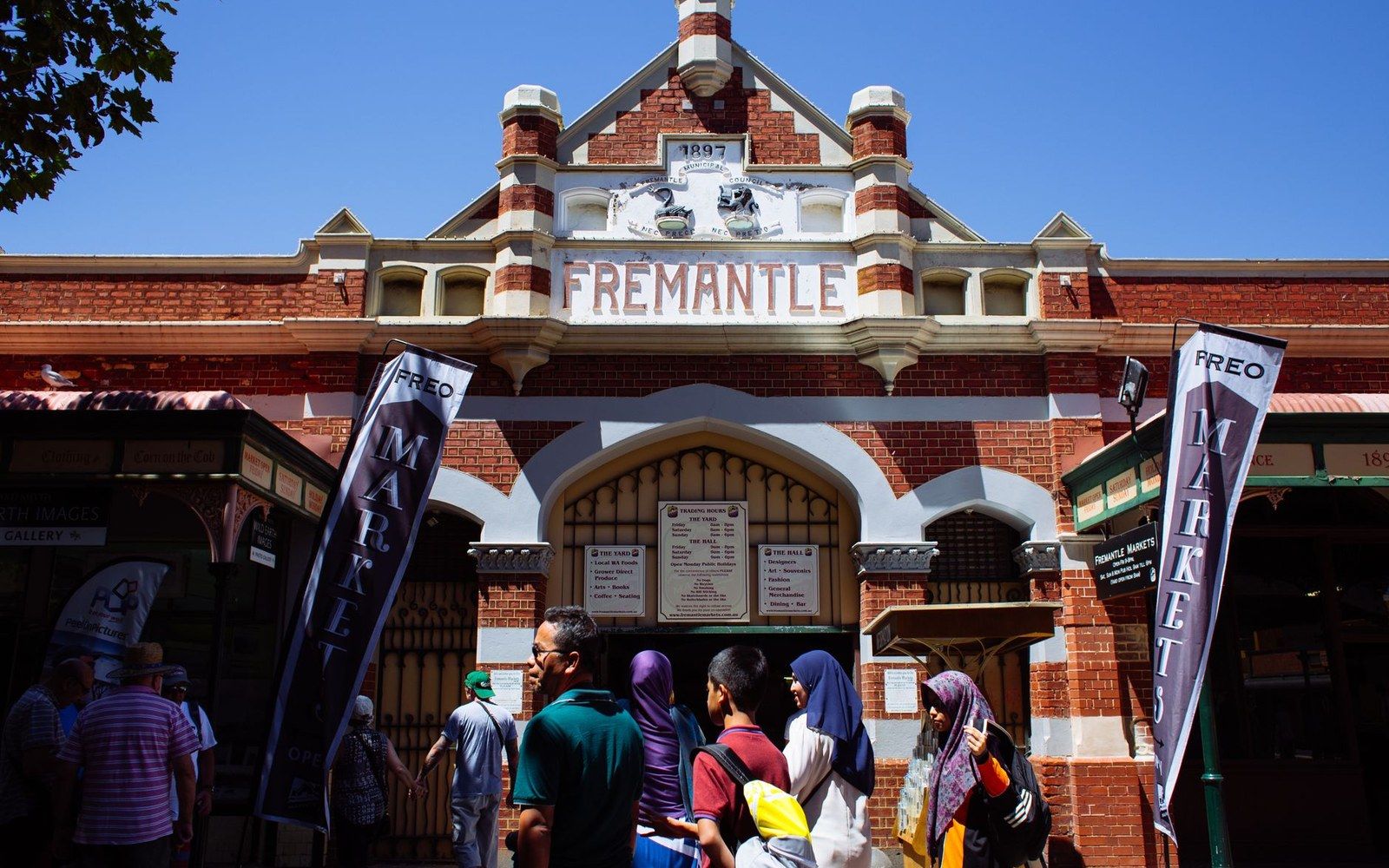
- The Fremantle Asylum That Came With the Story Already Attached
Documents the Fremantle Arts Centre complex — originally constructed as the Fremantle Lunatic Asylum from 1861 — its documented institutional history and subsequent conversion to arts use, and the after-dark heritage programme the Centre has operated, distinguishing between what the state heritage records hold and what the tour's narrative adds.
- The Hotel Room Beside the Gaol and the Premium on Sleeping There
Examines the accommodation trade that has grown around Australia's major ghost-tour sites — Q Station's on-site lodging, Monte Cristo's overnight stays, Boggo Road's proximity to Brisbane hospitality — drawing on published dark-tourism scholarship (particularly the work of John Lennon and Malcolm Foley, who coined the term in 1996) to frame what drives the premium.
The Prize
The Australian Skeptics' $100,000 challenge — offered since 1980, never claimed — alongside the television formats, the Ofcom finding, the published science of suggestion, and the consumer equipment the hobby runs on.
- One Hundred Thousand Dollars, Offered Since 1980, Still Waiting
Documents the Australian Skeptics Inc.
- The Bent Spoon Has Been Awarded Every Year Since 1982
Covers the Australian Skeptics' Bent Spoon Award — established 1982, awarded annually to 'the perpetrator of the most preposterous piece of paranormal or pseudo-scientific piffle' — listing notable recipients and the reasoning published by Australian Skeptics Inc.
- The James Randi Educational Foundation Closed Its Challenge in 2015
Documents the James Randi Educational Foundation's Million Dollar Challenge — its operational history, the formal testing process it ran, and its closure in 2015 — drawing on JREF published documentation and Randi's own stated reasoning.
- Haunting: Australia Ran One Season on Syfy in 2014 and Left a Format Question Behind It
Examines the 2014 Syfy Australia production Haunting: Australia — its format, the sites it filmed at (several of which are covered elsewhere on this site), its production company and broadcast history — and places it within the broader Ghost Hunters format-licensing economy that has produced localised versions across multiple territories since 2004.
- Most Haunted and the 2005 Ofcom Finding That Changed Its On-Screen Claims
Documents the UK series Most Haunted's 2005 Ofcom adjudication — the specific complaint, Ofcom's finding that the programme had misled viewers about the factual basis of its content, and the on-screen disclaimer Living TV subsequently added.
- Vic Tandy's 19Hz Paper and What It Actually Claimed
Examines Vic Tandy and Tony Lawrence's 1998 paper 'Ghosts in the Machine' published in the Journal of the Society for Psychical Research, which proposed that 19Hz standing waves (infrasound) could produce physiological effects including visual disturbances and unease.
- The EMF Meter as a Consumer Product: What the Specification Sheet Says
Examines electromagnetic field meters as sold to the ghost-hunting hobby market — their actual specifications, what they measure (ambient electromagnetic fields from wiring, appliances and geological sources), and how their marketed purpose in a ghost-tour context compares with their engineering specification.