What the National Trust Sells at Russell Street After Six O'Clock
Old Melbourne Gaol has run after-dark programmes long enough to have outlasted most of its competitors — but the National Trust of Australia (Victoria) is careful, in ways the format does not always reward.
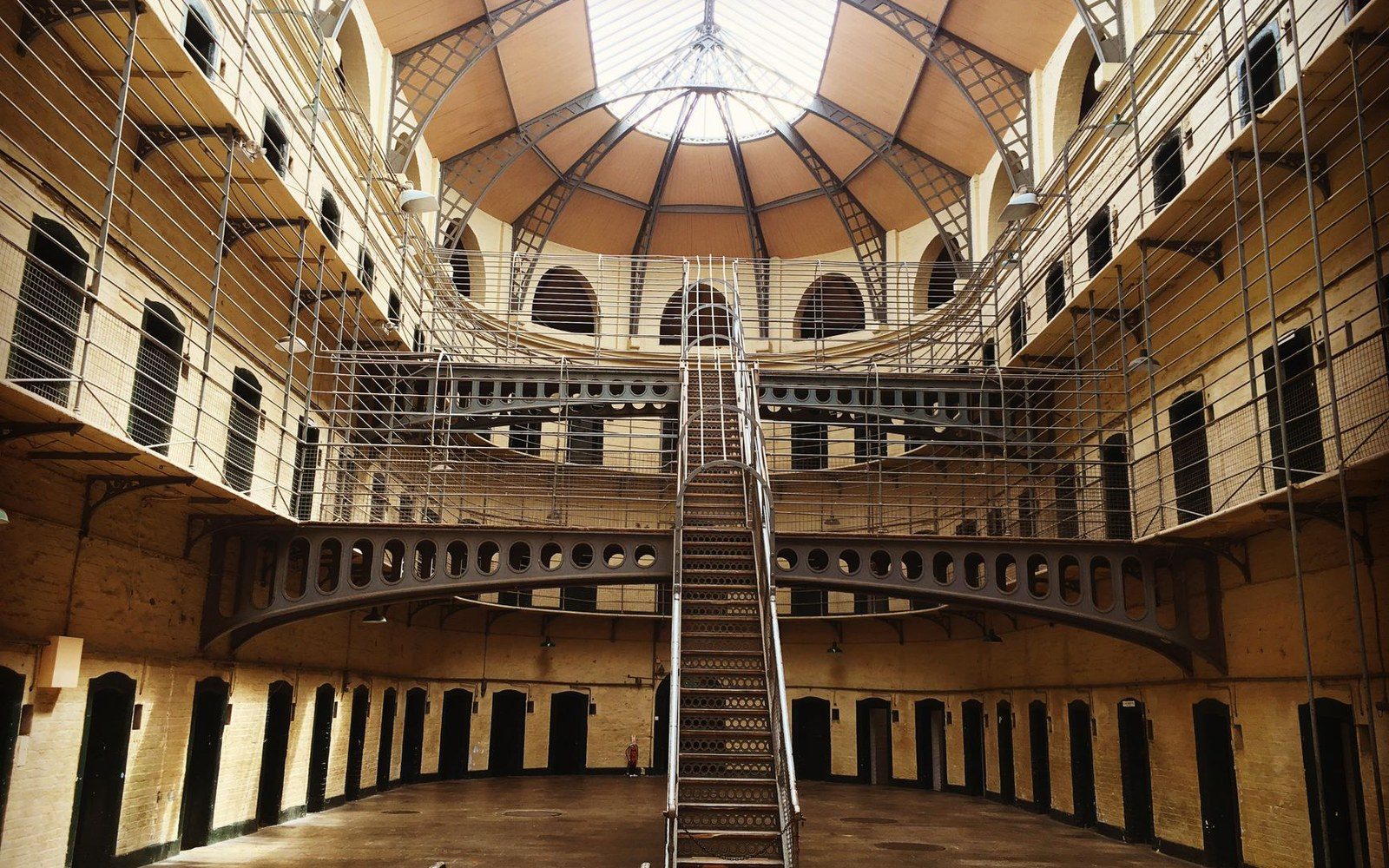
The Building the Programme Inhabits
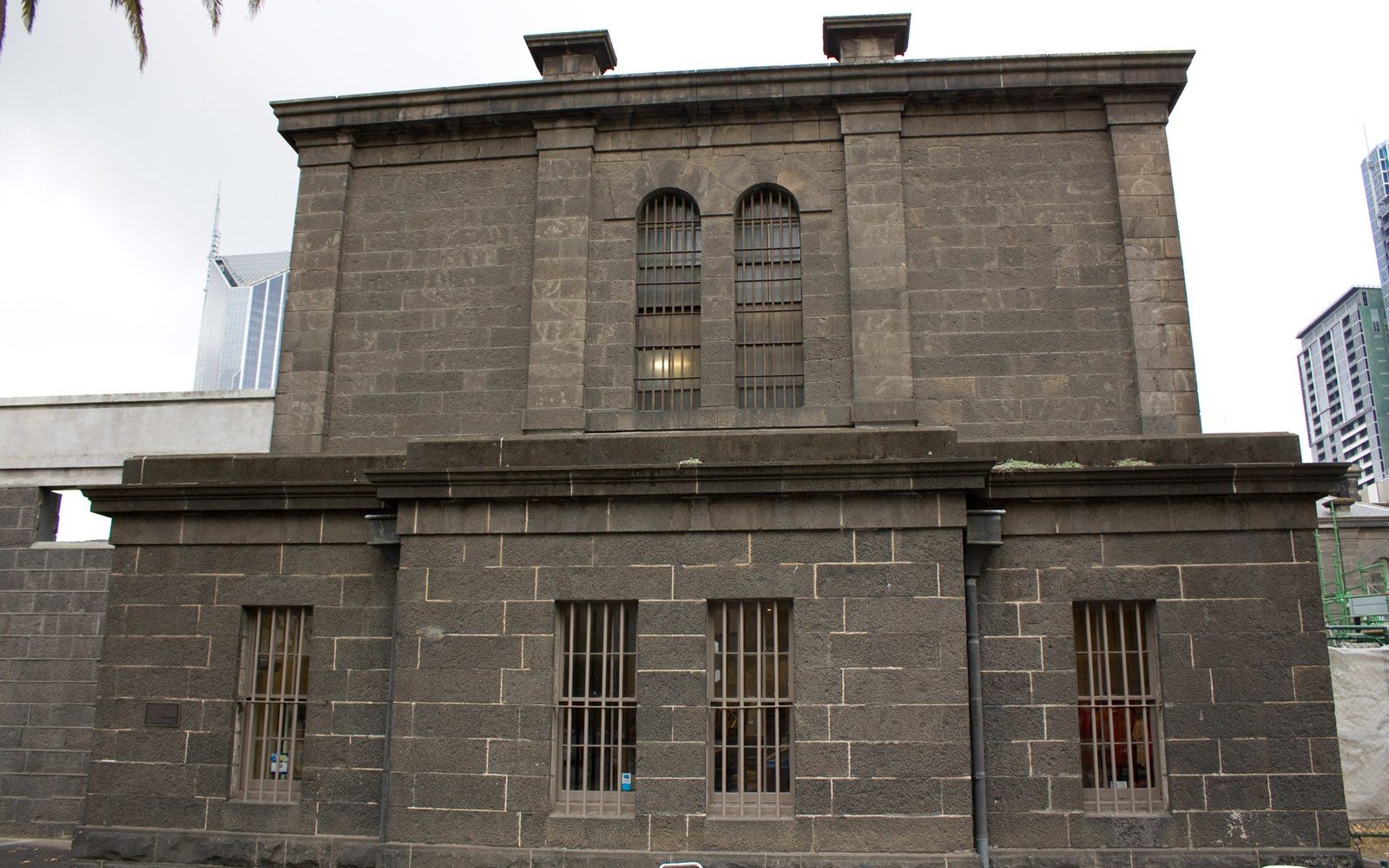
Old Melbourne Gaol on Russell Street in the CBD is one of the National Trust of Australia (Victoria)'s flagship managed properties, and its documented history requires no embellishment. Construction began in 1841 and the bluestone building ↗ was progressively expanded across the middle decades of the nineteenth century. It functioned as Melbourne's principal place of incarceration and execution until its closure in 1924. Over that operational period, 133 people were hanged within its walls — a figure the National Trust cites in its published interpretation materials and one that is verifiable against the gaol's own administrative records, held at the Public Record Office Victoria. Ned Kelly was executed here on 11 November 1880, a date fixed in Australian public memory with unusual firmness. His death mask is in the collection and is displayed in the building. These are the load-bearing facts around which the after-dark programming is constructed.
The gaol passed through various uses after 1929, including service as a military prison during the Second World War, before the National Trust took on its management and opened it as a heritage site. The after-dark format — marketed as the "Night Tour" — has been a staple of the property's commercial offer for decades, running on selected evenings and drawing visitors who are often as interested in the ghost-tour framing as in the penal history itself. The revenue the night programme generates contributes directly to the Trust's capacity to maintain the building.
What the Tour Adds to the Record
The documented executions are the factual spine of the night tour, and guides draw on them extensively. The mode of presentation, however, borrows freely from the conventions of the lantern-tour format: atmospheric lighting, narration calibrated to unease, and pauses in the cell blocks that are structured to reward the suggestion effect — the psychological phenomenon, documented in research by Richard Wiseman and Chris French, whereby participants in a primed environment report experiences consistent with prior expectation. The National Trust does not, in its published materials, make formal claims that the gaol is haunted. What the night programme sells is an atmosphere in which visitors are encouraged to draw their own conclusions, a positioning that keeps the product commercially viable without committing the Trust to assertions it could not substantiate.
The specific ghost narratives associated with Russell Street — the woman in black variously attributed to different cells, the reported apparition on the staircase — circulate primarily through visitor accounts and tour-guide narration rather than through any official interpretation document. This matters as a distinction. The gap between the Trust's published record and the stories that travel out of the night tour reflects a structural tension common to heritage organisations that have adopted after-dark programming as a revenue stream: the institution benefits from the atmosphere without formally endorsing its content. The Australian Skeptics Inc. ↗ have noted this pattern in the broader ghost-tour industry, and their standing $100,000 challenge for demonstrated paranormal phenomena remains unclaimed.
Where the night tour is on firmest ground is in the cell-by-cell history it can draw on: named prisoners, dates of confinement, documented offences, recorded outcomes. The gaol's administrative record is substantive enough that a well-constructed programme need not reach beyond it. On the evidence of the published tour descriptions, the National Trust mostly keeps to that discipline, using named historical figures and documented events as the primary content, while the format — the hour, the light, the sound design — does the atmospheric work.
The Kelly mythology is the obvious commercial anchor, and the programme does not shy from it. The execution account, the death mask, the documented last days — these are presented with the specificity the record allows. It is when the tour moves to less documented figures that narration grows more speculative, filling gaps in the archive with the kind of period atmosphere that is genuinely difficult to distinguish from invention. That is the structural problem the night format poses for any heritage organisation serious about its public function: history is the draw, but the product being sold is something else.
More in The Gaols