Aradale Opened in 1867 and Operated for Over a Century Before the Tours Arrived
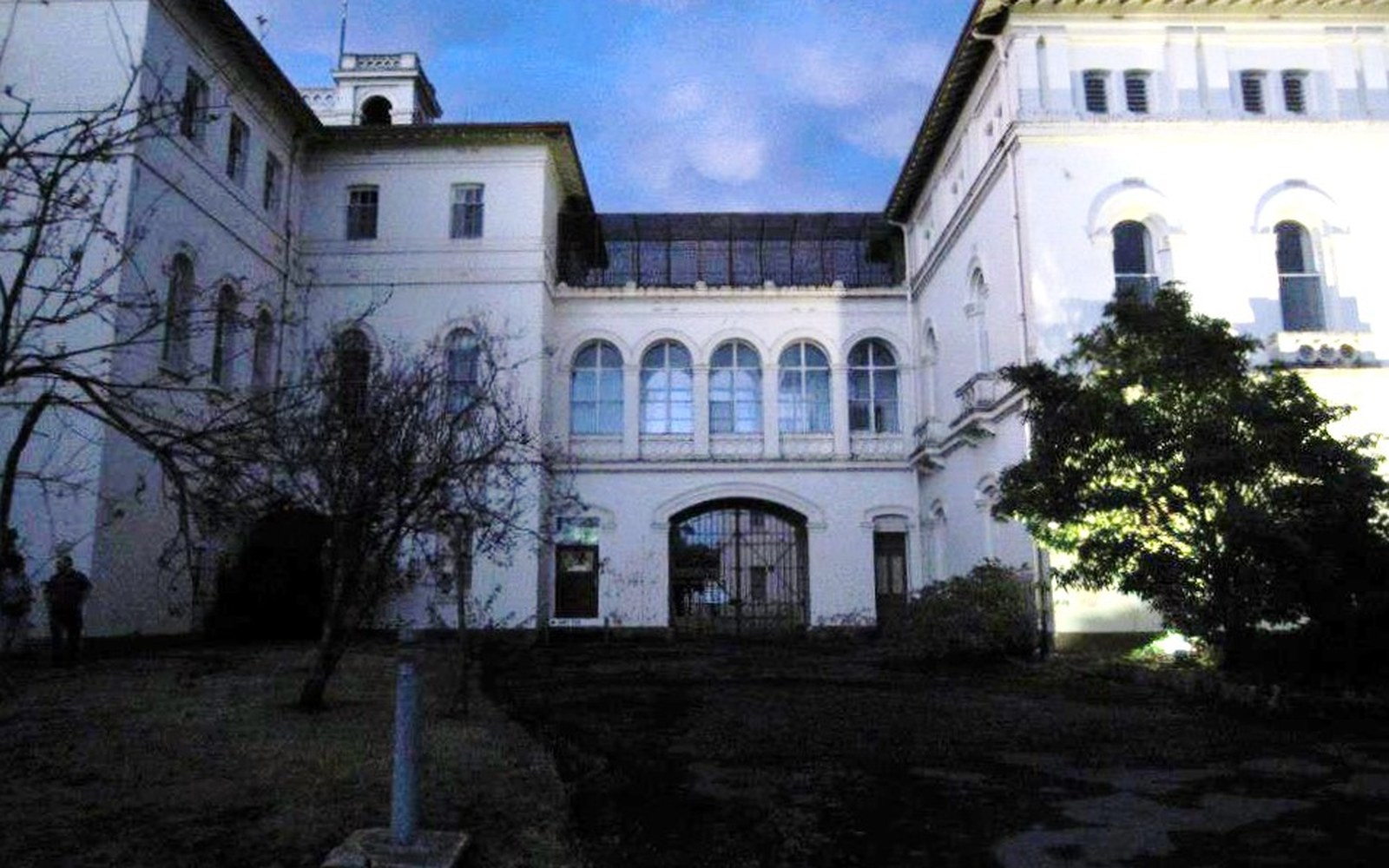
A self-contained goldfields town in the Grampians foothills housed Victoria's largest psychiatric institution — and now sells after-dark access to the buildings where, by tour accounts, around thirteen thousand patients died.*
A Functioning Colony Built Around Its Own Misfortune
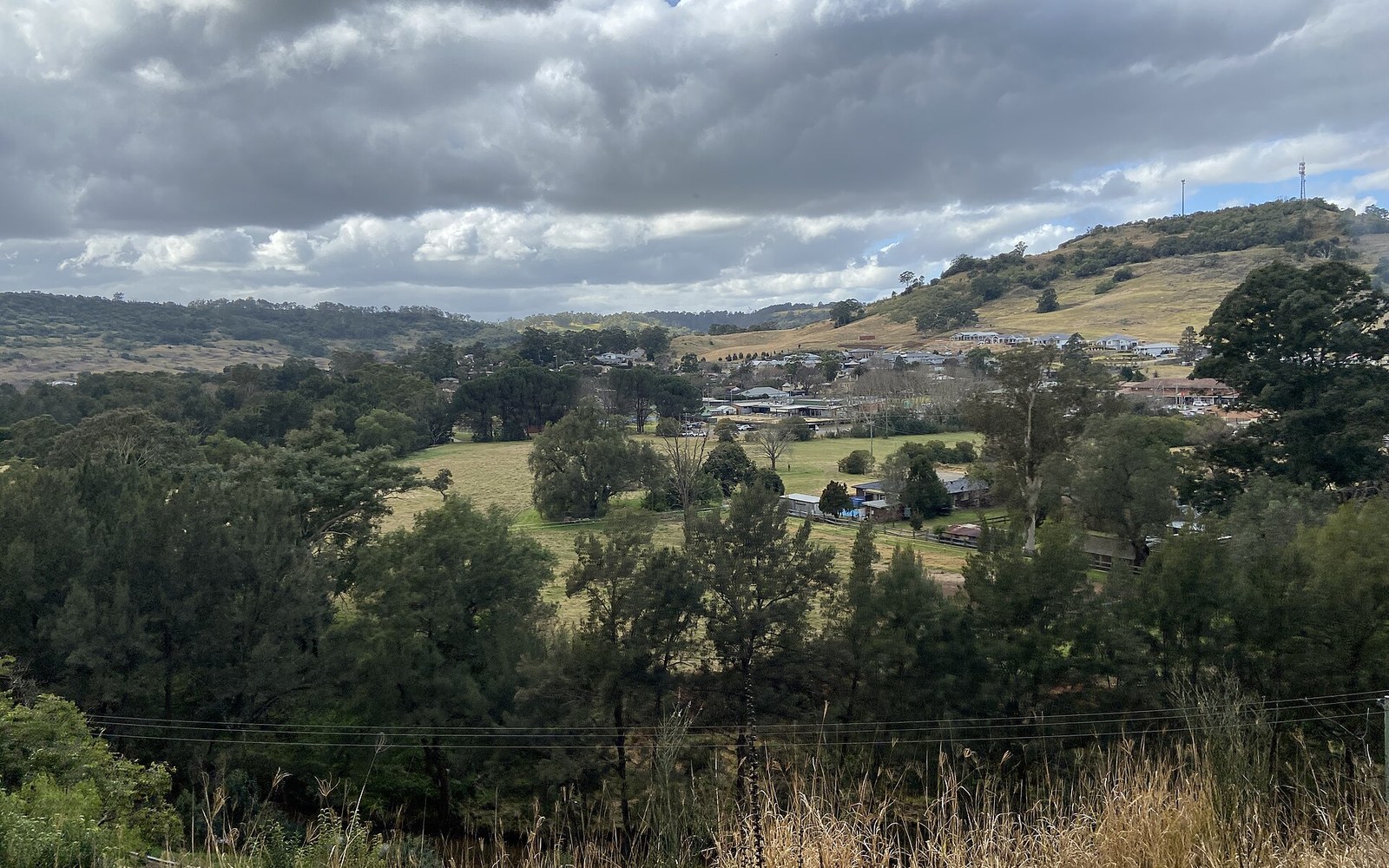
Aradale Mental Health Facility sits on the western edge of Ararat, a town in Victoria's central highlands that owes its existence to a short-lived 1857 gold rush. The institution opened in 1867 on a design by Public Works Department architect Frederick Kawerau, incorporating a model based on the Kirkbride Plan — the radial corridor layout developed in the United States on the principle that architecture itself could support recovery. By the standards of its era, Aradale was substantial: a self-sufficient complex of wards, farm buildings, laundries and a bakery spread across more than a hundred acres. At its peak it held several thousand patients and employed a resident workforce large enough to sustain a functioning internal economy.
The institution operated continuously for over a century. It was formally known at various points as the Ararat Lunatic Asylum, then the Ararat Hospital for the Insane, then Aradale Hospital, its name shifting in step with changing medical and administrative vocabularies. Patient records from the long operational period are held by Public Record Office Victoria ↗, which holds admission registers, case books and discharge records for Victoria's former psychiatric hospitals. These registers document the full institutional arc: admissions, transfers, deaths on-site, and discharges into family or community care. Aradale closed as a functioning hospital in 1993 after deinstitutionalisation policies, common across Australian states from the 1970s onward, shifted psychiatric care away from large residential facilities.
The death toll cited in tour literature — figures around thirteen thousand over the institution's life — draws from the documented interment record and archival admissions data, though the precise count remains a matter of archival interpretation rather than a settled published figure. The number is large regardless of the exact reckoning; Aradale operated as a closed community for 126 years, and its on-site cemetery reflects that span.
What the After-Dark Product Is, and Where Its Claims Come From
Ghost tours through Aradale are now run by a private operator and constitute one of the better-established after-dark heritage products in regional Victoria. The National Trust of Australia (Victoria) ↗ lists Aradale on its register of significant heritage places, and the complex's built fabric — the main administration block, ward buildings and the J Ward facility adjacent to the site — draws independent heritage visitors separate from the ghost-tour economy. J Ward, which held patients who were also classified as criminal lunatics, is managed separately and offers daytime interpretation alongside the after-dark programme.
Tour commentary attributes reported activity to specific wards, named patients and the morgue building. The operator credits its stories to oral history collected from former nursing staff and to the building's documented psychiatric history, rather than to any claimed paranormal investigation. That framing is standard in the Australian ghost-tour industry — operators typically position the narrative as rooted in documented tragedy rather than asserting that anomalies have been measured or verified. The ghost-hunting overlay — the invitation for paying participants to carry consumer EMF meters and conduct their own observations — is a separate product tier, available on designated investigation nights distinct from the standard lantern tour format.
The psychological literature on suggestion effects is directly applicable to the Aradale context. Research by Richard Wiseman and Chris French has documented how a primed environment — one introduced through a narrative of suffering and death — reliably increases the rate at which participants report anomalous experiences, independent of any objective stimulus. A former psychiatric institution with a documented death toll of thousands and a deliberately atmospheric presentation is as primed an environment as the research literature describes. That is not a debunking observation; it is simply the explanatory context in which visitor reports at Aradale, and at comparable sites, sit.
More in Inland