A Tour That Leaves After Dark and Beds That Come With the Story
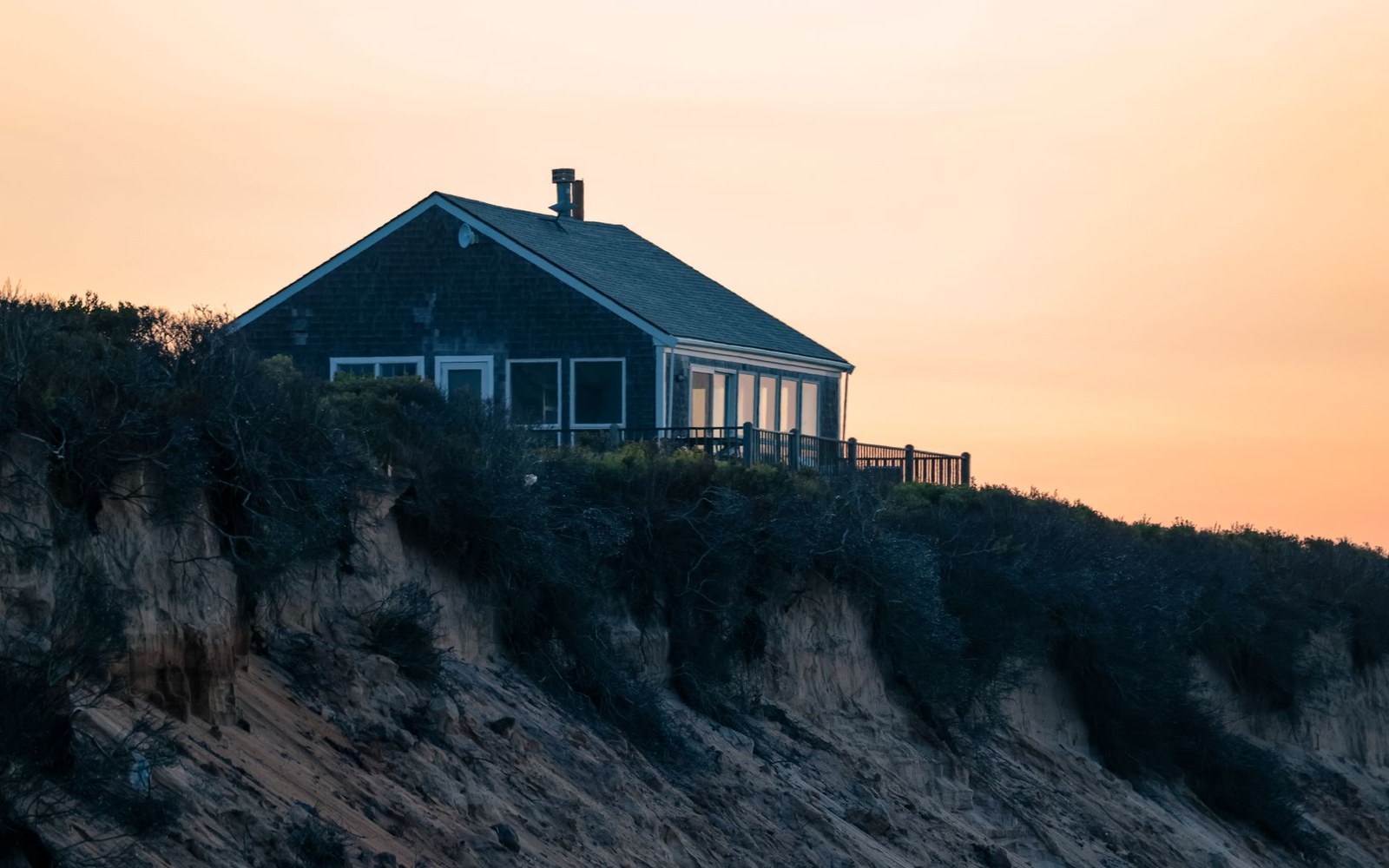
The Headland After Six O'Clock Does Double Duty
The Q Station at North Head, Manly, occupies an unusual position in Australia's ghost-tour economy: it is simultaneously a heritage accommodation property, a conference venue, and an after-dark tour operator, all on the same fourteen hectares of former North Head Quarantine Station ↗ grounds. That layering means the site can sell the same story twice — once to a day visitor buying a tour ticket, and again to a guest checking into one of the heritage-listed cottages or dormitory buildings that line the headland.
The after-dark programme runs on a tiered structure. Entry-level ghost tours are sold as ticketed evening experiences, guided walks through the station's hospital precinct, shower blocks, and cemetery approach, with a guide narrating accounts drawn from the site's documented quarantine history — the decades of arrivals, detentions, and deaths recorded from the station's nineteenth-century operation through to its closure in 1984. Higher-priced options extend the experience: private ghost tours for groups, and investigation-format evenings that supply participants with consumer devices including EMF meters, which are not classified as scientific instruments for paranormal detection.
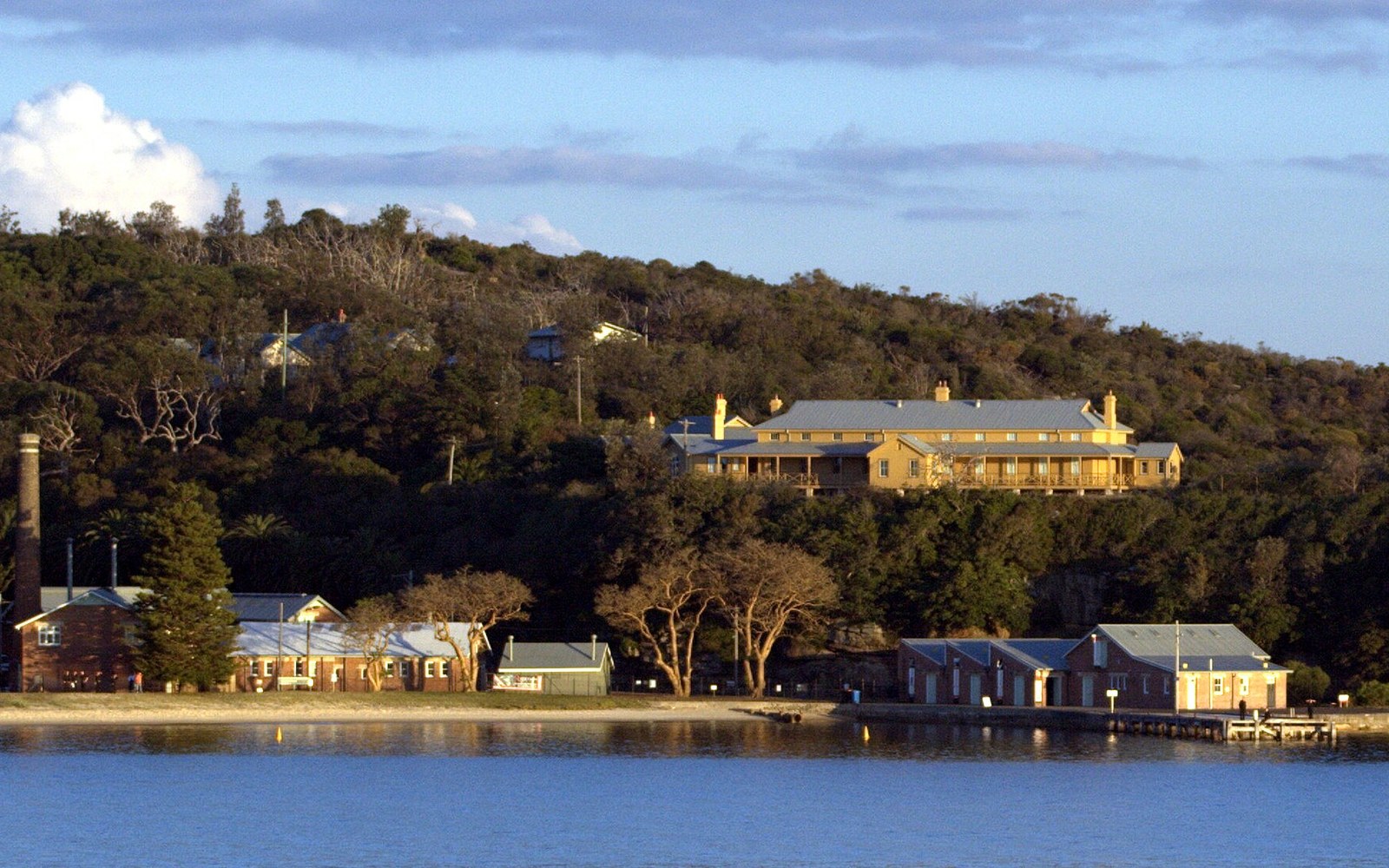
The accommodation upsell is where the commercial model becomes genuinely distinct. Guests who book overnight stays in the heritage buildings are marketed the site's history as part of the room's value proposition — the same stories that appear on the tour programme appear in accommodation listings, framing a night in a former quarantine ward as an experience rather than simply a bed. Pricing for accommodation reflects the heritage premium: rates for heritage rooms sit above equivalent Manly hotel stock, attributable in part to the listed character of the buildings and in part to the narrative the site has constructed around them.
The site sits on national park land and is run by a private operator under a lease arrangement, and the documented interment record at the North Head cemetery — real names, real causes of death — provides the historical substrate the tour programme draws on. Whether the programme's ghost-story layer is understood by visitors as history or entertainment varies by ticket type. The site's own published materials are careful to present the after-dark content as storytelling rather than paranormal investigation, a distinction that matters both for its heritage obligations and for the suggestion-effect dynamic that researchers including Richard Wiseman have documented in primed visitor environments.
More in Headland