After Closing Time and the Reporting Behind the Night Walk
Port Arthur's ghost tour is not a gimmick bolted onto a serious heritage site. For the Authority that runs it, the after-dark programme is a documented driver of repeat visitation — and the Authority's own reporting says so plainly.
What the Authority's Own Reporting Shows
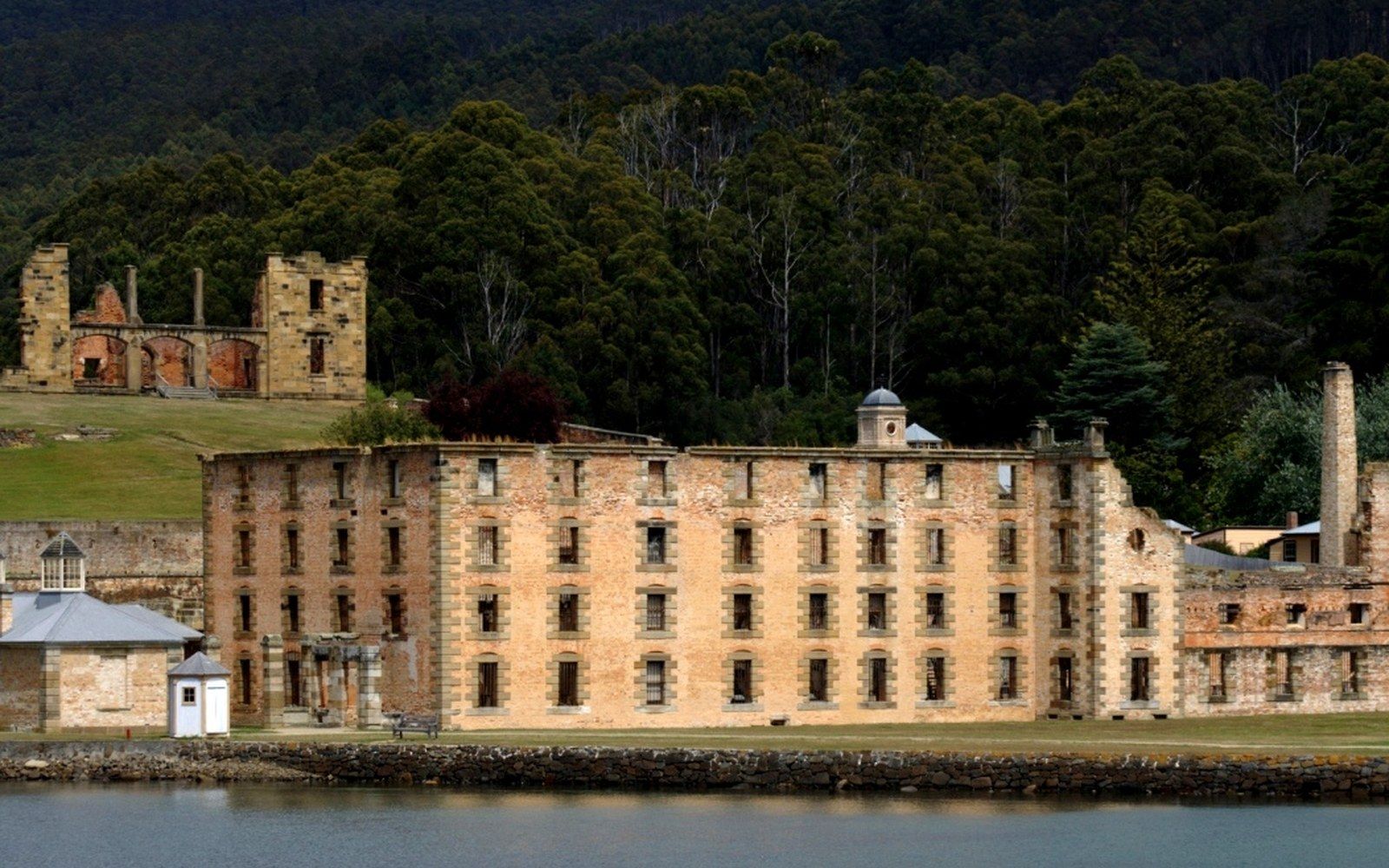
Port Arthur Historic Site Management Authority publishes annual reports that treat the ghost tour as a discrete revenue and attendance line, not a footnote. The site itself spans roughly 40 hectares of managed heritage landscape on the Tasman Peninsula, and the Authority's reporting ↗ consistently identifies the after-dark lantern tour among the products credited with drawing visitors back for a second or third stay. That is a commercially significant finding for a site whose documented history — convict transportation, the Separate Prison completed in 1852, decades of colonial administration — is already strong enough to fill a first visit without any theatrical add-on.
The ghost tour's longevity matters here. Operating in its current structured form since the 1980s, it predates comparable night programmes at most Australian heritage venues. Old Melbourne Gaol, administered by the National Trust of Australia (Victoria) on Russell Street, launched its night tours later and is now among the most visited after-dark heritage products in the country, yet Port Arthur's programme remains the one most cited by the Authority's own visitor research as a repeat-visit motivator. The distinction is worth holding: Melbourne's gaol draws on a large metropolitan catchment; Port Arthur requires a dedicated journey to the end of a peninsula, which means visitors who return for the night tour have made a conscious, effortful choice.
Compared across the Australian ghost-tour landscape, that pattern is unusual. Sites in Ararat, Geelong, Picton and Fremantle each operate after-dark programmes with their own documented histories, but none sits as far from a capital city as Port Arthur, and none has held a continuous commercial night programme for as long. The Authority's position — managing a UNESCO World Heritage Site ↗ as part of the Australian Convict Sites inscription — adds a layer of institutional accountability that most privately operated ghost-tour venues do not face. Programming decisions, including the tone and historical accuracy of the night walk's script, sit within a framework that must satisfy both commercial targets and heritage obligations.
What the Authority documents as driving repeat visitation is not spectacle alone. Visitor research cited in annual reporting points to the combination of guided interpretation, site access after general closing, and the social format of the lantern tour — a small group, a human guide, a contained route through the ruins after dark. The ghost stories are part of the product. So is everything around them.
More in Peninsula