The Geelong Gaol Is Run by Volunteers, and the Roster Is the Constraint
The after-dark programme at Geelong Gaol runs because unpaid people show up — and when they cannot, tours do not.
A Heritage Product With a Human Ceiling
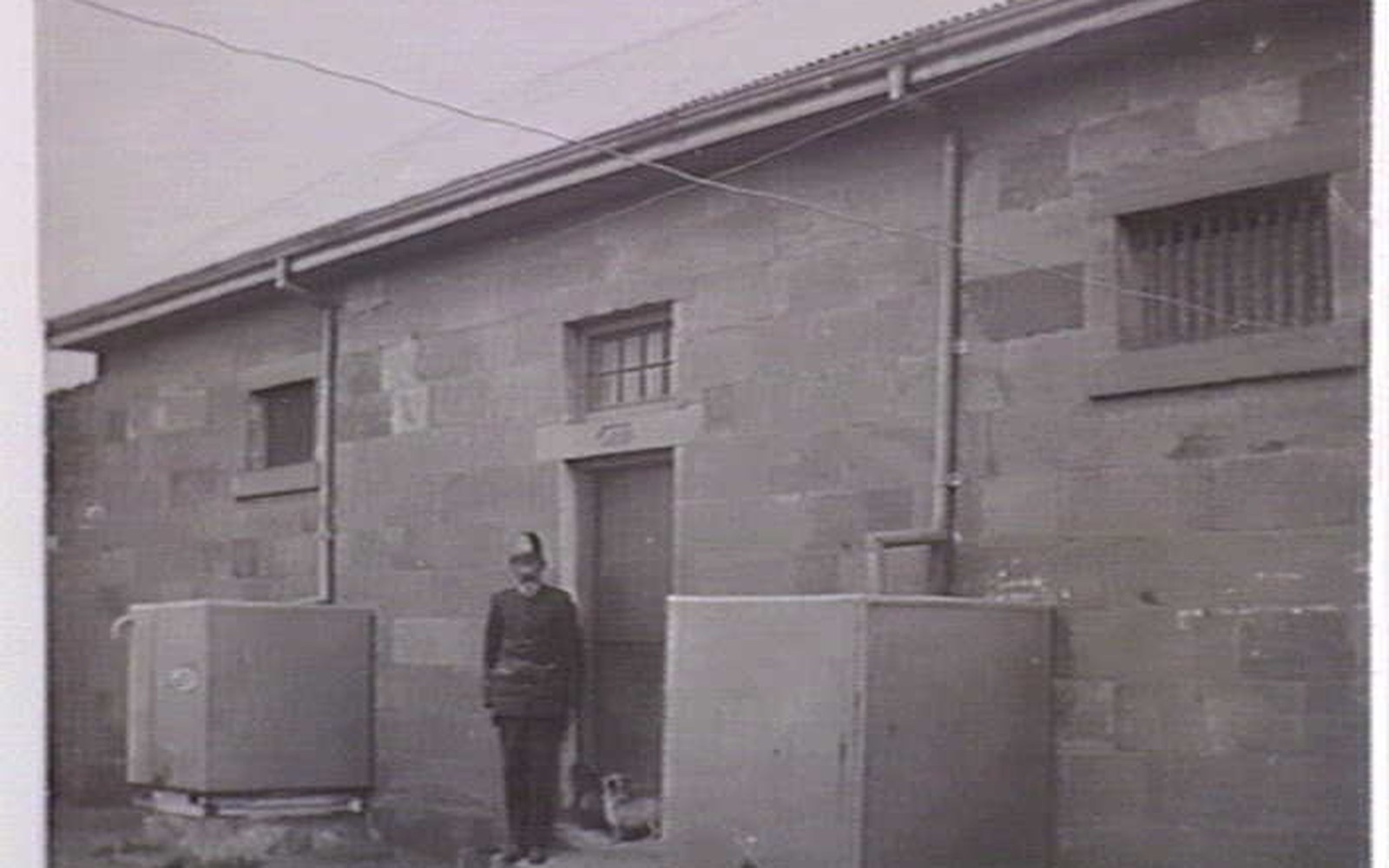
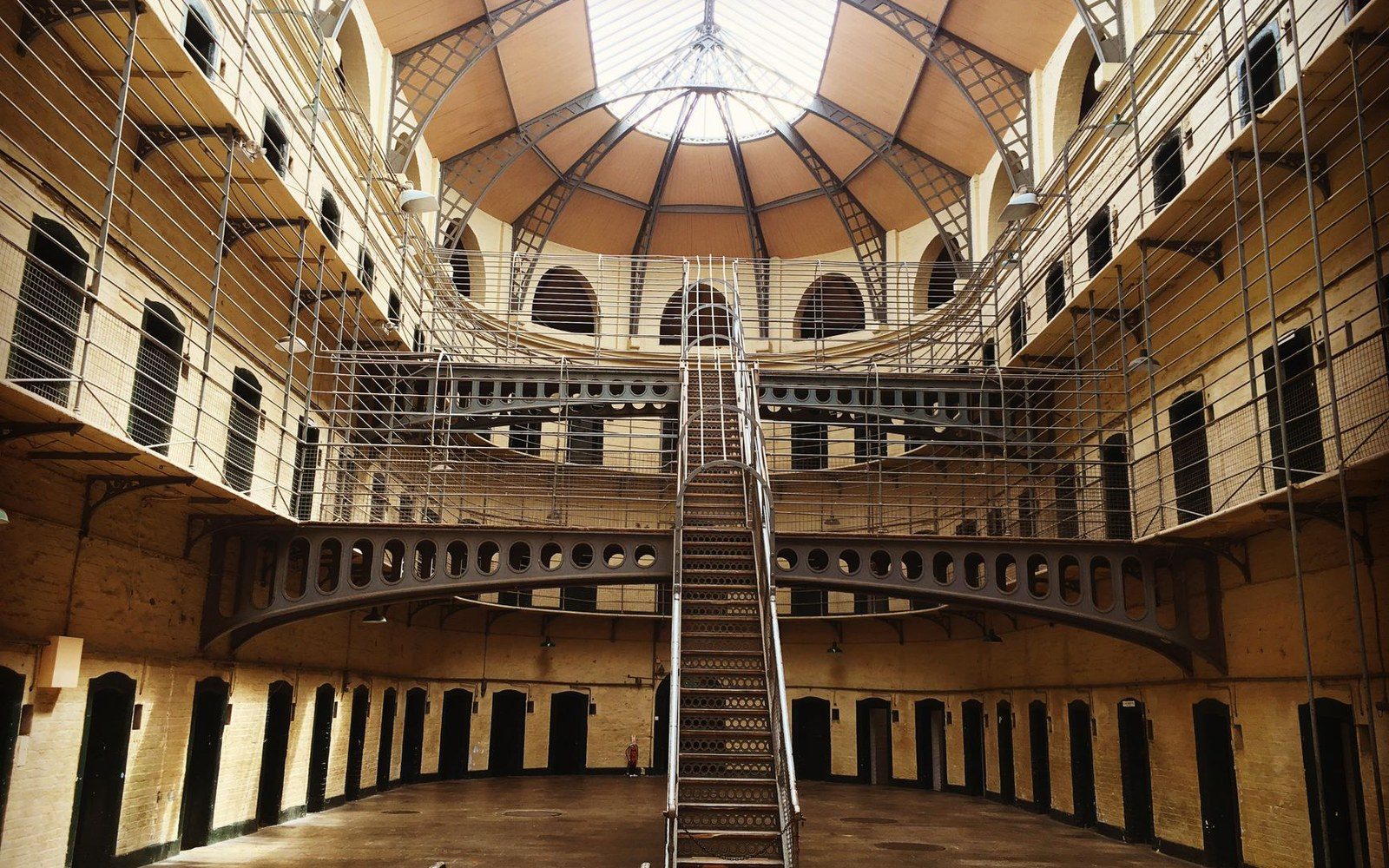
Geelong Gaol, constructed from locally quarried bluestone beginning in the 1850s, operated as a working prison until 1991. The National Trust of Australia (Victoria) now manages the site and runs both daytime heritage tours and a night-tour programme, with the after-dark component dependent almost entirely on volunteer guides rather than salaried staff.
That staffing model sets a hard ceiling on capacity. Where Old Melbourne Gaol's night programme on Russell Street operates with a professional events team supporting regular Friday and Saturday sessions and peak-season expansions, Geelong's offering is shaped by who is available on the roster on a given weekend. The National Trust of Australia (Victoria) lists Geelong Gaol on its heritage places register ↗ as a significant colonial bluestone structure, but heritage listing does not fund a payroll.
The practical consequence is that tour dates are irregular by commercial standards. A ticketed ghost-tour operator in a capital city can schedule fifty weeks of product and staff accordingly; a volunteer-run site in a regional centre schedules around the people it has. Session numbers and available dates shift between seasons. Visitors planning around a specific date are advised to confirm directly with the National Trust before booking.
The stories the guides carry are consistent with the site's documented history: the gaol held prisoners from the 1850s through to the late twentieth century, and a number of executions were carried out on the premises. That documented record — deaths in custody, long terms of hard labour, the isolation architecture of a nineteenth-century penal institution — gives the night tour its narrative without requiring embellishment. What guides deliver, and how consistently they deliver it, depends on experience levels that vary more widely in a volunteer cohort than in a trained professional team.
The model is not a weakness unique to Geelong. It reflects a broader tension in Australian heritage tourism between the resources required to run a polished commercial product and the volunteer energy that keeps smaller sites viable at all. Port Arthur has a management authority and an annual visitor count that justifies full-time staffing. Geelong Gaol has the National Trust, a pool of committed volunteers, and a roster that remains the binding constraint.
More in The Gaols