The Junee Homestead and the Documented History Underneath the Reputation
Monte Cristo Homestead has been called Australia's most haunted house since at least the 1980s. What the documented record shows is more interesting than that label suggests.
A House Built on Wool and Wheat
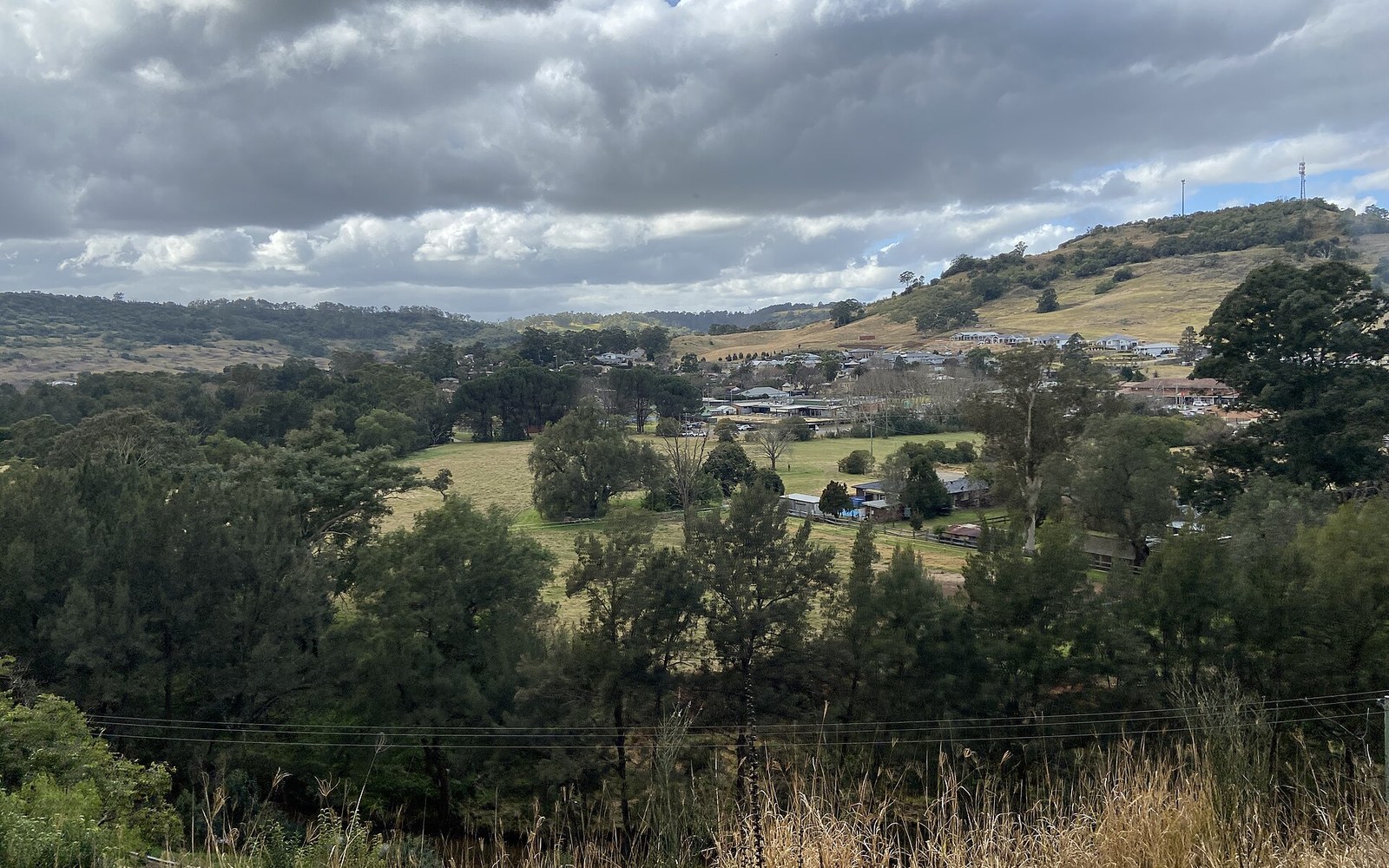
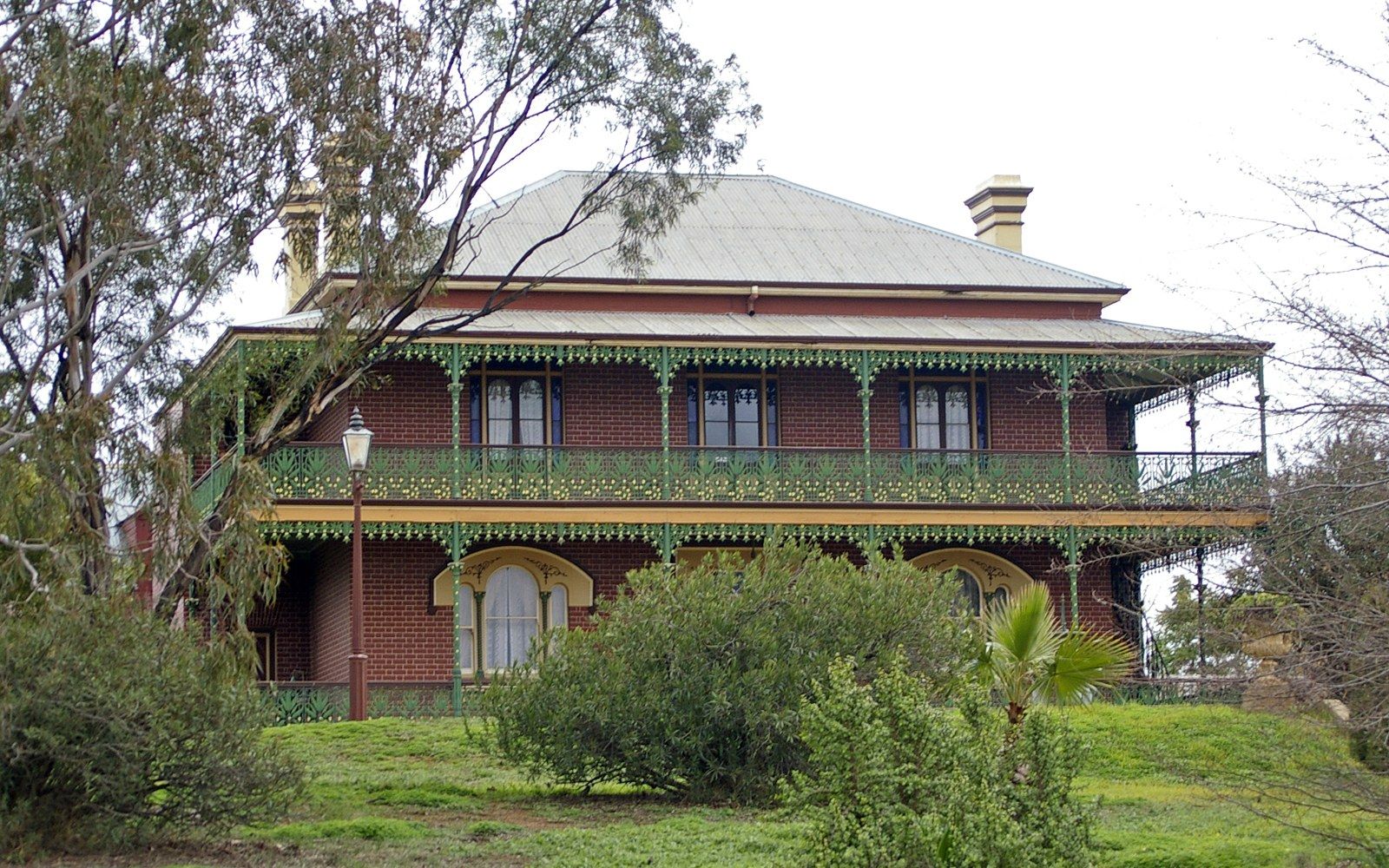
Monte Cristo Homestead stands on a hill above Junee, a railway town in the Riverina district of south-western New South Wales, roughly 450 kilometres from Sydney. The two-storey Italianate structure was built in stages from 1884 by Christopher William Crawley, a pastoralist and businessman who had accumulated land holdings across the district during the wool and wheat booms of the colonial period. By the time of Crawley's death in 1910, the homestead comprised the main house, a chapel, a caretaker's cottage, and several outbuildings, set within grounds that commanded a clear view of the town below. The New South Wales State Archives holds records of the property's title and surrounding land transfers that trace the Crawley family's consolidation of the estate across those decades.
Crawley's wife, Elizabeth, remained in the homestead after her husband's death and, according to accounts the site's own published history attributes to local oral record, seldom left the property during her widowhood. She died in 1933. The family's tenure effectively ended with her, and the property passed through a series of owners before falling into disrepair through the mid-twentieth century. That period of abandonment — peeling paint, collapsed outbuildings, untended grounds — established the visual grammar of ruin that ghost-tour discourse would later amplify.
Deaths on the Property, and What the Record Confirms
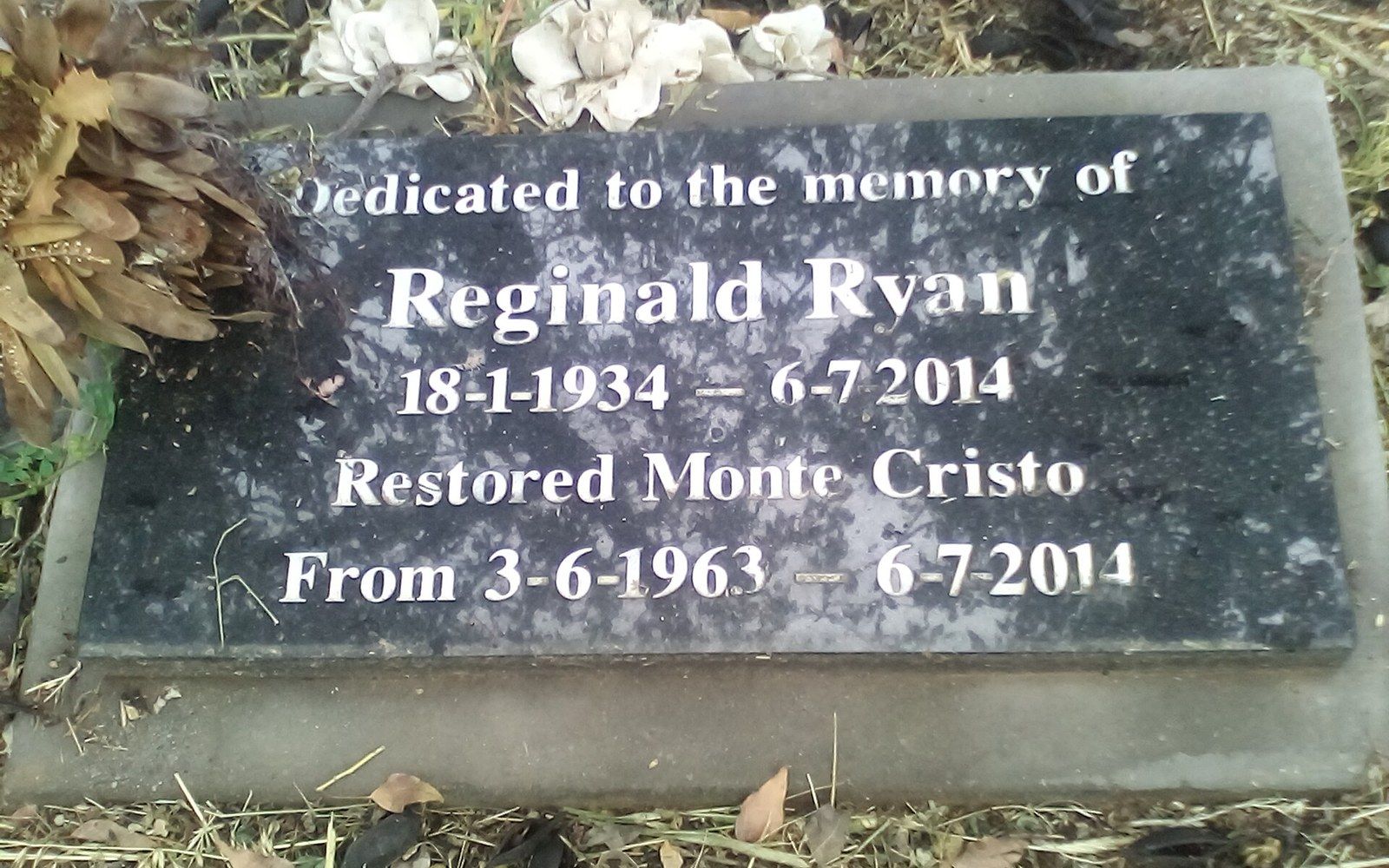
Monte Cristo's reputation as a site of paranormal significance is built on a sequence of deaths and accidents that the homestead's current owners, Reg and Olive Ryan, have documented in the site's own published history, which has been available to visitors and researchers since the Ryans purchased and began restoring the property in 1963. The Ryans' account identifies several incidents: a caretaker's cottage fire in which an occupant died, the death of a stable-hand who fell or was dropped from an upper storey, and the death of a pregnant domestic servant who reportedly fell from a balcony. The site's materials note that these accounts derive from a combination of local newspaper reports, family records, and oral tradition, and the degree of documentary support varies between incidents.
What the historical record does confirm, without qualification, is that the Crawley homestead was a working property across several decades of colonial New South Wales, during which time injury and death among household and agricultural workers was neither unusual nor systematically recorded. The gap between what newspapers reported, what parish records show, and what oral tradition has accumulated over a century is precisely where the Monte Cristo story lives. The homestead's published materials acknowledge this gap, which distinguishes them from the more extravagant claims made by secondary sources.
The property's listing on the New South Wales State Heritage Register ↗ recognises its architectural and historical significance, with the register entry citing the homestead's intact Victorian fabric and its representation of a prosperous rural household of the period. The heritage significance rests on documented history; the ghost-tour significance rests on a different kind of accumulation.
How a Reputation Is Assembled
The Ryans' decision to open Monte Cristo to the public — initially as a heritage attraction and subsequently as a ghost-tour destination — placed the homestead within a category that dark tourism ↗ scholars describe as sites where the layering of tragedy and visitation creates a commercially self-sustaining narrative. The homestead began appearing in print and broadcast features in the 1980s, and by the time Australian television covered it — including appearances on programmes that fall within the format examined in the ghost-tour television genre more broadly — it had acquired the "Australia's most haunted house" label that now appears on the site's own marketing materials.
That label is not attributable to any single authoritative source. It circulates in the manner of most such claims: one outlet repeats another, the site itself adopts the phrase, and the phrase then becomes part of the draw. The Australian Skeptics Inc., whose $100,000 standing challenge for demonstrable paranormal evidence has been published and maintained since 1980, has not received a formally submitted claim from Monte Cristo. The organisation's position, consistent across all such sites, is that the threshold for evidence has not been met.
What visiting Monte Cristo does offer — and what the Ryans' restoration makes genuinely possible — is a well-preserved Victorian rural interior at a scale rare in regional New South Wales. The homestead retains original furnishings, wallpapers, and fittings consistent with its construction period. The chapel and caretaker's cottage, both integral to the ghost-tour narrative, are structurally intact. For visitors arriving in the context of a heritage interest rather than a paranormal one, the building itself is the primary document.
The Product and the History Running Together
Ghost tours at Monte Cristo are operated by the property's owners as a private commercial enterprise. The after-dark programme narrates the deaths and incidents drawn from the published family history, conducted through the homestead's interior. The format is consistent with the lantern-tour structure that characterises the Australian ghost-tour industry broadly: guided group movement, narrative delivery by a costumed or knowledgeable guide, and the staging of a historically furnished interior in low-light conditions. The suggestion effect — documented in research by Richard Wiseman and Chris French ↗ — whereby participants in a primed atmospheric environment report experiences consistent with prior expectation, is structurally embedded in the format, as it is in comparable tours across the country.
The homestead's heritage listing does not require tours to distinguish documented history from legend, and it is not obliged to. Its published materials are more careful than most in noting the variable documentary basis of different stories, which reflects the Ryans' long engagement with the property's actual record. That care does not prevent the label "Australia's most haunted house" from appearing on the gate.
Monte Cristo is, finally, most useful as an example of how a regional property with a documented Victorian history and a real accumulation of difficult events becomes, across several decades of media repetition and visitor expectation, something it was not designed to be. The house was built as a display of pastoral prosperity. Its current reputation is a different kind of display — assembled from the same materials, read by a different light.
More in Inland