Western Australia's Oldest Public Building, and Eight Cells
The Fremantle Roundhouse predates every other public building still standing in Western Australia — and its ghost-tour footprint is, deliberately, almost nothing.
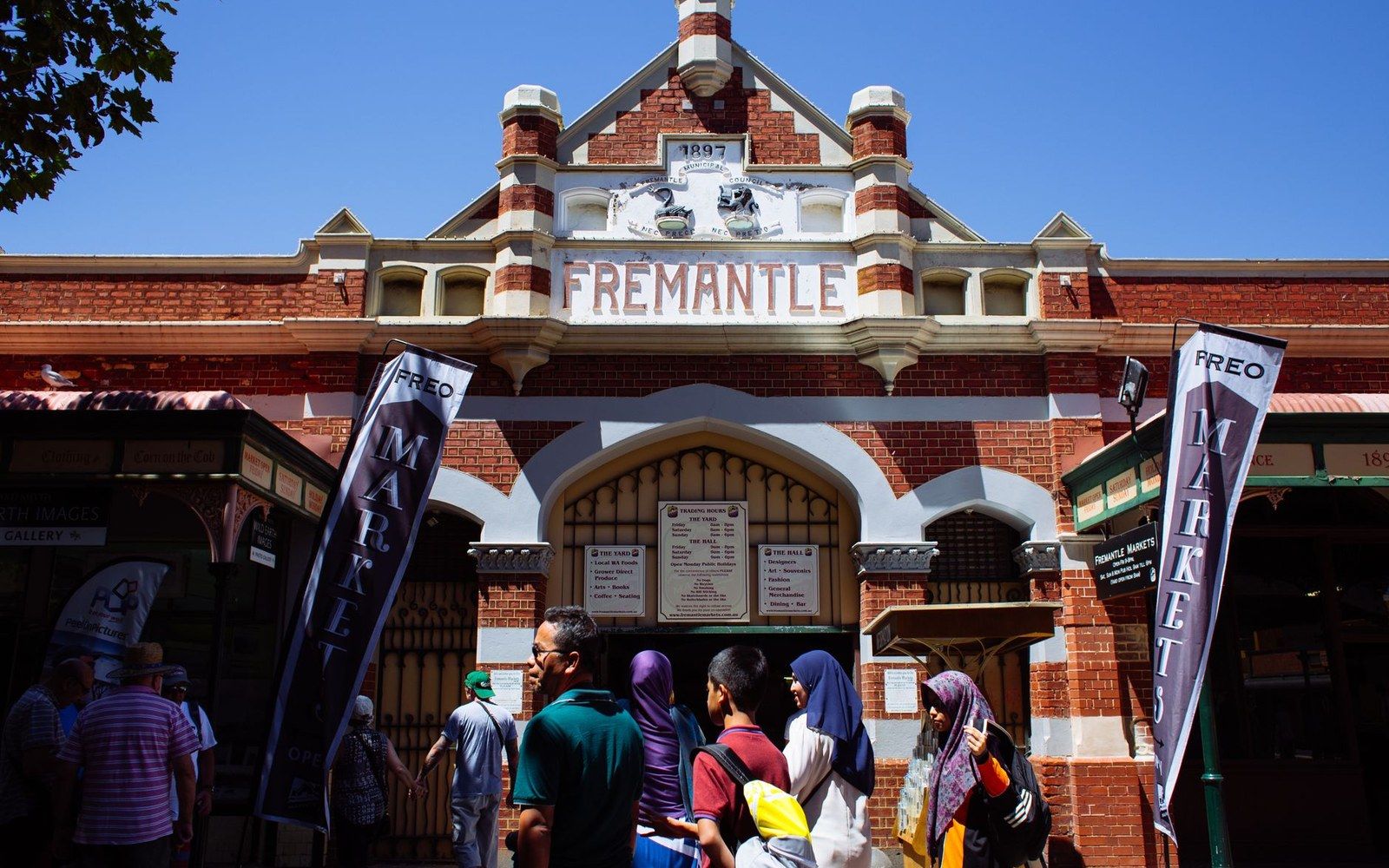
A Gaol Before There Was Much Else
Built in 1831 by convict labour under the direction of colonial engineer Henry Reveley, the Roundhouse on Arthur Head served as the Swan River Colony's first gaol. It held not convicts — transportation to Western Australia did not begin until 1850 — but free settlers and local offenders processed under early colonial law. The structure is a twelve-sided polygon enclosing eight radial cells arranged around a central courtyard, a design reflecting early-nineteenth-century thinking about surveillance and containment. Its layout shows the influence of Jeremy Bentham's panopticon idea of the previous century.
The building ceased functioning as a gaol in 1886, when Fremantle Prison took over the full custodial load of the colony. In the decades that followed, the Roundhouse served variously as a store and a police facility before passing into heritage management. It is listed on the Western Australian State Register of Heritage Places ↗ and managed by the Fremantle Roundhouse Wardens Association, a volunteer body, as a free public attraction.
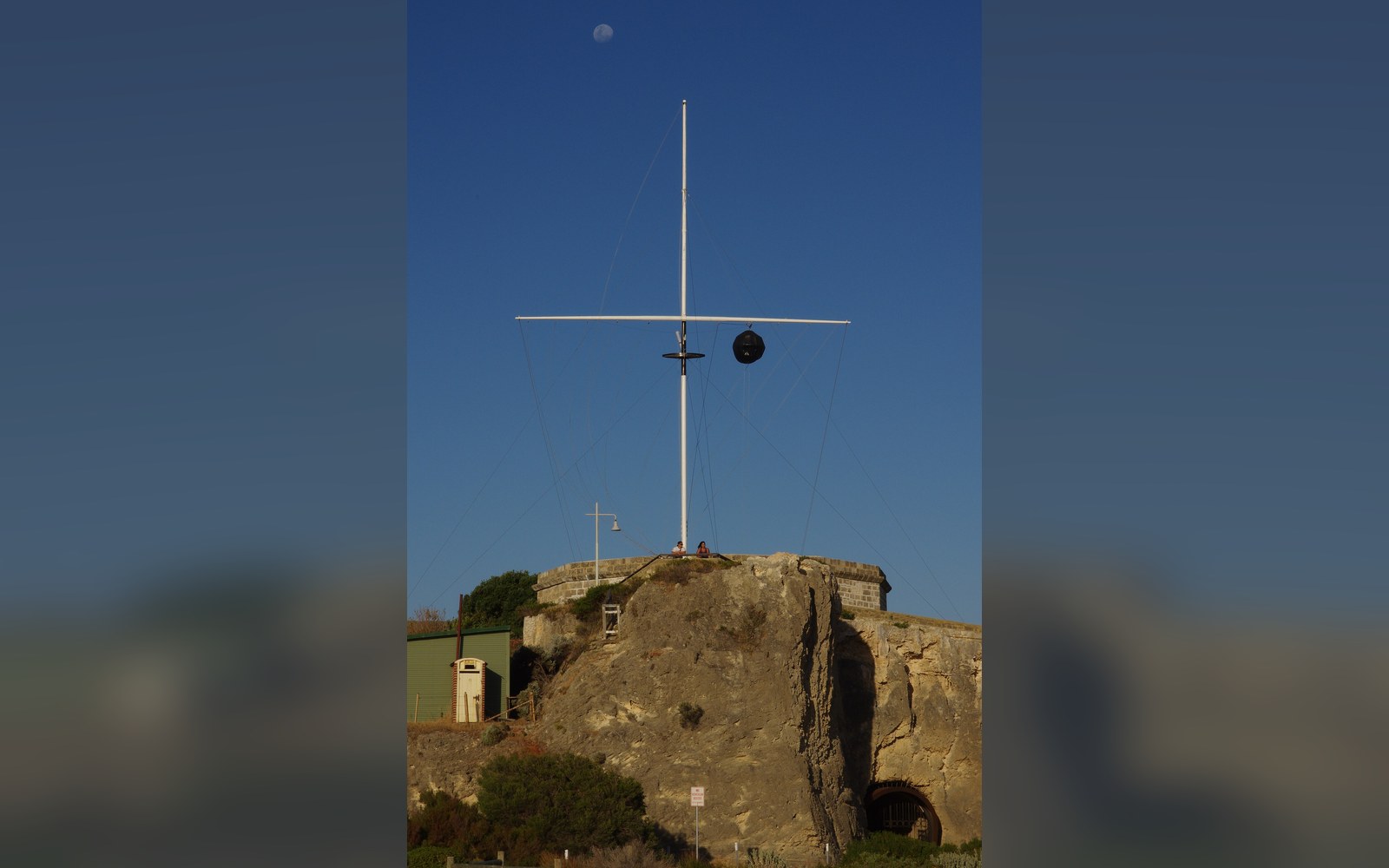
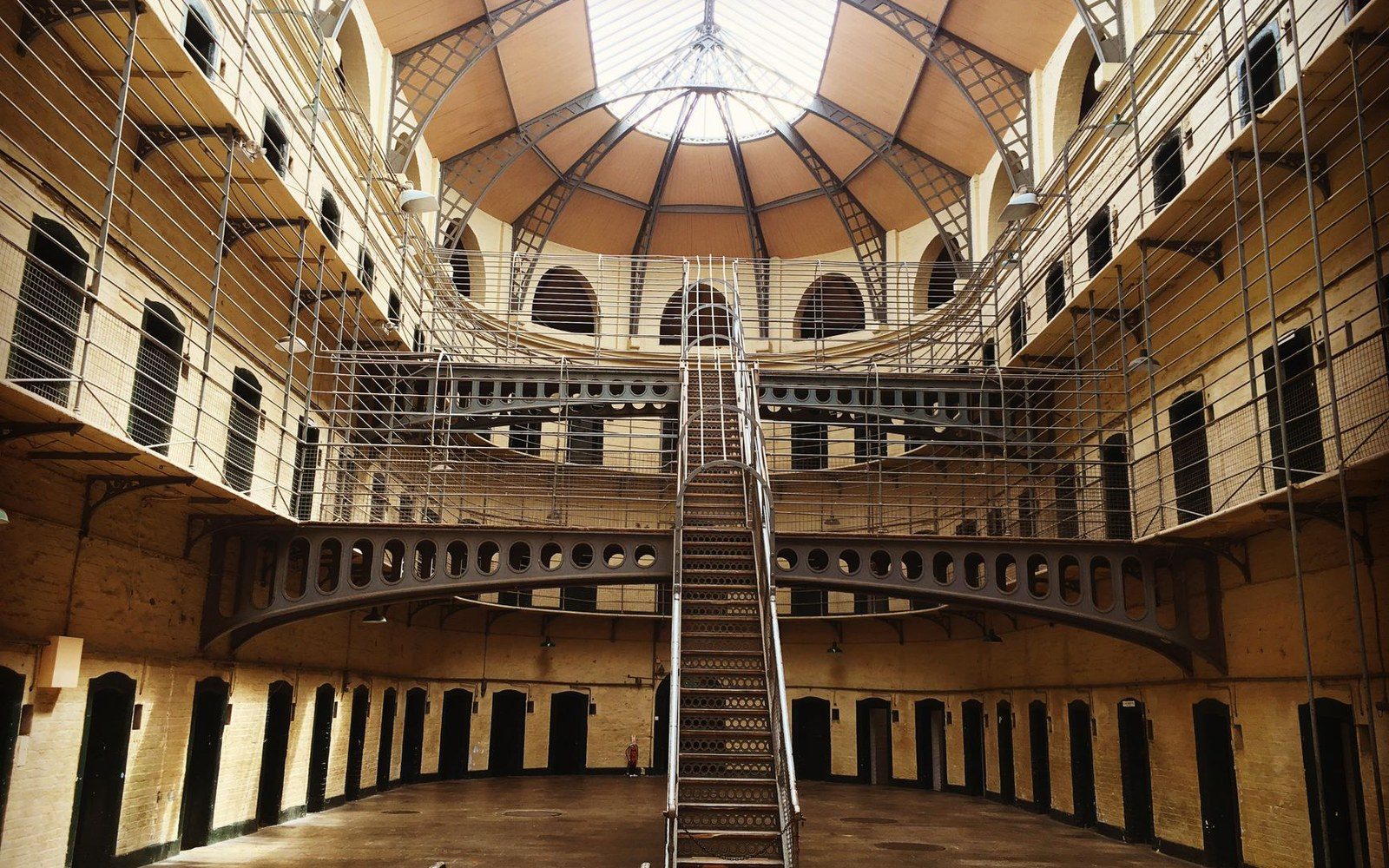
Interpretation Without the Theatre
Compared with the commercially developed after-dark programme at Fremantle Prison a short distance away, the Roundhouse's heritage interpretation is restrained. No licensed ghost-tour operator runs ticketed evening events inside the structure. Interpretive panels and volunteer guides focus on documented colonial history — the cells, the whalers' tunnel cut beneath the headland in 1837, and the time-ball tower added around 1900 for mariners. The site's significance to Noongar people ↗, for whom Arthur Head carries meaning that predates 1831, is part of the official interpretation.
Stories of unease in the cells circulate in online forums, as they do around any confined historic space. The Roundhouse management has not formalised those stories into a product — which, at a site this small and this old, may itself be a kind of curatorial decision.
More in The Gaols