What Dark Tourism Looks Like When an Island Has One Port Arthur
Tasmania's largest heritage estate anchors a tourism industry that extends well beyond its gates — but the academic category it belongs to is more contested than the brochures suggest.
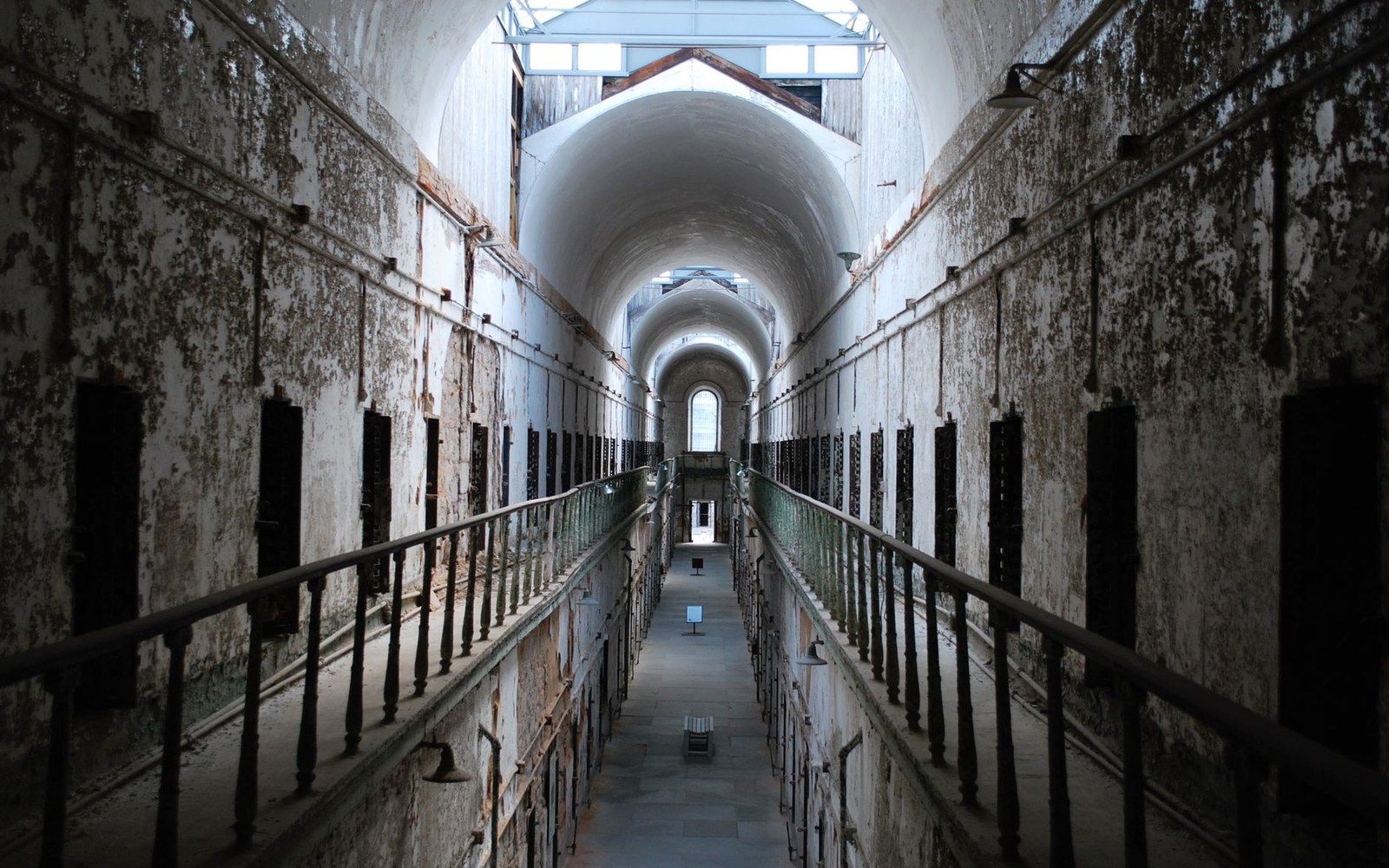
One Magnet and Its Shadow Economy
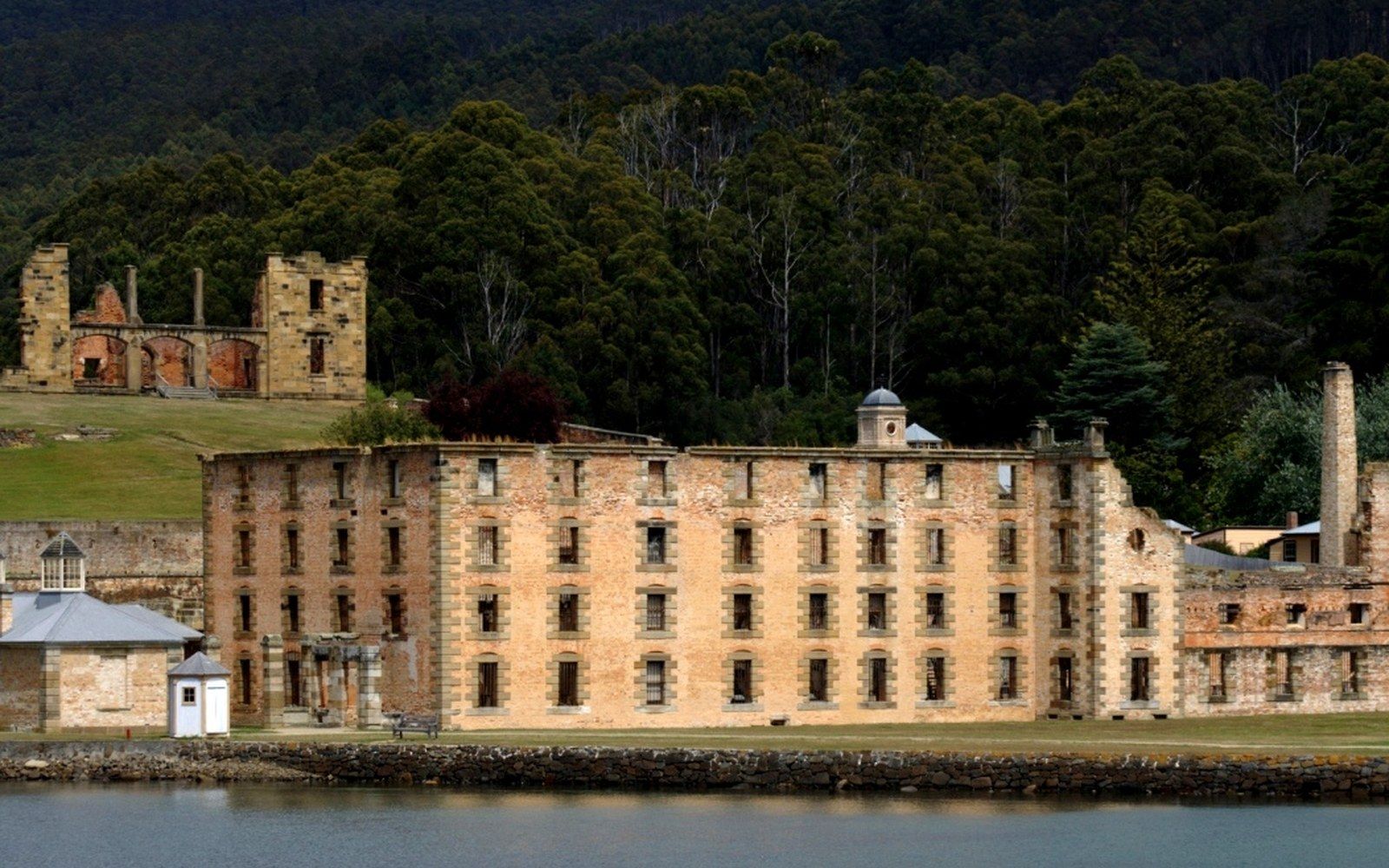
Port Arthur sits at the tip of the Tasman Peninsula, roughly ninety kilometres south-east of Hobart, and its gravitational pull on Tasmanian heritage tourism is difficult to overstate. The Port Arthur Historic Site Management Authority ↗ manages a property that UNESCO recognised as part of the Australian Convict Sites World Heritage listing in 2010 — a designation that formally acknowledges the site's outstanding universal cultural value and, in practice, anchors a year-round visitor economy on a peninsula with few other major draws.
That economy extends well beyond the admission gate. The townships of Port Arthur, Eaglehawk Neck and Taranna host a cluster of accommodation providers, guided day-trip operators and regional food businesses whose viability is directly tied to the historic site's attendance figures. The peninsula's road network funnels almost every visitor past the same bays and blowholes, which means that secondary attractions — the Tessellated Pavement at Eaglehawk Neck, the Remarkable Cave, the Coal Mines Historic Site at Saltwater River — receive their audiences largely as overflow from Port Arthur's main draw.
The Coal Mines Historic Site is the more significant case. Located about twenty kilometres north-west of Port Arthur, it preserves the remains of Australia's first operational coal mine, worked by convict labour from 1833. The site is freely accessible, managed by the Port Arthur Historic Site Management Authority under the same legislative framework, and carries its own convict-transportation history without the interpretive infrastructure — or the after-dark programme — of the main estate. Visitors arrive, read the interpretive panels, and leave. There is no lantern tour, no theatrical narration, no ticket price. In academic terms, that difference is precisely where the dark-tourism debate lives.
Where Heritage Ends and Dark Tourism Begins
The distinction matters because the academic category of dark tourism is not simply a synonym for heritage tourism at grim places. Scholars John Lennon and Malcolm Foley, who coined the term in the 1990s, described dark tourism as travel oriented specifically toward sites of death, tragedy or suffering — with an emphasis on the commodification of that association. A site that happens to have a difficult history is not automatically a dark-tourism product; it becomes one when the tragedy is packaged and sold as the primary draw.
By that framework, the Port Arthur ghost tour sits unambiguously in the dark-tourism column: the after-dark programme charges a separate ticket, uses theatrical lantern staging, and markets the site's suffering history as its explicit attraction. The daytime heritage programme occupies more contested ground — it interprets convict history soberly and in depth, but it does so at a site whose suffering is inseparable from its World Heritage significance. Most published analysis places it in a category sometimes called "grey tourism," where the darkness of the history is present but not the organising commercial logic.
What distinguishes Tasmania from comparable Australian states is the near-total concentration of this dynamic in a single location. Victoria distributes its convict-era dark-tourism product across Old Melbourne Gaol, Aradale at Ararat and Pentridge. Western Australia has Fremantle. New South Wales has the Q Station at North Head and several regional sites. Tasmania has Port Arthur — and then, at considerable distance, everything else. The Coal Mines site at Saltwater River, the Cascades Female Factory Historic Site in South Hobart: all carry documented histories of institutional suffering, all are heritage-listed, and none runs an after-dark commercial programme of comparable scale.
The practical consequence is that the Tasman Peninsula's dark-tourism economy is unusually legible. The Tasmanian Archive and Heritage Office holds the convict records that underpin the site's interpretive claims; the Port Arthur Historic Site Management Authority publishes annual visitor data that makes the attendance trends traceable. When scholars want a relatively clean example of how a colonial penal site becomes a ticketed nocturnal experience without losing its standing as a serious heritage asset, Port Arthur is the case they reach for — partly because it is large enough to sustain both identities at once, and partly because it has no serious competition on the island.
More in Peninsula