The Fremantle Asylum That Came With the Story Already Attached
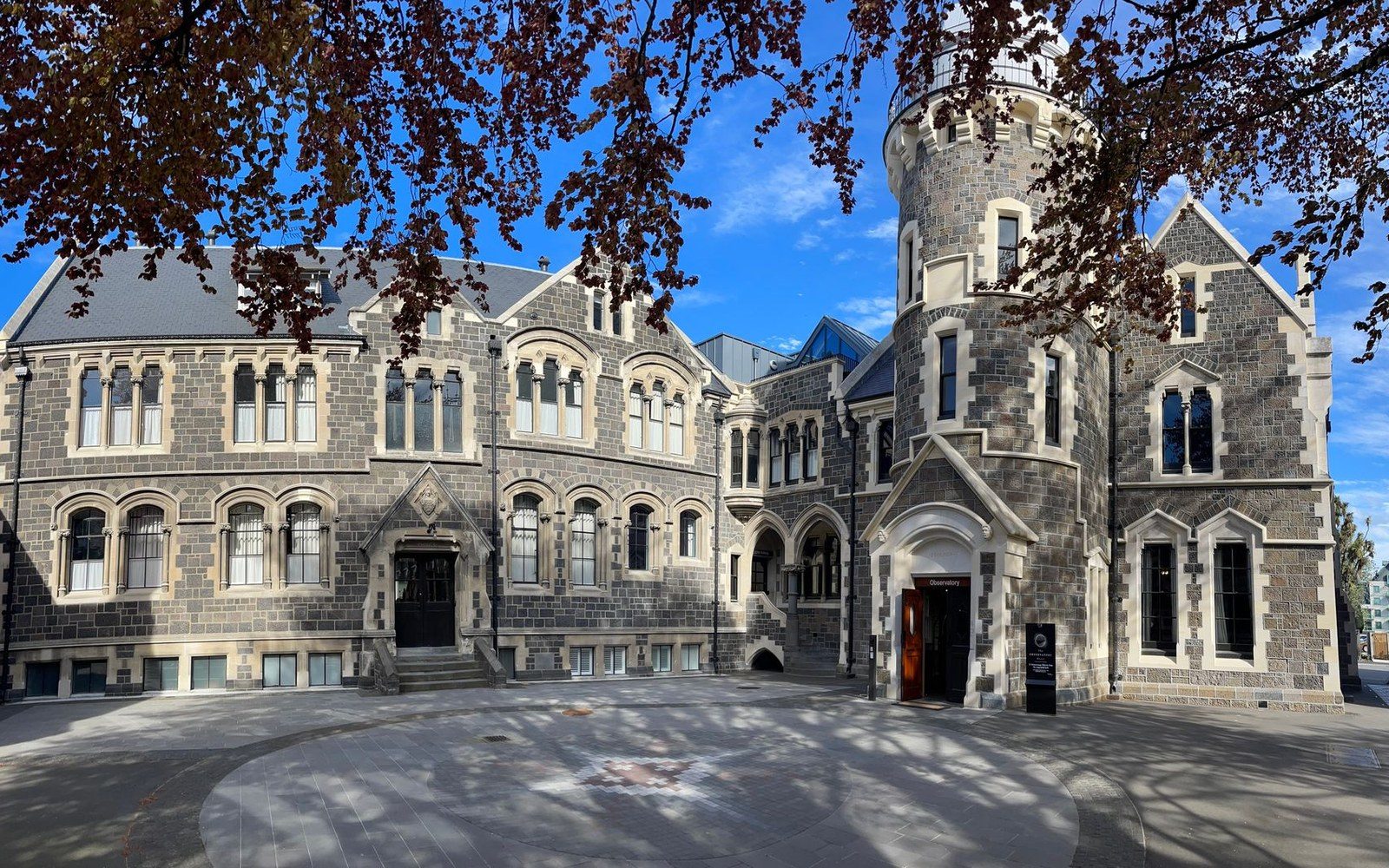
The Fremantle Arts Centre occupies a Gothic Revival complex built as a lunatic asylum in 1861 — and the heritage record and the tour script do not always reach the same conclusions.
When the Stonework Does the Marketing
The Fremantle Arts Centre sits on Finnerty Street in Fremantle, Western Australia, in a cluster of limestone buildings that the Colonial Architect Richard Roach Jewell designed from 1861 onward in a Gothic Revival style unusual for the colony. The complex was constructed using convict labour and opened as the Fremantle Lunatic Asylum, later renamed the Fremantle Mental Hospital as nomenclature shifted across the late nineteenth and early twentieth centuries. It held patients until 1909, then cycled through several institutional uses — a women's home, a naval stores depot during the Second World War, a migrant hostel — before the City of Fremantle converted it to arts and community use in the early 1970s. The place is listed on the State Register of Heritage Places ↗, which records its construction dates, architects and successive functions with the straightforward language of formal heritage documentation.
The after-dark programme layered over that history is something else. Ghost tours have operated at the site, narrating accounts of unexplained sounds in the cellars, sightings in the courtyard, and the general atmosphere of a building whose original function was the containment of people deemed mentally unwell by colonial standards. The limestone construction, the barred windows still visible in sections of the fabric, and the institution's documented history of patient deaths create conditions that dark-tourism scholars would recognise as a complete pre-sold package. What the heritage register records as an administrative history of successive government uses, the tour script translates into a continuous narrative of suffering and residue.
The distinction matters. The State Records Office of Western Australia holds admission and discharge records from the asylum period, and those records document real people — their names, their certified conditions, their outcomes — not the atmospheric composite the touring narrative requires. The gap between a documented death in institutional care and a claimed apparition in a particular corridor is not a small one; it is precisely the gap that the suggestion effect, documented in research by psychologists Richard Wiseman and Chris French, works most efficiently within.
The building is genuinely significant. Its stonework, its history and its current life as an arts venue all earn serious attention. The ghost tour is a commercial product renting space in a heritage frame — and the frame was already impressive before anyone brought a lantern.
More in Inland