The Hotel Room Beside the Gaol and the Premium on Sleeping There
Sleeping at a dark-tourism site is now a product category in its own right — and the pricing reflects the story, not just the bed.
What the Scholarship and the Rate Sheet Agree On
Dark tourism — the academic term John Lennon and Malcolm Foley coined in 1996 ↗ to describe travel to sites associated with death, tragedy or suffering — has always had a commercial dimension. What the scholarship didn't fully anticipate was how readily the overnight stay would become its premium tier.
The mechanism is straightforward. A day visitor pays for a ticket; a ghost-tour guest pays more for the after-dark programme; a guest who sleeps on site pays a premium above both. Each step internalises more of the atmosphere the operator has built into the brand. At Q Station on North Head, New South Wales, the former quarantine station now operates as licensed accommodation, meaning guests can book heritage rooms inside the buildings where infectious-disease detainees were once held, then walk directly into the after-dark programme without a return ferry to Manly. The rate card reflects that layering.
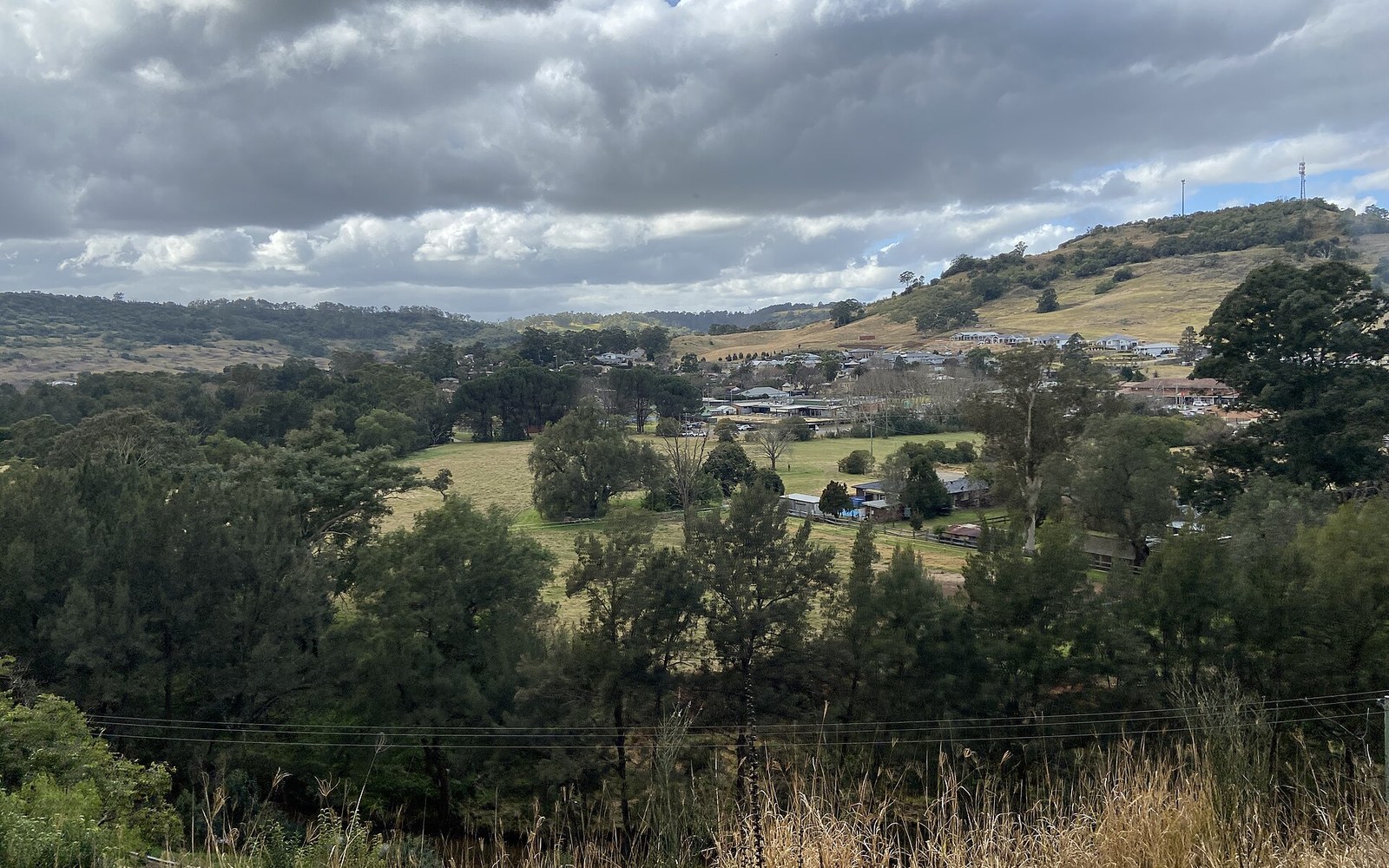
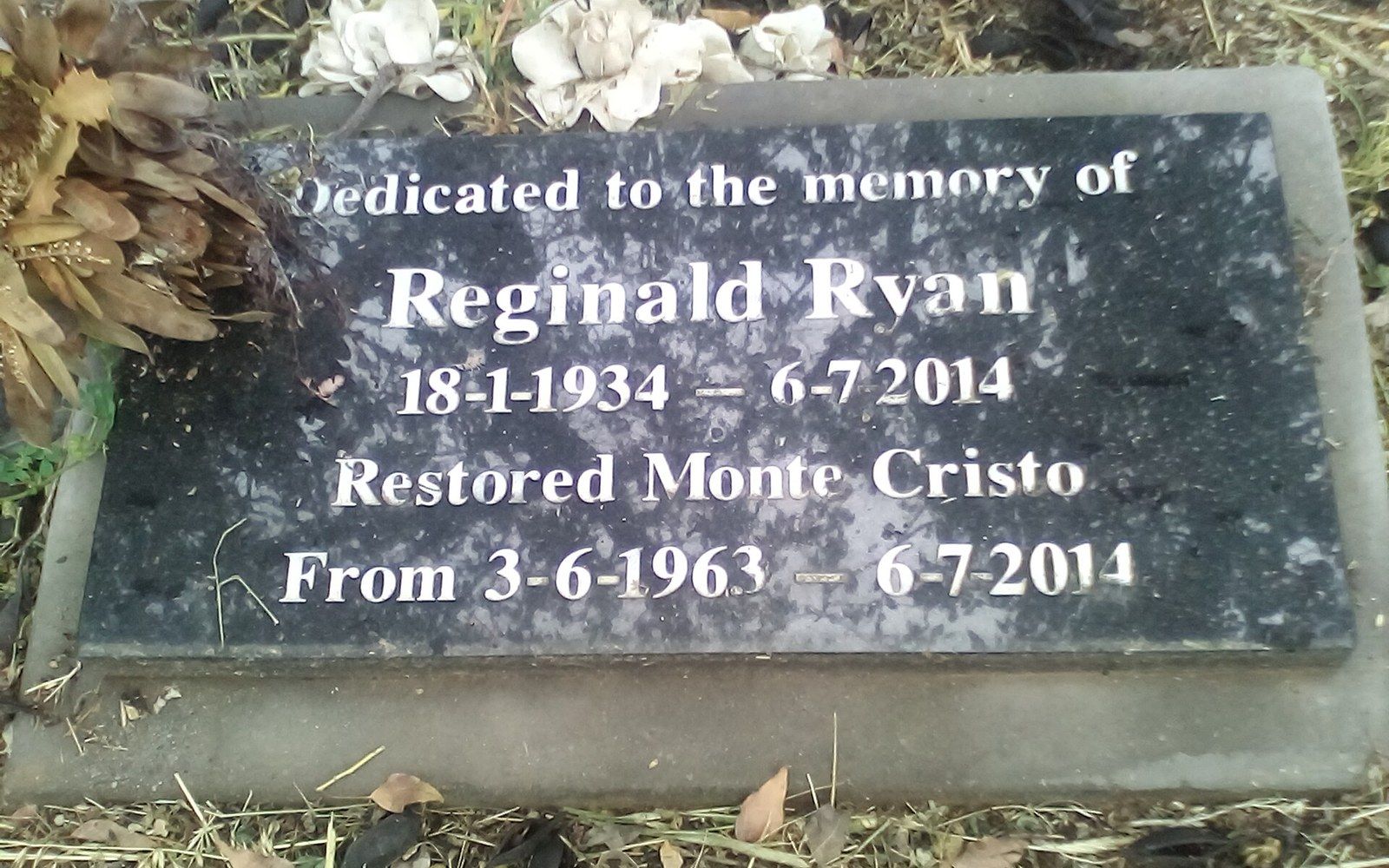
Monte Cristo Homestead at Junee offers overnight stays in the main house — the same structure whose Crawley family history underpins the property's considerable reputation. Availability is limited by the building's size, which keeps the product scarce and the pricing firm. Boggo Road Gaol in Brisbane operates differently: the gaol itself does not accommodate guests, but the surrounding inner-city precinct places visitors within walking distance of standard Brisbane hospitality, and operators market that proximity explicitly.
What links all three is what Lennon and Foley's framework would predict: the willingness-to-pay rises when the site's historical weight is legible in the room itself — a stone wall, a barred window, a documented record of suffering nearby. A hotel branded against an adjacent gaol borrows the aura without the structural constraints. A room inside the site charges for authentic contact with that history, however mediated the experience.
Sceptical researchers including Richard Wiseman and Chris French ↗ have documented the suggestion effect — the tendency of primed environments to generate reported experiences consistent with prior expectation. For accommodation operators, that effect is a feature of the product, not a methodological problem.
More in Inland