An Abandoned Railway Tunnel and a Churchyard, Both Open After Dark
Two heritage sites in and near Picton have become anchor attractions for the southern New South Wales ghost-tour circuit — one a decommissioned railway tunnel, the other a colonial churchyard. The documented histories of both are substantial enough to stand without embellishment.
What the Records Show
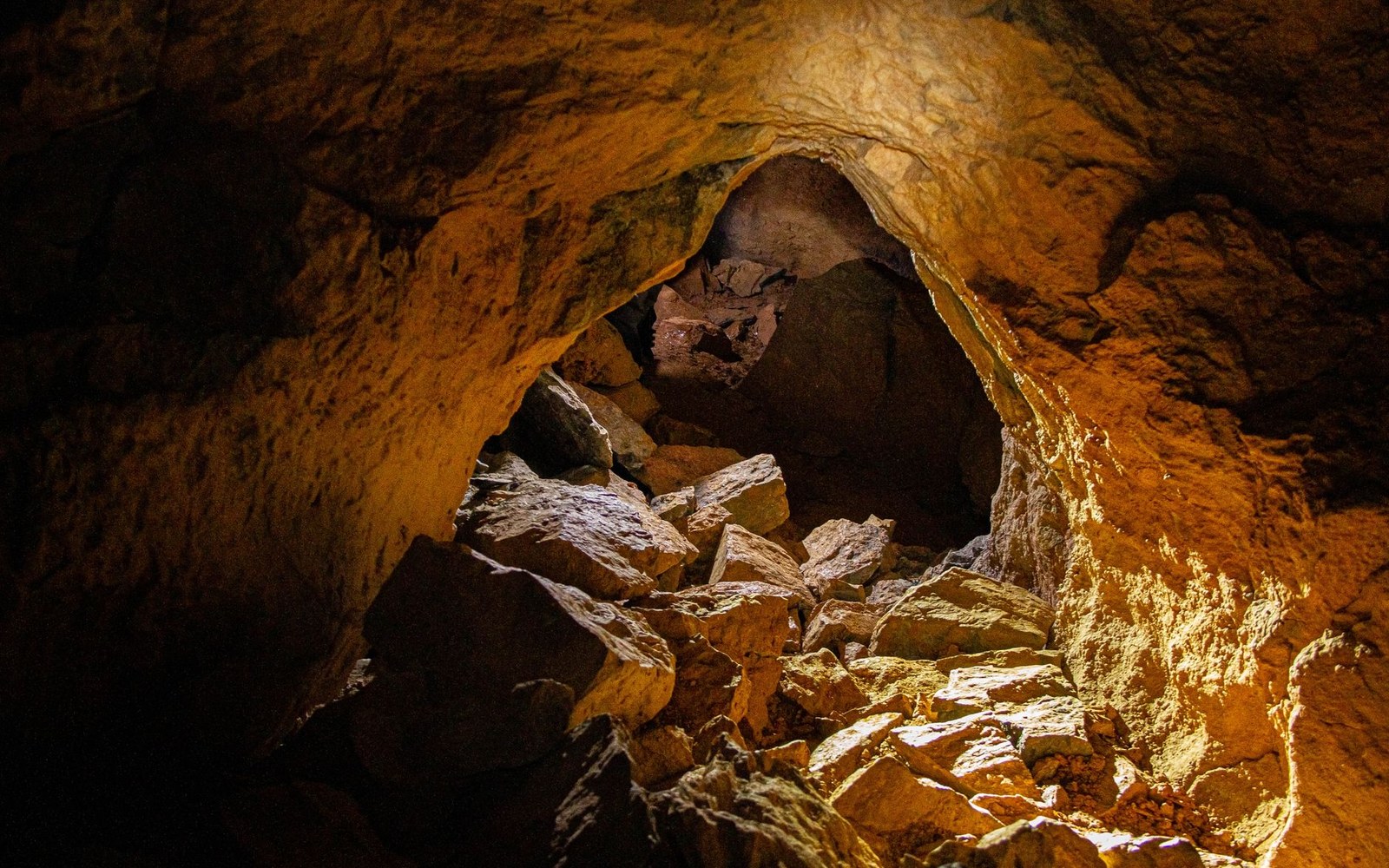
The tunnel known commercially as the Picton Mushroom Tunnel was constructed in the 1860s as part of the Main Southern Railway line through the Redbank Range. The bore — roughly 600 metres in length — was hewn through sandstone and opened to rail traffic in 1867, carrying trains on the route between Sydney and the southern highlands. The line through the tunnel was eventually bypassed when a deviation was completed in 1919, rendering the original bore redundant. The tunnel's subsequent use as a commercial mushroom farm in the mid-twentieth century gave it the name now attached to every tour product on the market. Its heritage significance is recognised under the New South Wales State Heritage Register ↗, which records the Mushroom Tunnel as part of the broader Picton railway precinct.
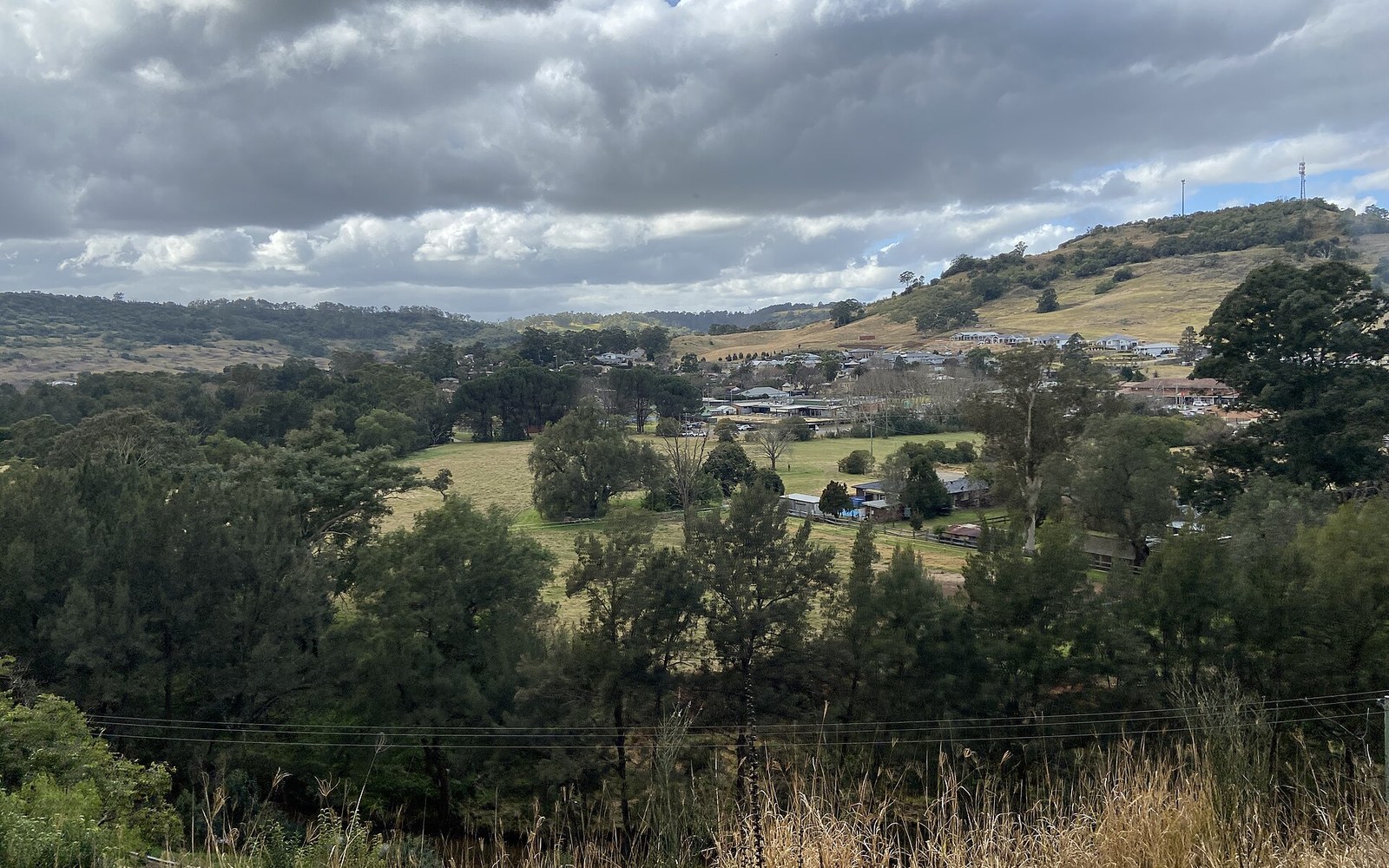
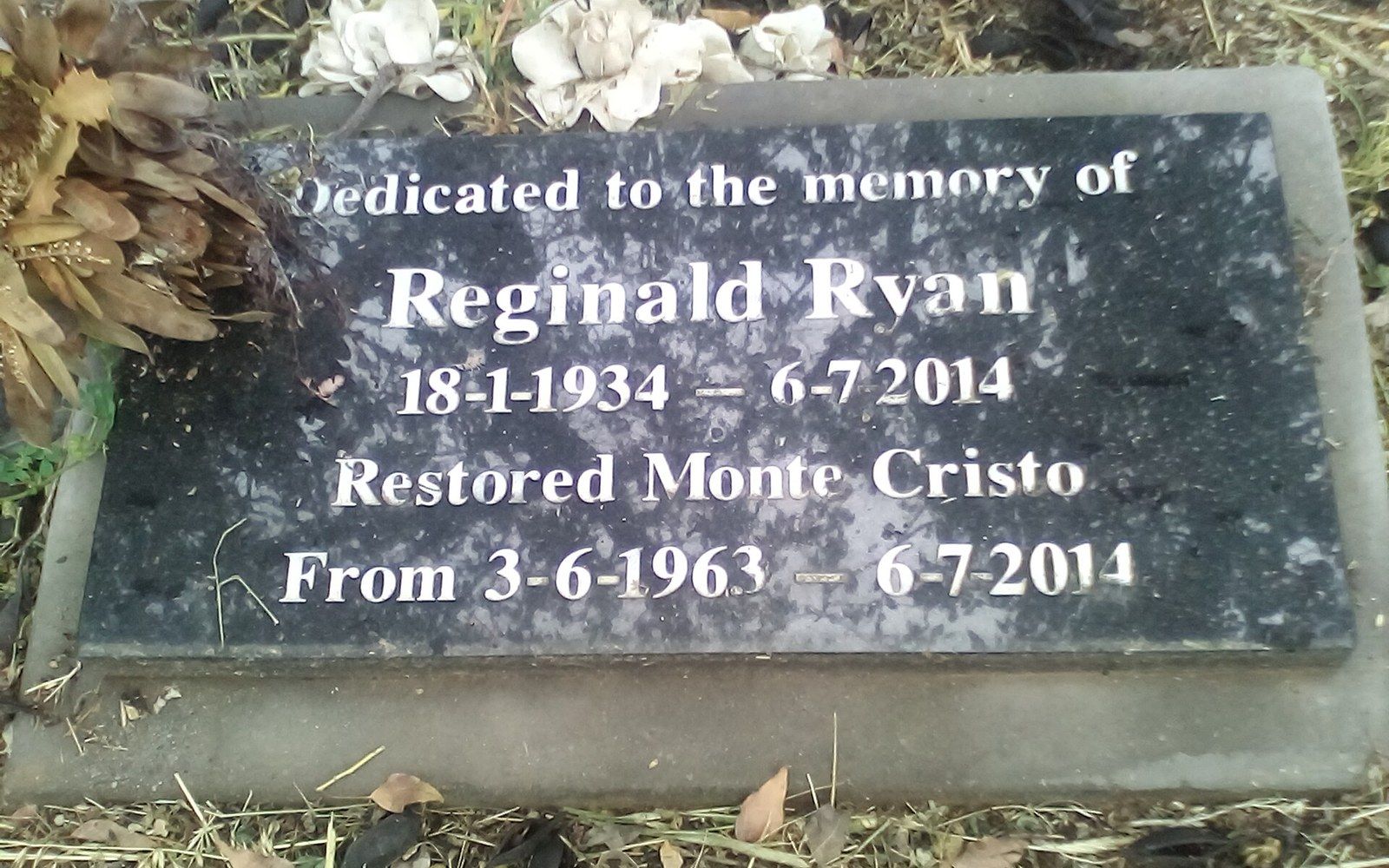
St Mark's Anglican Church, located in Picton itself, was consecrated in 1848, making it among the older surviving Anglican churches in the Macarthur region. The adjacent cemetery holds burials dating from the colonial period, and the interment records held by New South Wales State Archives ↗ document deaths from the waves of illness — typhoid among them — that moved through inland New South Wales communities throughout the latter half of the nineteenth century. Several named individuals in the cemetery register died in circumstances consistent with epidemic disease, a fact the tour operators cite, with varying degrees of accuracy, when constructing their narratives.
What the Tours Add
After-dark programmes at both sites have operated under several commercial banners since at least the 2000s, with guided lantern tours the standard format. Operators walk small groups through the tunnel by torchlight and conduct separate cemetery walks at St Mark's, linking the two stops into a single evening product. Tour commentary at the tunnel attributes unexplained sounds and visual anomalies to the deaths of railway workers during construction — a claim that some operators state as documented fact and others present as local legend. New South Wales State Archives contains the Main Southern Railway construction records from the relevant period, and those records do not support the specific fatality narratives most commonly repeated on tours. That gap between the archive and the script is typical of the industry nationally.
The cemetery tours are on firmer narrative ground, in the sense that the dead are named and the causes of death are, in many cases, a matter of record. What tour operators add is interpretation: the claim that particular graves are sites of residual or active paranormal phenomena, attributed on most tours to no source more specific than "local accounts" or unnamed prior investigators. The suggestion effect — the documented psychological tendency, studied by researchers including Richard Wiseman ↗, whereby individuals in a primed environment report experiences consistent with prior expectation — is not discussed in any tour material reviewed by this guide. Nor, in fairness, is it discussed on most ghost tours operating anywhere in Australia.
No operator at either site appears to hold, or to have applied for, formal endorsement from a heritage body in relation to the after-dark programme specifically, though access to the tunnel requires coordination with the relevant landholding authority. Australian Skeptics Inc., whose standing $100,000 challenge ↗ invites claimants to demonstrate paranormal ability under controlled conditions, has not been engaged by any Picton-area operator in a documented challenge attempt.
Both sites are genuinely worth the visit on documentary grounds alone. The tunnel is a significant piece of nineteenth-century civil engineering; the churchyard is a legible record of a colonial community's losses. The tour products draw on that weight without always acknowledging it. A visitor who reads the heritage register entry before buying a ticket will have a richer evening than one who arrives expecting the script to be the history.
More in Inland