One hundred thousand dollars, sitting on the table since 1980
The Australian Skeptics' $100,000 challenge — offered since 1980, never claimed — alongside the television formats, the Ofcom finding, the published science of suggestion, and the consumer equipment the hobby runs on.
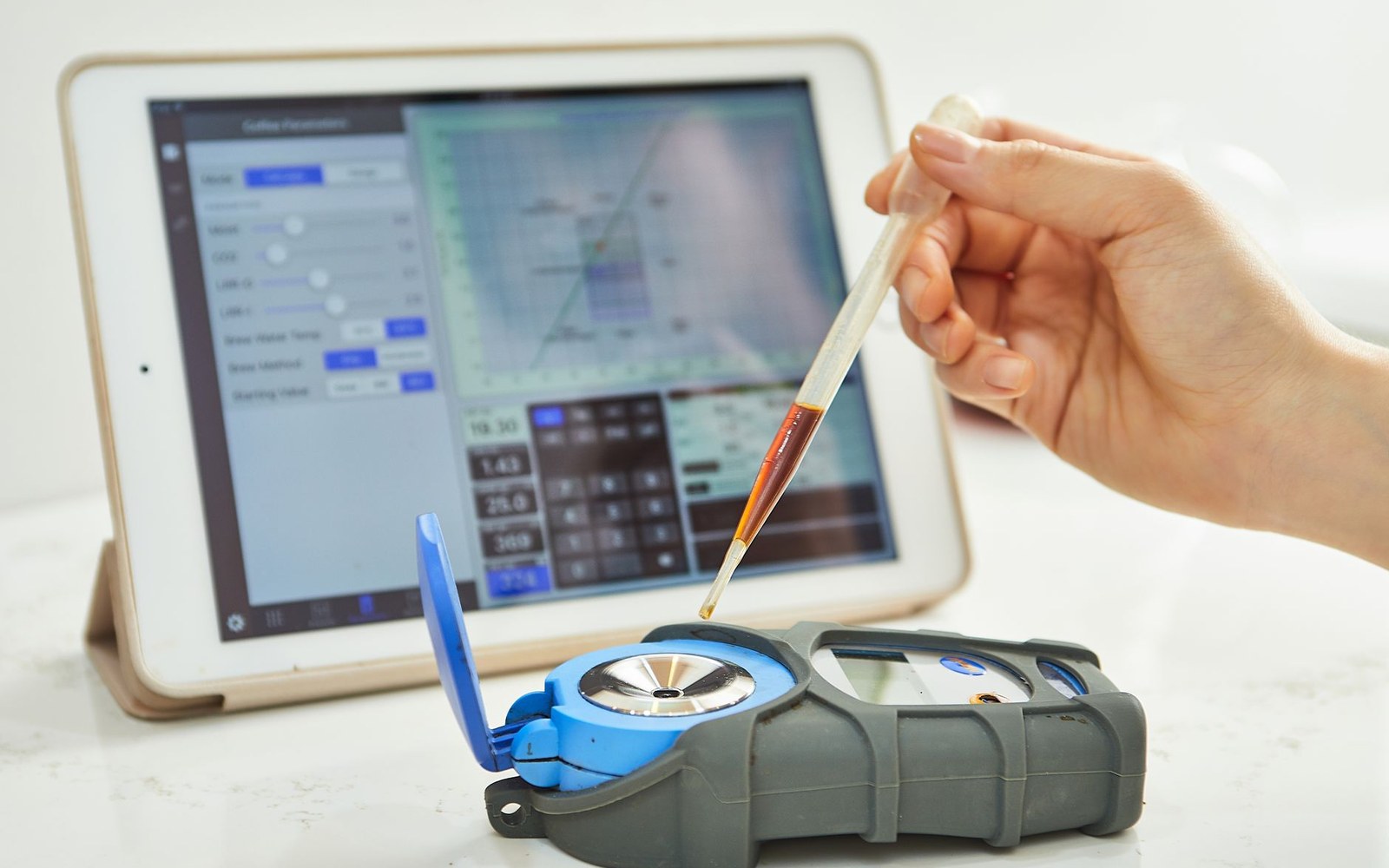
The challenge is administered as paperwork: an application, an agreed protocol, and a test both parties sign off before it runs.Photo: Pavel Danilyuk / Pexels
The challenge is administered as paperwork: an application, an agreed protocol, and a test both parties sign off before it runs.Photo: Pavel Danilyuk / Pexels
Documents the Australian Skeptics Inc. $100,000 challenge — its terms as published by Australian Skeptics, the testing protocols it has required of applicants, and the applications it has received since 1980 — without editorialising about what the unclaimed prize proves or does not prove. All figures and dates attributed to Australian Skeptics Inc. published documentation.
Covers the Australian Skeptics' Bent Spoon Award — established 1982, awarded annually to 'the perpetrator of the most preposterous piece of paranormal or pseudo-scientific piffle' — listing notable recipients and the reasoning published by Australian Skeptics Inc.
Documents the James Randi Educational Foundation's Million Dollar Challenge — its operational history, the formal testing process it ran, and its closure in 2015 — drawing on JREF published documentation and Randi's own stated reasoning.
Examines the 2014 Syfy Australia production Haunting: Australia — its format, the sites it filmed at (several of which are covered elsewhere on this site), its production company and broadcast history — and places it within the broader Ghost Hunters format-licensing economy that has produced localised versions across multiple territories since 2004.
Documents the UK series Most Haunted's 2005 Ofcom adjudication — the specific complaint, Ofcom's finding that the programme had misled viewers about the factual basis of its content, and the on-screen disclaimer Living TV subsequently added.
Examines Vic Tandy and Tony Lawrence's 1998 paper 'Ghosts in the Machine' published in the Journal of the Society for Psychical Research, which proposed that 19Hz standing waves (infrasound) could produce physiological effects including visual disturbances and unease.
Examines electromagnetic field meters as sold to the ghost-hunting hobby market — their actual specifications, what they measure (ambient electromagnetic fields from wiring, appliances and geological sources), and how their marketed purpose in a ghost-tour context compares with their engineering specification.