A Retail Arcade from 1885 That Trades Twice Over
A working retail arcade in central Adelaide sells goods during the day and ghost-tour tickets at night, using the same building for both.

What the Lease and the Lantern Share
The Adelaide Arcade opened in 1885, connecting Rundle Street and Grenfell Street through a covered retail passage lined with decorative ironwork and tessellated tile floors. It was built to a Victorian commercial arcade model fashionable in Britain and the Australian colonies during the second half of the nineteenth century, and it has operated continuously as a retail precinct ever since — one of the oldest covered shopping arcades in Australia still in its original use. The building is heritage-listed ↗ on the South Australian Heritage Register, which restricts structural alteration and requires approved conservation standards.
The arcade's documented history includes a workplace death that the after-dark programme draws on directly. Francis Cluney, the arcade's first caretaker, died in 1887 after becoming entangled in the machinery of the building's basement power plant — an electric dynamo that supplied the arcade's early lighting. The date and circumstances appear in the arcade's own published historical record and in South Australian newspaper archives of the period. Tour operators cite the incident as the origin of reported apparitions in the basement and lower levels, a leap the historical record does not itself make.
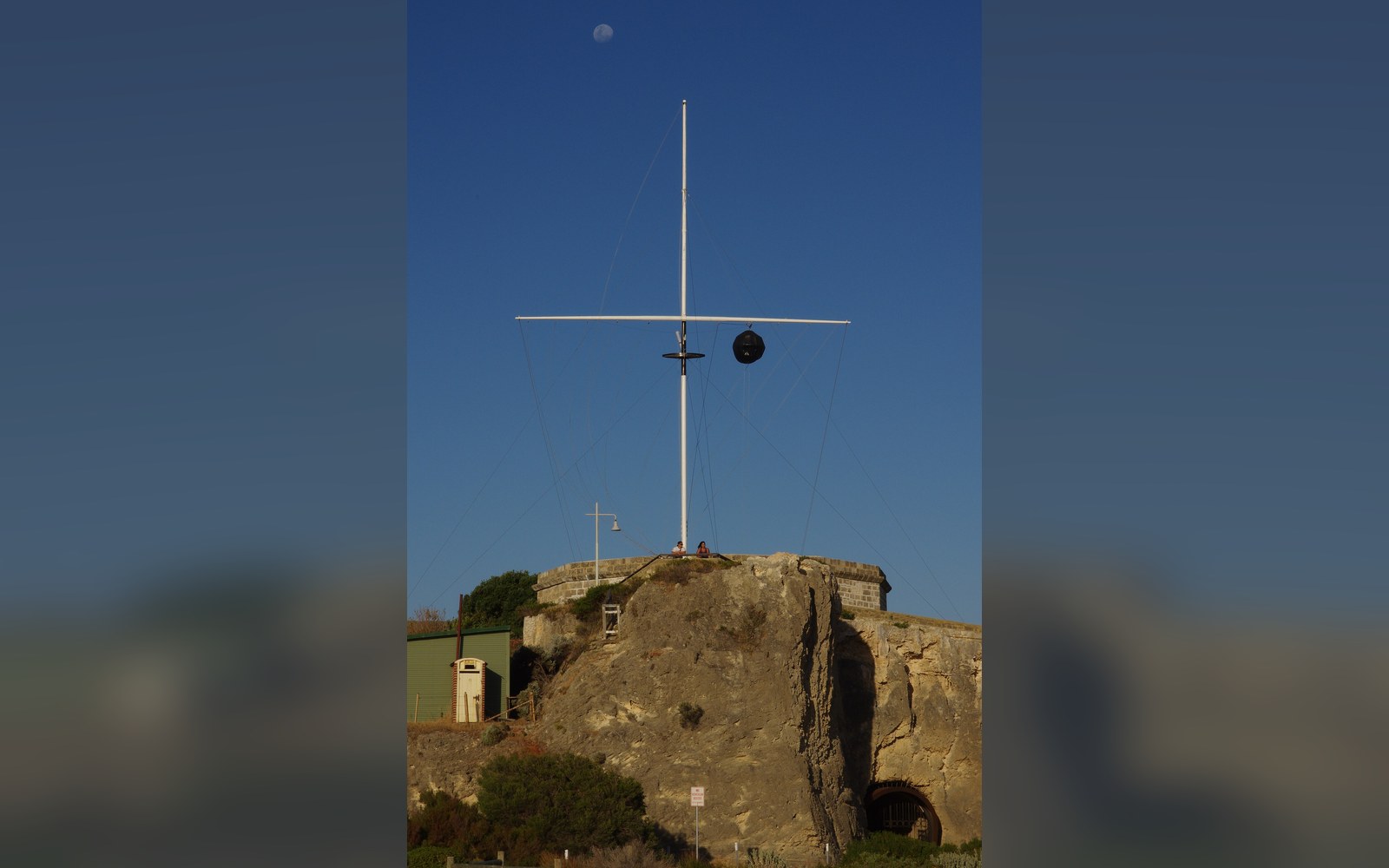
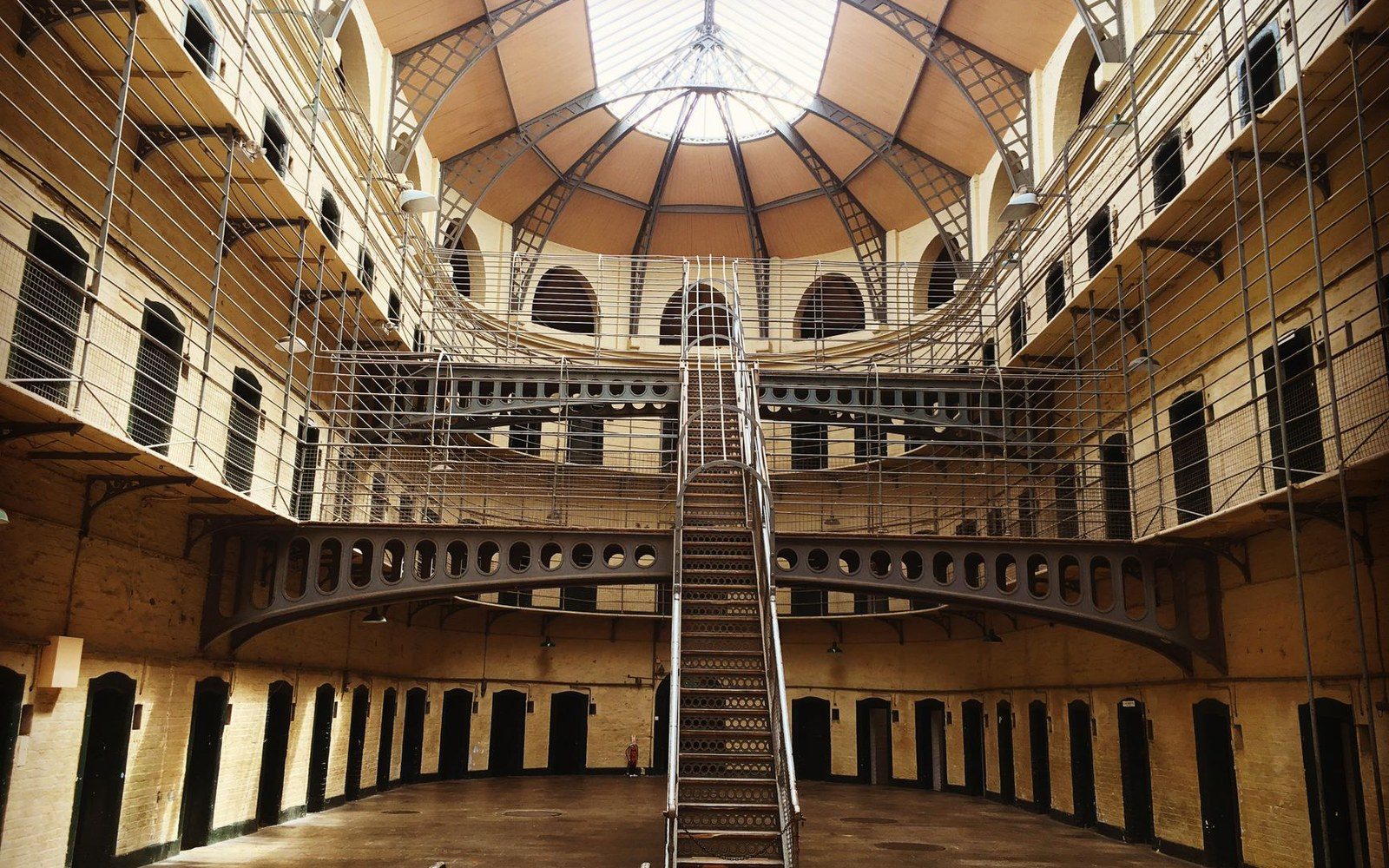
That gap — between documented event and narrated haunting — is characteristic of how the lantern-tour format works across Australian heritage sites. A fact is established; an experience reported by a later visitor is attached to it; the two become a single story told in the dark. The suggestion effect, documented in research by Richard Wiseman and Chris French, offers a psychological account of why visitors in primed environments reliably report sensations consistent with what they have just been told to expect.
The Adelaide Arcade's commercial position is unusual in the Australian ghost-tour landscape. Unlike Old Melbourne Gaol — a site whose primary contemporary function is heritage tourism — the arcade turns over retail revenue every weekday. The night programme runs after tenants close, threading tour groups through a space that will be selling jewellery and clothing again by nine the next morning. The building's heritage listing ↗ constrains what operators can install or alter in pursuit of atmospheric effect, keeping the experience closer to guided storytelling than theatrical production.
Whether that constraint is a limitation or a selling point depends on what the visitor wants. For those drawn to the tension between dark tourism ↗ as an academic category and retail heritage as a living thing, the Adelaide Arcade offers both — in the same address, on the same floors, separated only by the hour.
More in The Gaols