A Lantern, a Ruin, and a Product the Site Has Sold Since the 1980s
Port Arthur's ghost tour is older than most people assume, predates the heritage tourism boom, and now accounts for a meaningful share of the site's after-dark revenue — all without the Authority ever endorsing a single ghost story as true.
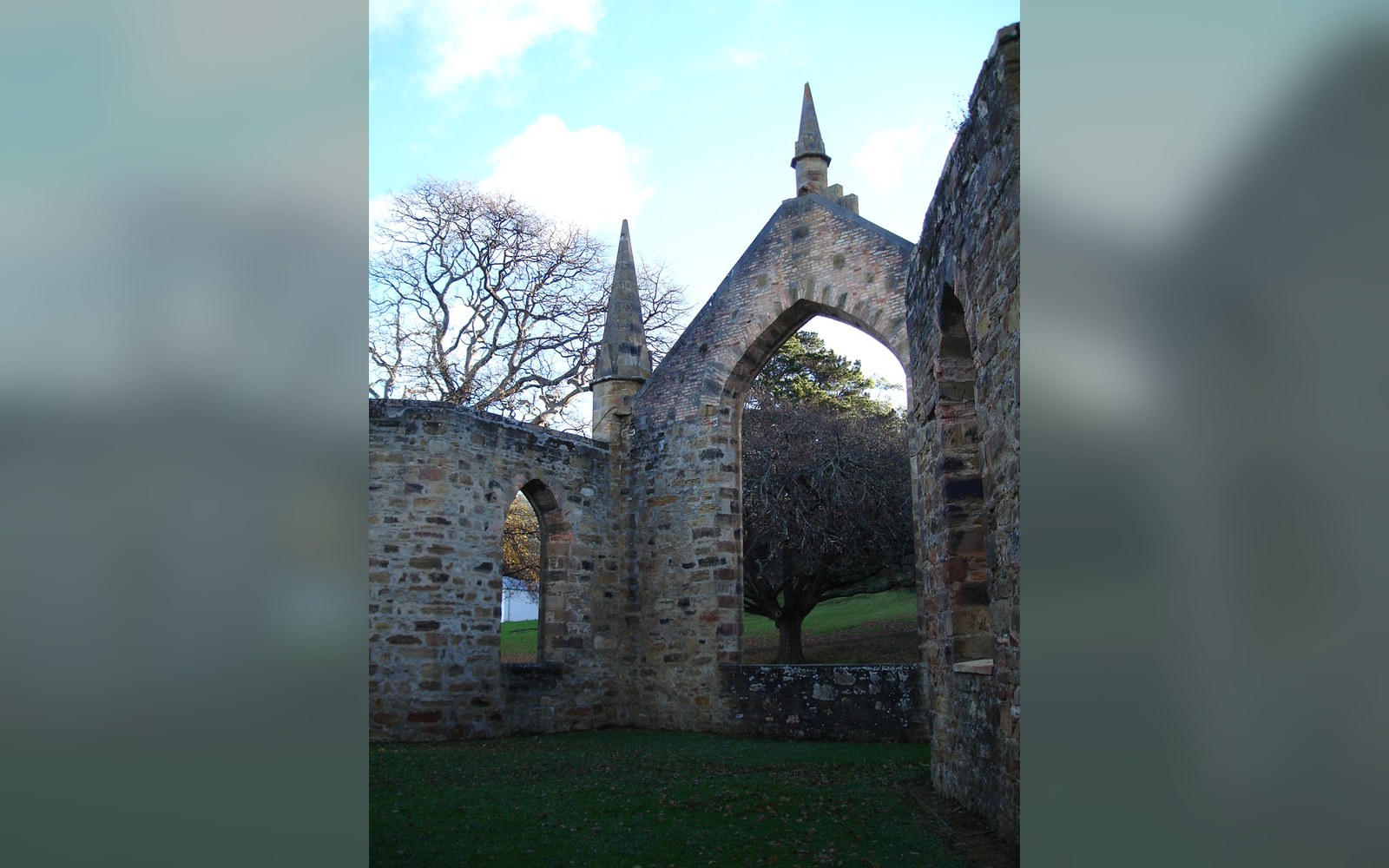
How a Penal Colony Became a Night-Time Product
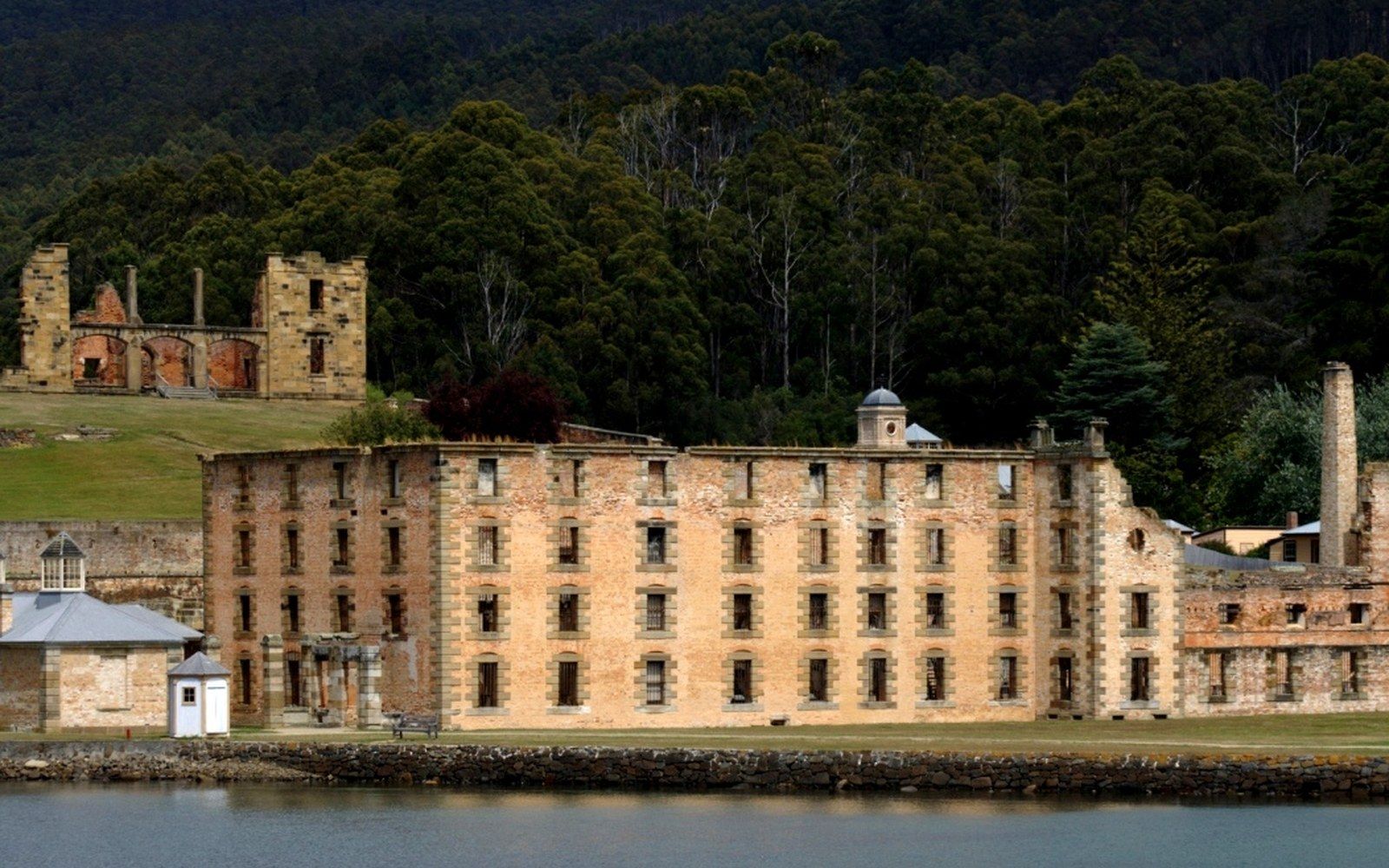
Port Arthur, on the Tasman Peninsula in southeast Tasmania, carries one of the most complete surviving records of convict transportation anywhere in the former British empire. The ruins of the church, the penitentiary, the asylum, and the Separate Prison — the silent-system facility completed in 1852 — stand across fourteen hectares of Heritage-listed ground that the Port Arthur Historic Site Management Authority has managed since the site's transition from municipal curiosity to formal tourist destination. The Australian Convict Sites, Port Arthur among them, received UNESCO World Heritage designation in 2010, and the heritage listing itself imposes strict conditions on how the grounds may be used and altered.
The ghost tour, in some form, has been running since the 1980s — making it older than both the World Heritage designation and the Authority in its current statutory form. Exactly when the first structured after-dark walk was offered to paying visitors is not publicly pinned to a single date in Authority documentation, but site management has acknowledged the tour's origins in that decade in its own promotional and interpretive materials. That longevity is commercially significant: it means the product has been refined, dropped, revived, and repriced across four decades, accumulating an audience that now expects it as a standard part of any Port Arthur visit.
The format is a lantern tour — a commercially structured after-dark programme in which guides carry lanterns and narrate stories associated with the site's documented and legendary histories. The distinction between those two categories is not always audible to a visitor walking through the dark near the roofless church, but the Authority is careful in its own published language to frame the tour as a storytelling experience rather than an investigation. No paranormal verdict is offered; the site's interpretation team works within the historical record produced by the Tasmanian Archive and Heritage Office ↗ and similar repositories.
What the Walk Actually Involves
The standard programme begins after the site closes to daytime visitors. Groups — capped in size to maintain atmosphere and manageable staffing ratios — are led through selected sections of the ruins under lantern light. The route typically takes in the church ruins, the penitentiary precinct, and areas of the grounds that have accumulated the highest volume of visitor-reported stories over the decades. The asylum building, constructed in the 1860s and used as a town hall after the convict era ended, is a recurring stop.
Guides are trained site staff or contracted interpreters, not paranormal investigators. The stories they narrate are sourced from a combination of documented institutional history and the accumulated oral tradition of the site — the latter being a layered and internally inconsistent body of material that the Authority treats as cultural and heritage data rather than as evidence. The lantern itself is both a practical lighting tool and an explicit signal that visitors have crossed into a different mode of engagement with the site: less museum, more theatre.
Pricing has moved over the years in line with the general inflation of heritage tourism products across Australia. As of figures published by the Authority in recent years, the ghost tour commands a premium over the standard daytime entry, which is consistent with the after-dark model used at comparable sites including Old Melbourne Gaol and the Q Station at North Head. The tour is not included in standard entry tickets and must be booked separately, a structure that allows the Authority to manage group size, staffing costs, and the public liability insurance requirements that govern any after-dark access programme at a heritage site.
The Authority's annual reporting documents visitor numbers across the site's suite of programmes, and the ghost tour consistently appears as one of the stronger-performing after-dark products in the Tasmanian heritage tourism calendar. Precise annual attendance figures by individual programme are not disaggregated in every public report, but the overall after-dark visitation trend has been upward in the years before the disruption of the COVID-19 pandemic, with recovery evident in post-2022 reporting.
The Gap Between the Story and the Record
The ghost tour's endurance raises a genuine question about what exactly it is selling. The documented history of Port Arthur is, by any measure, extraordinary on its own terms: roughly thirteen thousand convicts passed through the settlement between its establishment in 1830 and its closure in 1877, and the institutional records held by the Tasmanian Archive and Heritage Office include prisoner files, conduct registers, medical records, and the correspondence of successive commandants. That material, rigorous and often grim, could sustain a night-time interpretation programme without recourse to a single ghost story.
The ghost stories exist anyway, and have since the settlement's own operational period. Nineteenth-century press accounts from Tasmanian newspapers record visitor reports of unease and apparition from the ruins even before the site was formally opened to tourists. The Authority has not invented the tradition; it inherited it and chose to offer it commercially rather than suppress or ignore it.
What the Authority does not do is claim the stories are true. This is not a subtle distinction in marketing terms — it is an explicit one. The tour is framed as a storytelling and atmospheric heritage experience, and the word "ghost" in the product name operates as a genre signal rather than a factual assertion. This framing matters because it insulates the site from the kind of regulatory scrutiny that caught the UK television series Most Haunted in its 2005 Ofcom adjudication, when on-screen claims of genuine paranormal evidence were found to breach broadcast standards.
The sceptical literature on sites like Port Arthur is consistent. Researchers including Richard Wiseman and Chris French have documented the suggestion effect — the well-established psychological phenomenon whereby visitors in a primed environment report experiences consistent with prior expectation — across multiple heritage-site studies. The Australian Skeptics Inc. has maintained its standing $100,000 challenge for demonstrated paranormal phenomena without a successful claimant. Neither the Authority nor independent researchers have produced peer-reviewed evidence that Port Arthur is paranormally active by any operational definition of that term. What the research does confirm is that human beings in dark, historically charged environments, expecting something, very frequently report something — and that the gap between the report and the event is wide and well-documented.
The Authority sits comfortably in that gap. It sells the atmosphere, the history, the darkness, and the accumulated weight of stories told about this place for nearly two centuries. The lantern is not a scientific instrument. It is a prop with excellent heritage credentials, and it has been doing steady commercial work at Port Arthur since before most of the current tour staff were born. That is, by the standards of Australian heritage tourism, a considerable run.
More in Peninsula