The North Head Cemetery and the Gap Between the Register and the Story
What the quarantine station's interment record shows, and where the commercial narrative departs from it.
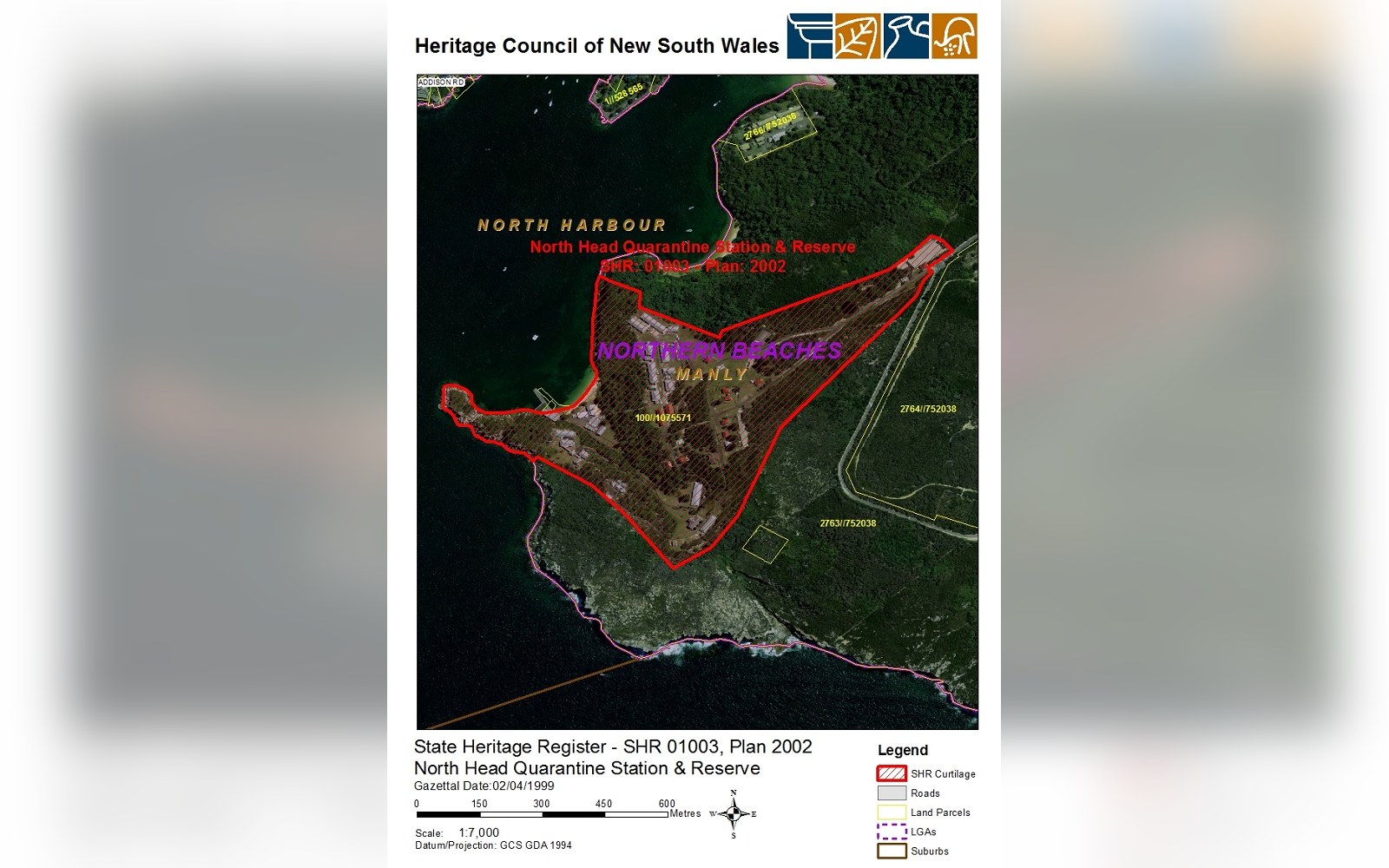
What the Register Actually Contains
The North Head Quarantine Station cemetery, set on a sandstone headland above Sydney Harbour, holds the remains of people who died before they could enter the colony. The New South Wales State Archives holds the interment records for the station, which operated from 1828 until its closure in 1984 — more than a century and a half of arrivals processed, assessed, and in some cases buried. The register documents names, ship names, stated causes of death, and dates, though coverage is uneven across the earlier decades and gaps appear where record-keeping lapsed or was never formalised.
The majority of recorded deaths at the station are attributed to infectious disease: smallpox, typhoid, influenza, and the waves of illness that arrived with migrant ships in the nineteenth and early twentieth centuries. The cemetery register held by NSW State Archives ↗ documents individual burials, and the site's own heritage interpretation, maintained by Q Station — the commercial operator that now runs the precinct — acknowledges the register's limitations openly. What it records is sobering but not, by the standards of the era, extraordinary: people died of communicable disease in an era before antibiotics, in circumstances of crowding and long sea voyages.
Where the Tour Narrative Diverges
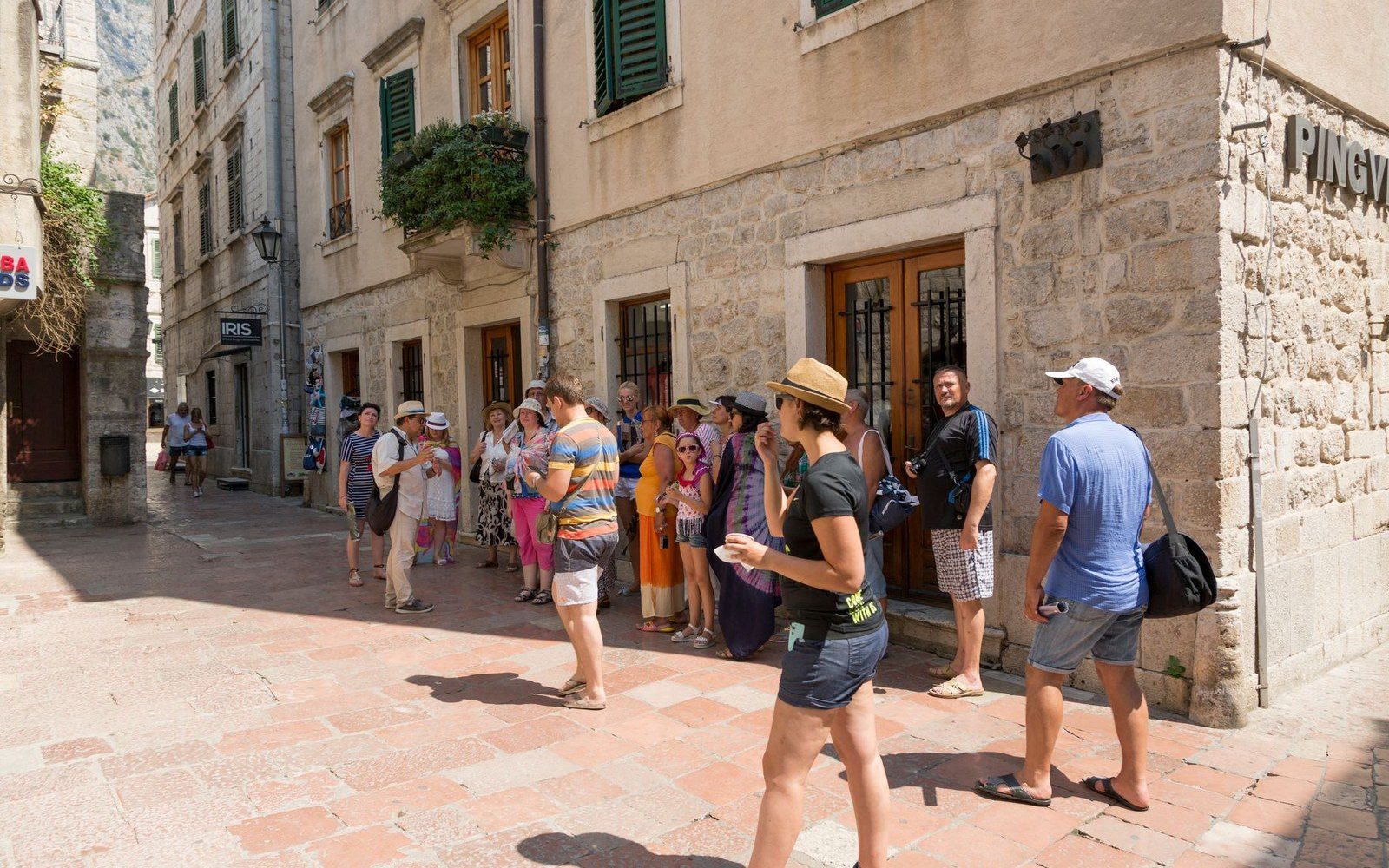
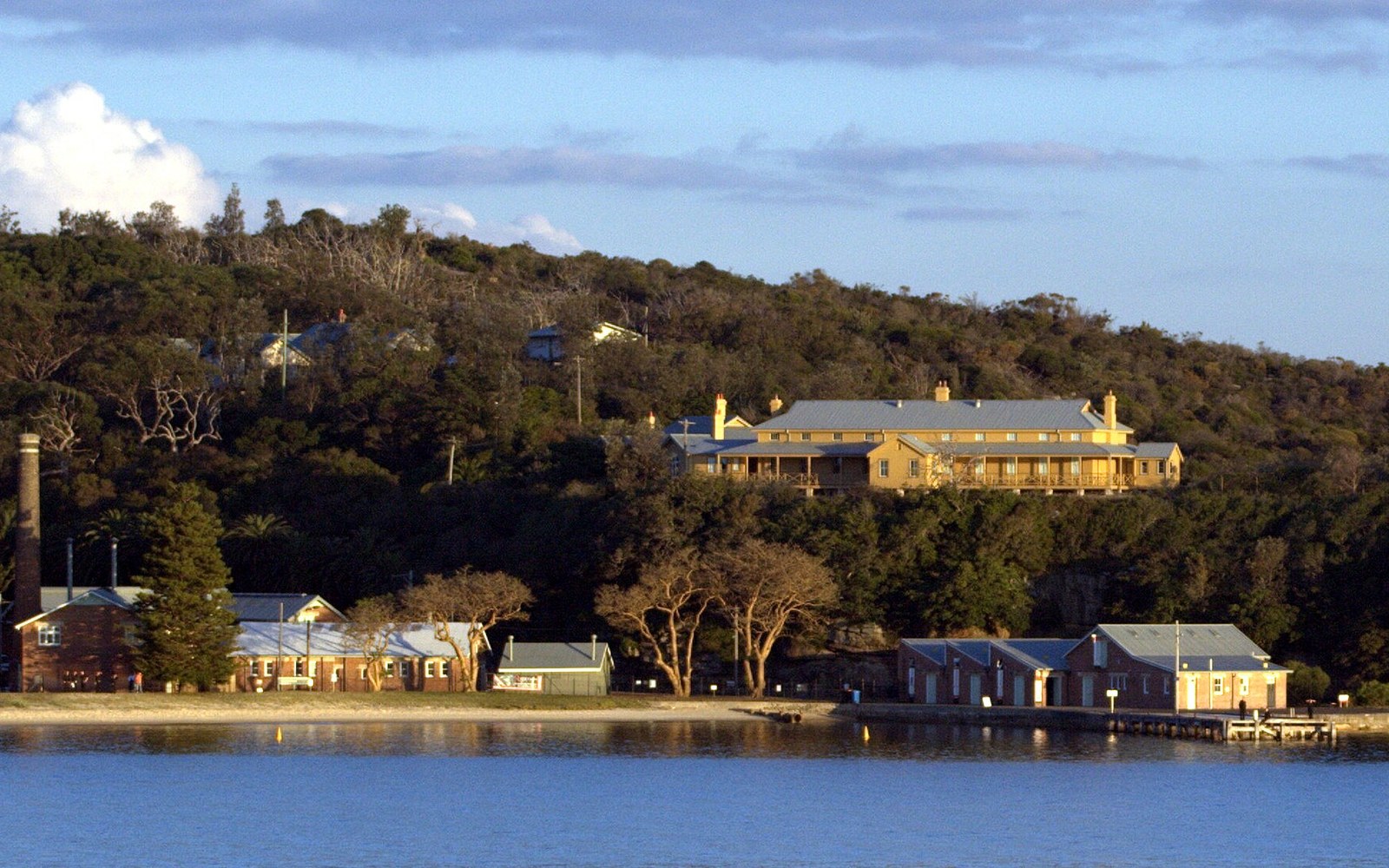
Q Station operates ghost tours and accommodation on the site, trading on a heritage that the New South Wales Heritage Office listing ↗ designates as one of the best-preserved quarantine stations in the Southern Hemisphere. The after-dark programme is commercially successful, and the stories it circulates are more vivid than the register tends to support.
Tour narratives at sites of this kind have a documented tendency to compress time and aggregate suffering. The suggestion effect, studied by psychologists including Richard Wiseman and Chris French, holds that visitors primed with atmospheric narration and expectation are measurably more likely to report anomalous sensory experiences — sounds, cold patches, visual disturbances. The cemetery is the centrepiece of the night programme, and guides characterise it as a site of particular psychical intensity. What the register shows is something more mundane: most of the dead have names, ship affiliations, and attributed causes. They are not anonymous multitudes; they are individuals who can be cross-referenced against shipping records held by NSW State Archives and equivalent repositories.
The tension is not that the cemetery is undramatic — death by quarantine disease, separated from family, at the edge of a new continent, is genuinely affecting. The tension is that the commercial frame inflates ambiguity into evidence. Pareidolia in visitor photographs, unexplained audio on recordings, and sensory responses in the dark are presented as suggestive, when the documented psychological literature treats them as predictable outputs of suggestion-primed environments. The North Head Quarantine Station Cemetery ↗ article on Wikipedia summarises the site's operational history without attributing paranormal significance to the interment record.
A further gap: the tour's framing frequently invokes unnamed or unidentified dead, which heightens emotional resonance but is not always consistent with the archival record, which is more complete than the performance implies. Heritage scholars working in the dark tourism framework developed by John Lennon and Malcolm Foley have noted that ghost-tour operators across multiple continents routinely elevate uncertainty in the historical record into an ingredient of the product, rather than a limitation to be acknowledged.
The North Head site is not unusual in this respect — it is representative. What makes it worth examining directly is that the register exists, the gaps in it are documentable, and the distance between source and story is therefore measurable rather than merely suspected. That distance, in this case, is not vast. But it is real, and the visitor standing in the cemetery at night deserves to know both things.
More in Headland