The 1852 Separate Prison and What the Convict Record Actually Shows
A building designed for silence now earns its revenue from stories — some of which the archive supports, and some of which it does not.
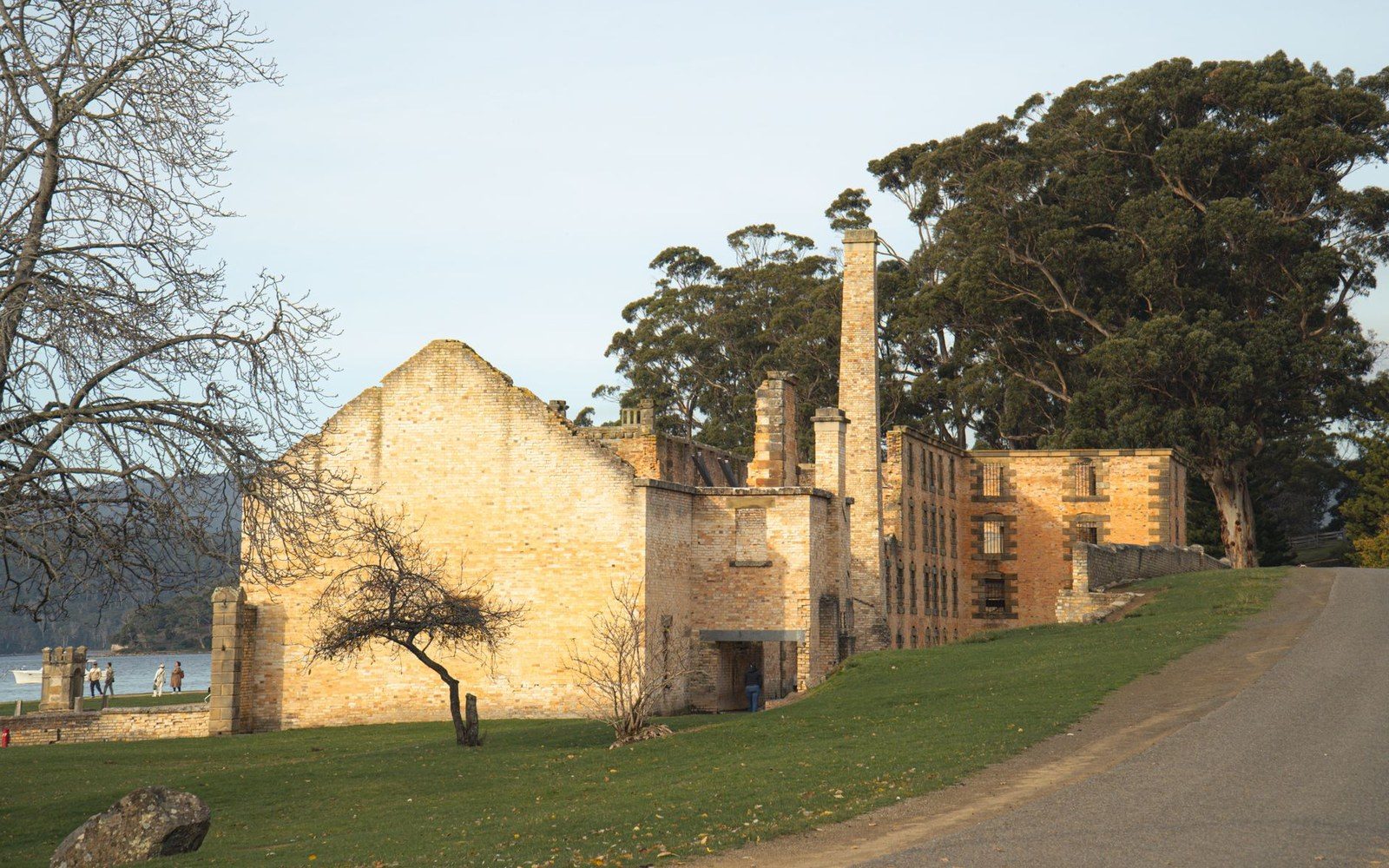
What the Structure Was Built to Do
The Separate Prison at Port Arthur was completed in 1852, construction having begun in 1848 on a design derived from Pentonville Prison in London. It was purpose-built to house convicts under the separate system — a reformative philosophy that replaced the lash with enforced silence and solitary confinement. Prisoners walked the exercise yards in hoods. Chapel attendance meant sitting in individual wooden stalls, each man invisible to his neighbours. The Separate Prison sits within the broader Port Arthur Historic Site, today a UNESCO World Heritage Site ↗ as part of the Australian Convict Sites inscription.
The logic of the separate system held that isolation would prompt reflection and rehabilitation. The documented outcomes suggest otherwise. The Tasmanian Archive and Heritage Office holds conduct and indent records — the shipping and assignment documents that tracked individual convicts through the system — and those records show repeated readmissions to punishment cells, escalating disciplinary infractions, and a measurable incidence of mental collapse among men held under the regime for extended periods.
What the Archive Contains and Where the Night Tour Departs
The Port Arthur Historic Site Management Authority draws on genuine archival material when it presents the Separate Prison to visitors. Names, offences, and sentences are real; the indent records are publicly accessible through the Tasmanian Archive and Heritage Office ↗, and researchers have cross-referenced them with the site's own interpretive database. Deaths that occurred within the facility are documented: cause, date, and in many cases the presiding medical officer's notes. These records confirm that the conditions of the separate system caused measurable psychological harm — that much the archive supports plainly.
Where tour narratives begin to move beyond the record is in the attribution of specific experiences — sounds, sensations, visual anomalies — to specific individuals from that documented history. A prisoner's name may be accurately drawn from an 1850s conduct register, his infractions faithfully described, and yet the claim that his presence is felt in a particular cell remains an assertion the archive neither supports nor could support. The Separate Prison's chaplain records and medical returns are detailed; they contain no category for haunting.
Research by psychologists including Richard Wiseman and Chris French into suggestion effects in heritage environments is relevant here. Studies in comparable settings have found that visitors briefed on a location's distressing history report anomalous experiences at significantly higher rates than control groups — a pattern that fits the Separate Prison's tour structure precisely, where the architecture, the narration, and the darkness work together before any anomaly is reported. The psychological literature describes this as the suggestion effect, not as evidence of anything further.
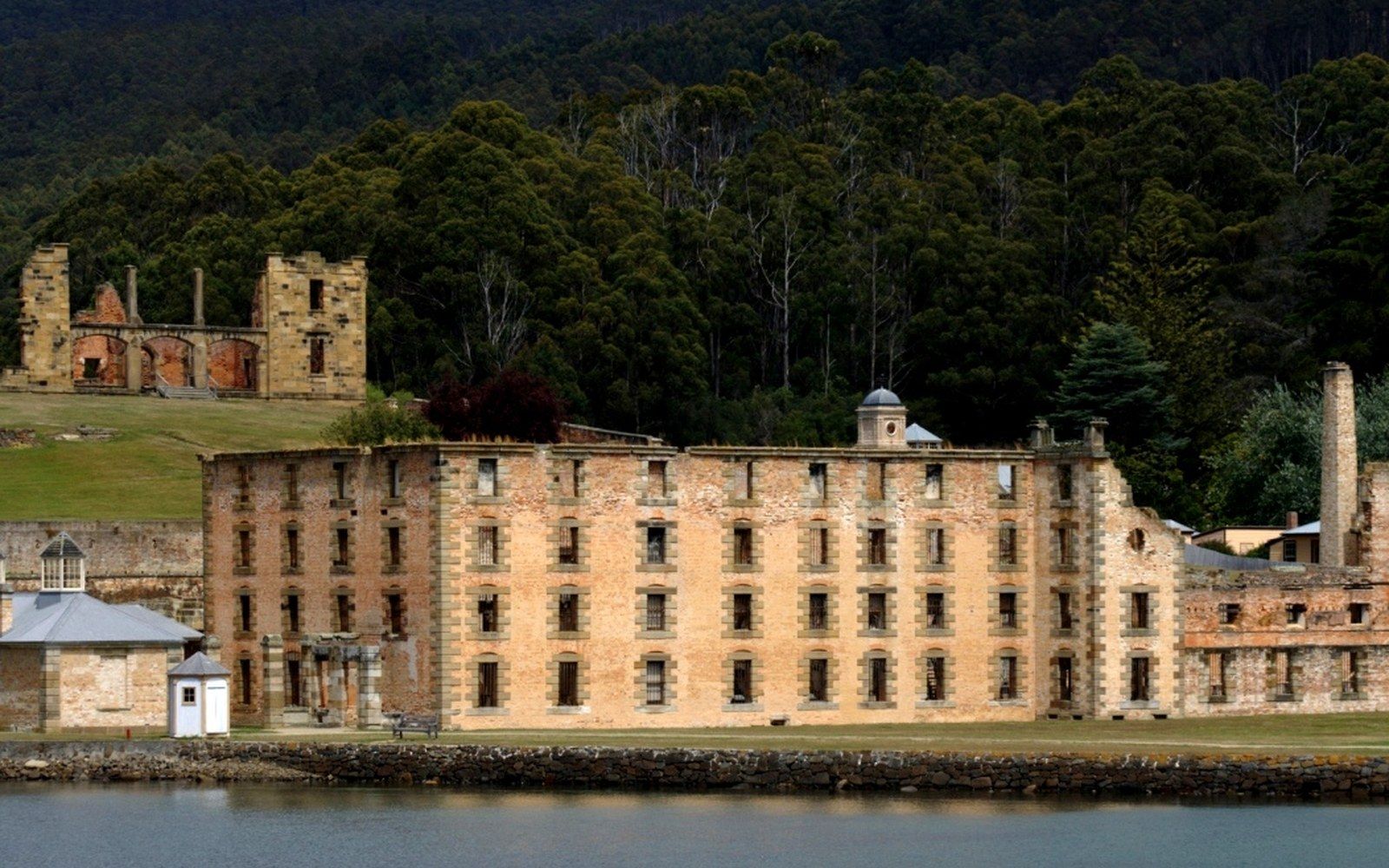
The distinction matters because the site operates within a heritage framework that takes its archival credibility seriously. The Port Arthur Historic Site Management Authority is not a commercial ghost-tour operator of the Junee or Picton variety; it is a statutory body responsible for a World Heritage property, and its interpretive standards are theoretically accountable to that status. The night programme is a significant revenue line — visitor figures across the site show the after-dark product consistently outperforming day-tour equivalents on a per-head revenue basis — and the tension between archival integrity and commercial storytelling is structural, not incidental.
The Separate Prison is a genuinely disturbing building. The cell dimensions, the peepholes, the padded rooms recorded in the institution's own returns: none of that requires embellishment. The convict record shows men broken by a system designed, its architects believed, to save them. That documented history is more than sufficient for a dark-tourism product. The question the archive quietly poses is whether the stories told in the dark stay inside what the records can bear.
More in Peninsula