Fourteen Hectares of Quarantine Station, and the Cemetery the Tours Walk Past
The Q Station at North Head holds a documented history of disease, isolation and institutional order. The after-dark programme came later.
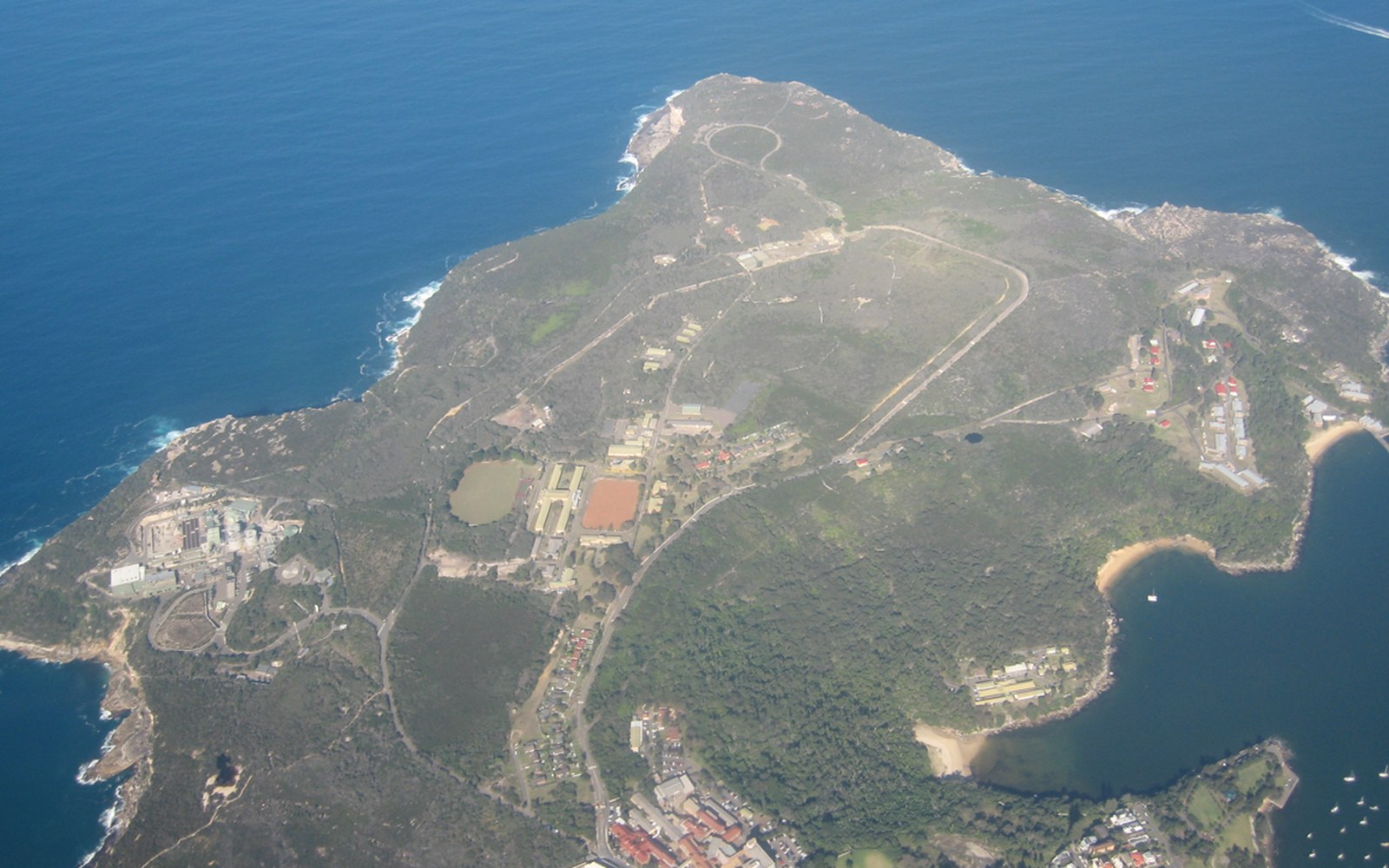
A Government Installation Built for Fear of What Ships Carried
The North Head Quarantine Station occupies a sheltered cove on the southern arm of North Head, the sandstone headland that forms the northern jaw of Sydney Harbour. Its position was deliberate: far enough from the colonial settlement to contain the threat, close enough to be administered by it. The station's operational history begins in 1828, when the New South Wales colonial government formally designated the site for the detention of arriving passengers suspected of carrying infectious disease — smallpox, typhoid, cholera, bubonic plague, influenza — the rotating catalogue of contagion that nineteenth-century maritime traffic reliably delivered to port cities.
For more than 150 years the station processed thousands of people who had done nothing wrong beyond arriving on the wrong ship at the wrong time. New South Wales State Archives ↗ holds the quarantine registers documenting these detentions: names, vessel names, ports of embarkation, diagnosed conditions, and, in the cases that ended worst, dates of death. The registers are not dramatic documents. They are administrative ones, and that is precisely what makes them useful. They record a place that functioned, that had rules, that kept accounts of the people who passed through it and the ones who did not pass out.
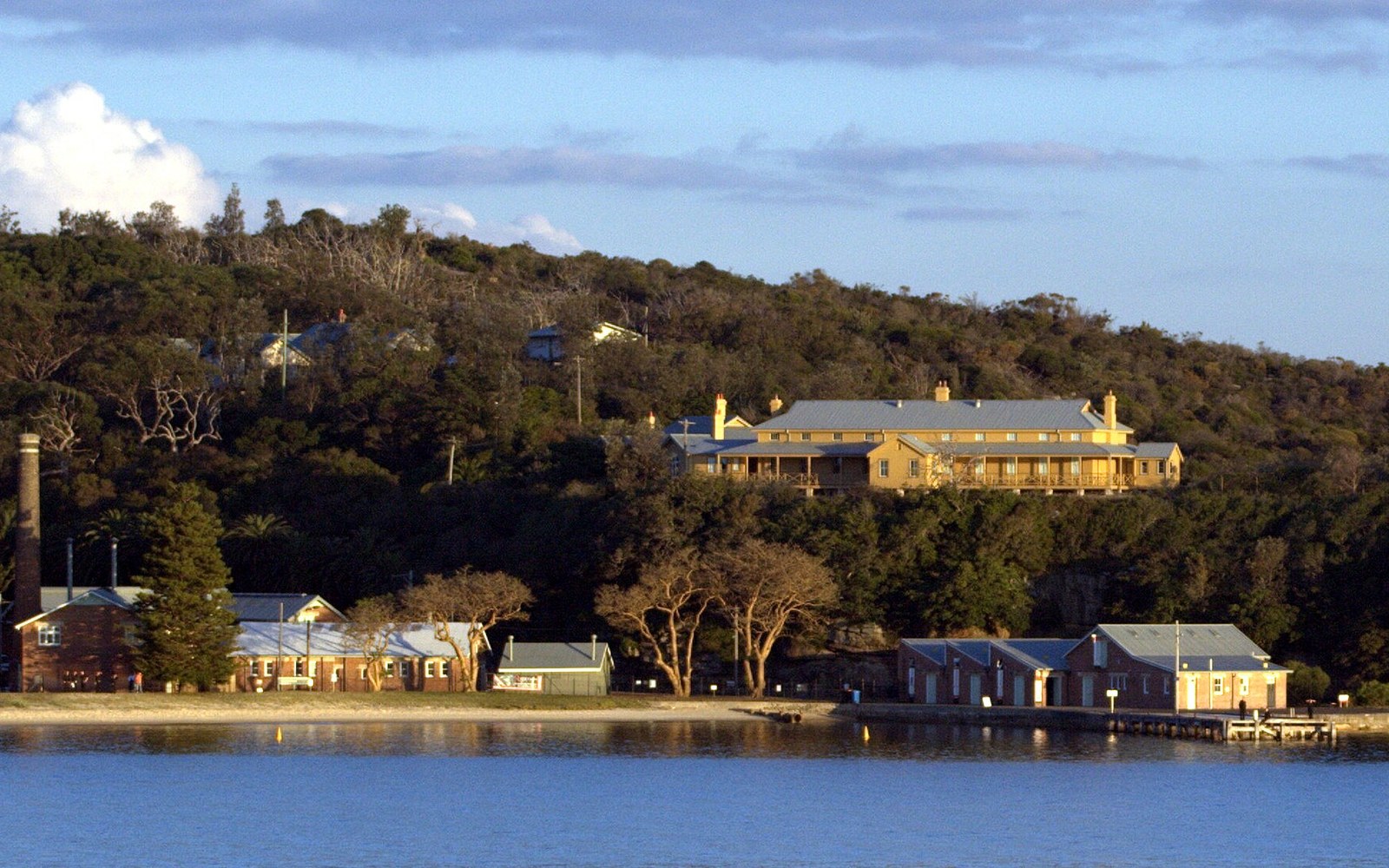
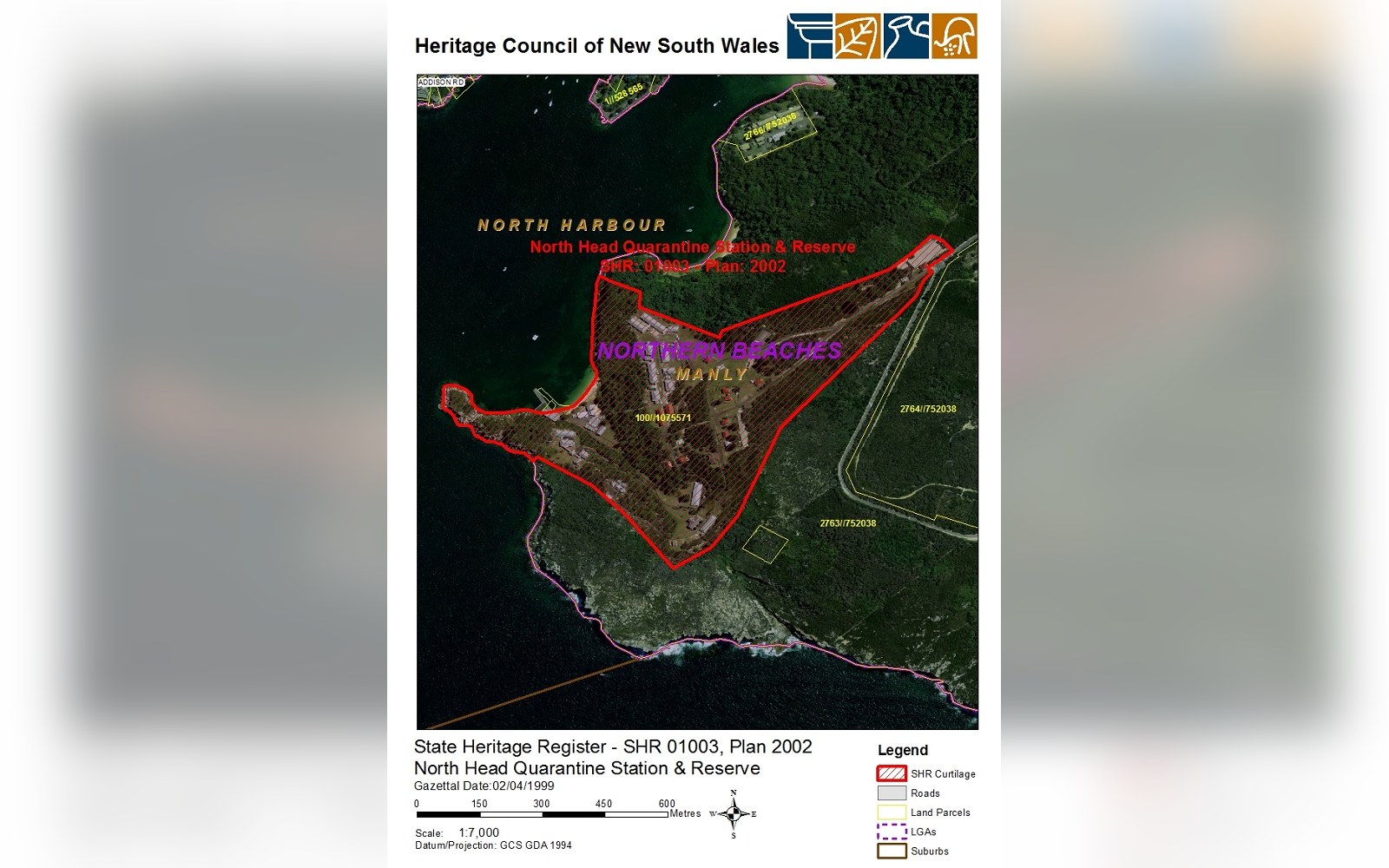
The physical plant grew accordingly. At its peak the station comprised more than fifty structures across the site's roughly fourteen hectares: hospital buildings, a shower and fumigation block, a first-class precinct for passengers wealthy enough to be miserable in relative comfort, a third-class precinct for those who were not, staff quarters, a wharf, and the cemetery that the night tour now walks past on its way to somewhere else. The infrastructure reflected the station's dual purpose — genuine public health containment, and the class hierarchies the colonial administration saw no reason to suspend simply because someone was sick.
The station's last operational period of intensive use came during the 1918–19 influenza pandemic, when returning troop ships placed the facility under pressure it had not experienced since the plague years at the turn of the century. The National Museum of Australia's summary of the 1919 influenza quarantine ↗ notes the scale of the national response, of which North Head was a significant part. The station continued in reduced operation until 1984, when the National Health and Medical Research Council formally ceased its quarantine function. Management of the site passed to the NSW National Parks and Wildlife Service, and the headland became part of Sydney Harbour National Park.
What the Cemetery Actually Contains
The North Head Quarantine Station Cemetery sits above the cove, modest in scale and in headstone. The documented interment record at North Head ↗ reflects the demography of the station itself: passengers and crew, disproportionately from the nineteenth century's heaviest outbreak periods, with children among the dead in numbers that register sharply against modern expectations. Precise interment counts vary across sources, but the cemetery contains graves from multiple epidemic periods and spans over a century of station operation.
What the record does not support is the amplified mortality that after-dark narration sometimes implies. The station was, by institutional design, a place that tried to prevent death — successfully in most cases, because most detainees were precautionary holds rather than confirmed cases. The patients who died there died of disease, sometimes of the disease they arrived carrying, sometimes of secondary infection. Their deaths are recorded, and most of them are named.
Several sandstone carvings on the rock faces near the wharf precinct — made by detainees who had no other outlet for the time that quarantine imposed — remain visible. They are among the more humanising details the site offers, and the NSW Heritage Office's listing of the station acknowledges them as part of the cultural significance of the place. They are evidence of ordinary people enduring an extraordinary and frightening imposition. They are not haunted. They are historical.
What the After-Dark Programme Makes of All This
The site relaunched as a commercial hospitality and heritage venue in the early 2000s under the operating name Q Station, with accommodation in the refurbished historic buildings and a structured after-dark programme. The Q Station ghost-tour product as it now runs is one of the more elaborately staged in the New South Wales market: ticketed, guide-led, narrative-heavy, and sold against the density of stories the site's history makes available.
The programme is frank about being a commercial product. It sells atmosphere — the long-closed hospital corridors, the fumigation block with its industrial ironwork, the cemetery in lamplight — and it sells story. The stories attach to real places and real events: a particular ward where patients died, a particular stretch of ground where children are buried. The gap that matters to anyone reading the primary sources is between the documented specificity of those events and the layer of interpreted experience that the tour constructs around them.
Richard Wiseman, whose research on suggestion effects in primed environments has been published in peer-reviewed journals, has documented the mechanism by which people in frightening or expectation-laden settings report experiences consistent with what they have been primed to expect. The suggestion effect — whereby a guide narrates a history and a participant subsequently feels or perceives something — does not require any paranormal explanation, and Wiseman's work does not assert one. It describes a reliable, ordinary feature of human cognition operating in a managed environment.
The Australian Skeptics Inc. has maintained its standing challenge — currently set at $100,000 ↗ for demonstrable paranormal evidence under controlled conditions — since 1980. No claim originating from a ghost-tour site in Australia, North Head included, has resulted in a formal application meeting the challenge's evidential terms.
None of this removes the Q Station from the heritage conversation. The site's physical fabric is genuine, its documented history is substantial, and the operator's investment in maintaining the precinct has preserved structures that might otherwise have deteriorated. What a responsible reading of the record establishes is the order of events: first came the history, dense with documented human suffering and bureaucratic order; then came the tour, which selected from that history and arranged it into a narrative the market would purchase.
The cemetery the tours walk past contains people who were detained under public health law, who died far from home, and whose names are in a register in the NSW State Archives. That is not a thin story. It is a complete one, and it was complete before any guide lifted a lantern on it.
More in Headland