Boggo Road Survived Demolition Because the Tours Kept Selling
A women's gaol built in 1903 came within a vote of the wrecking ball. The heritage register saved it, and the night tours kept arguing for its value.
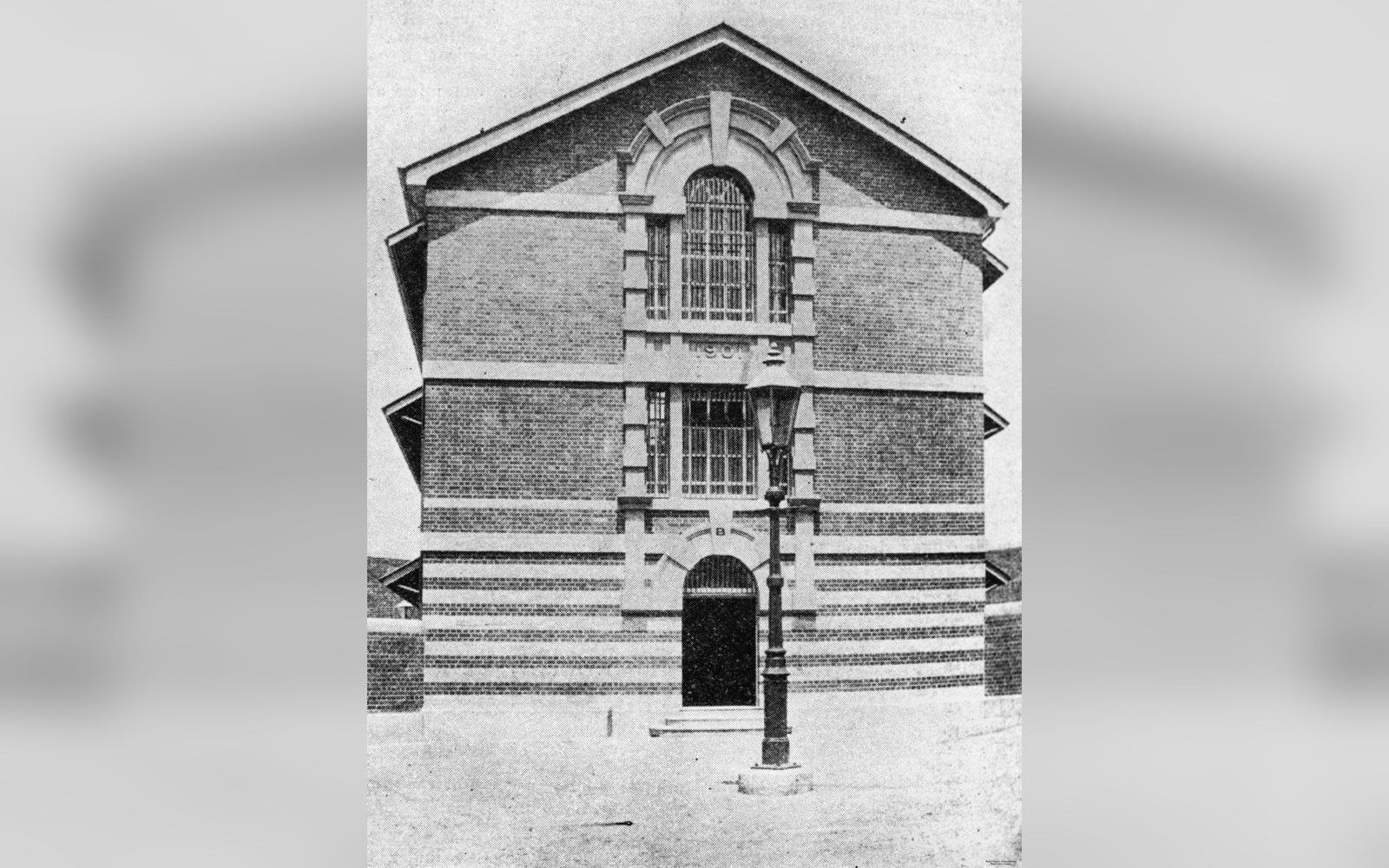
Division 2 and the Case Built Around It
Boggo Road Gaol sits in Dutton Park, a suburb of inner Brisbane, on a site that housed Queensland's primary metropolitan prison from 1883 until the facility's final closure in 1992. By then it comprised two divisions: Division 1, the men's gaol built in 1883, and Division 2, completed in 1903 and used from 1903 to 1972 as a women's prison before reverting to male prisoners. When the Queensland government withdrew its corrections operations and began weighing the site's future, Division 1 was demolished. Division 2 was not — a distinction that turned on a combination of listing status, community advocacy, and the demonstrable capacity of the building to generate visitor revenue.
The site's heritage protection derives from its entry on the Queensland Heritage Register ↗, which formally recognised the cultural significance of the Division 2 precinct. That listing imposed constraints on demolition that required the government to actively seek an alternate path rather than simply proceed with clearance. It did not, on its own, guarantee survival — heritage listings in Queensland set a threshold for decision-making, not an absolute prohibition — but it shifted the burden of argument. Proponents of demolition had to demonstrate that no viable alternative use existed. Opponents of demolition had to provide one.
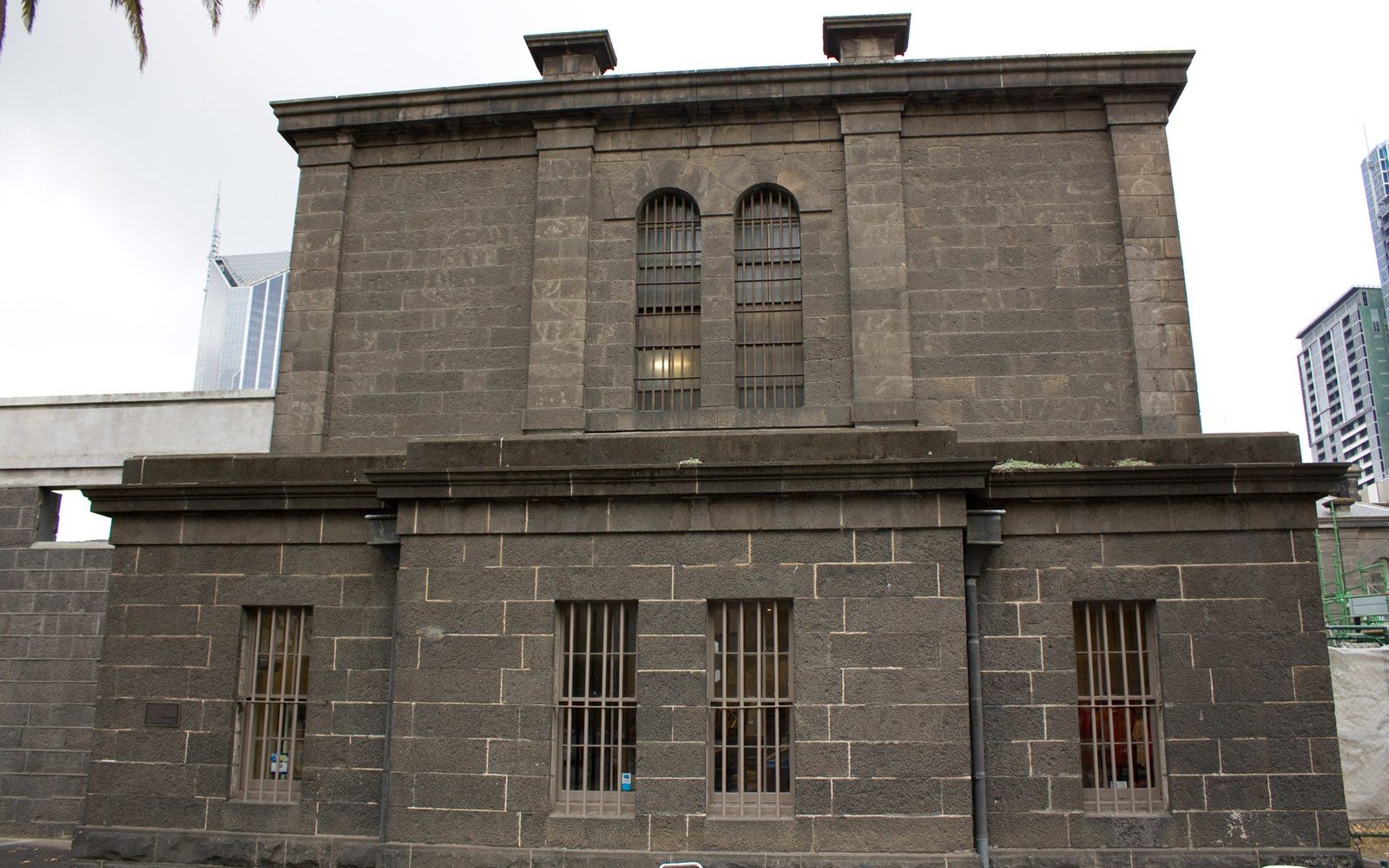
The argument that stuck was tourism. By the mid-1990s, ghost-tour and heritage-tour operations at historic gaols elsewhere in Australia had demonstrated a measurable commercial logic. Old Melbourne Gaol, operated by the National Trust of Australia (Victoria) on Russell Street, was running consistent after-dark programmes and drawing substantial visitor numbers. The Boggo Road advocacy case drew on that precedent: a functioning heritage structure, a contained site, a documented history of confinement and punishment — these were assets in the dark tourism economy, not liabilities.
A Commercial Argument Is Still an Argument
The after-dark programme that developed at Boggo Road positions Division 2 as one of Queensland's more accessible heritage gaol experiences. Tours move through the cell blocks, exercise yards and solitary confinement areas, with guides narrating the documented history of the prison's operation alongside the ghost stories that have accumulated around the site. The pairing is standard across Australia's gaol-tour industry: the verified record of hardship and institutional violence lends the stories a specific weight, regardless of whether those stories survive scrutiny.
What Boggo Road did unusually well was make the commercial case legible to decision-makers before the question was settled. The Queensland Heritage Register listing provided legal standing; the tourism revenue argument provided political cover. Neither alone was sufficient. Together, they produced Division 2's retention while Division 1 came down around it. The asymmetry is worth noting: two buildings, one demolition decision, and the difference between them was partly that one half of the site could be shown to have a credible commercial future.
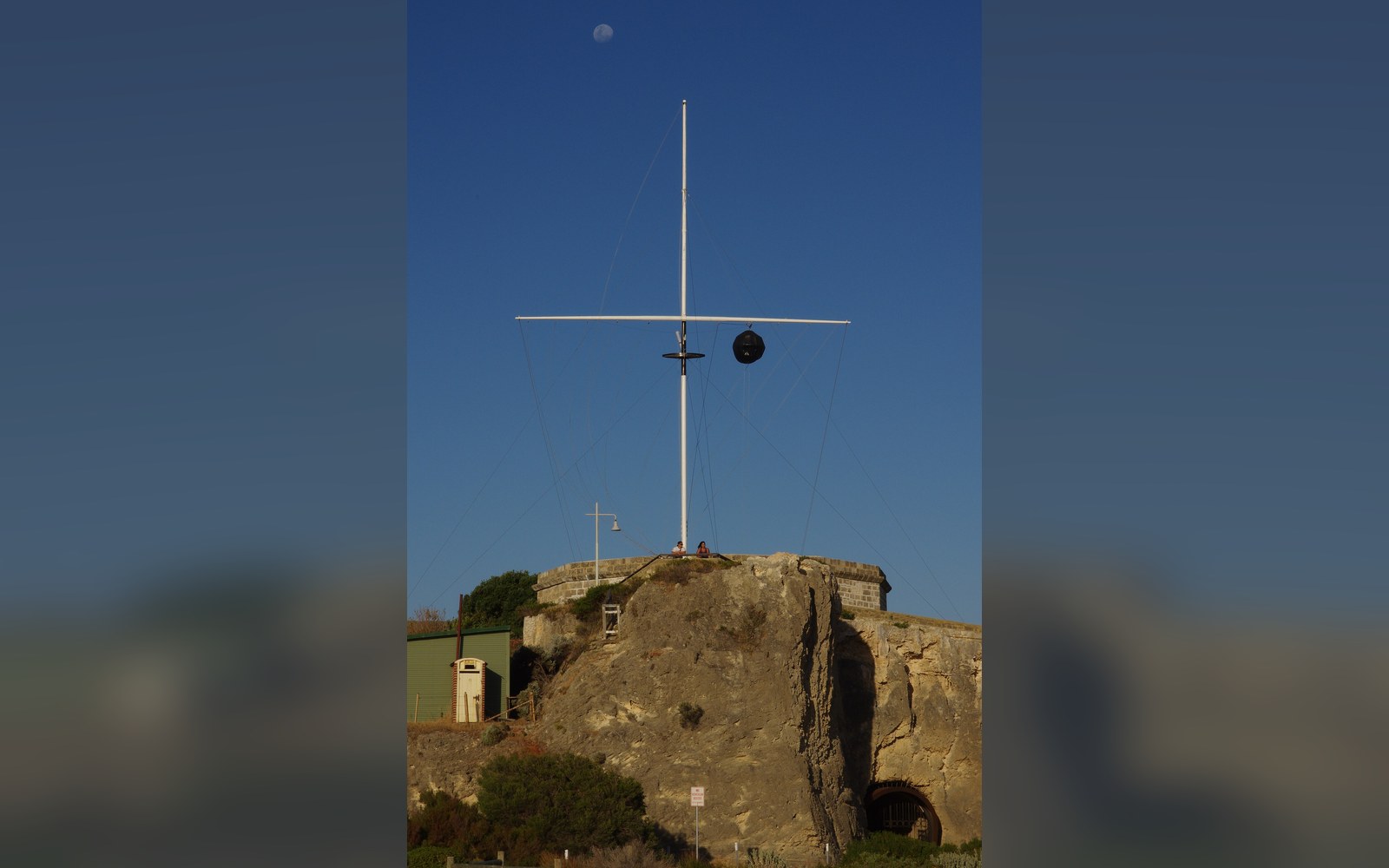
The broader pattern — in which a commercially viable ghost-tour operation becomes part of the heritage case for a building — recurs across Australian jurisdictions. At Geelong, at Ararat, at Fremantle, the after-dark ticket contributes to the financial argument for maintaining structures that are expensive to conserve and generate no other obvious revenue. Dark tourism, as an academic category, was first described systematically by scholars John Lennon and Malcolm Foley; the industry reality in Australia is that it has quietly sustained several buildings that would otherwise have been assessed purely as a maintenance liability.
Boggo Road's current operation is managed through a community-based model, with the Boggo Road Gaol Historical Society playing a central role in programming and advocacy. The historical society's involvement means that the institutional memory of the site — its documented inmate records, its staff histories, its physical evidence of the separate-system era — is maintained alongside the commercial programme rather than subordinated to it. That balance is not automatic at heritage gaol sites, and Boggo Road's management model is closer to Geelong's volunteer structure than to the fully commercialised operations found at some larger sites.
The wrecking ball passed Division 2 by, and the tours are still running. The preservation history and the commercial history are, at this site, effectively the same history.
More in The Gaols